
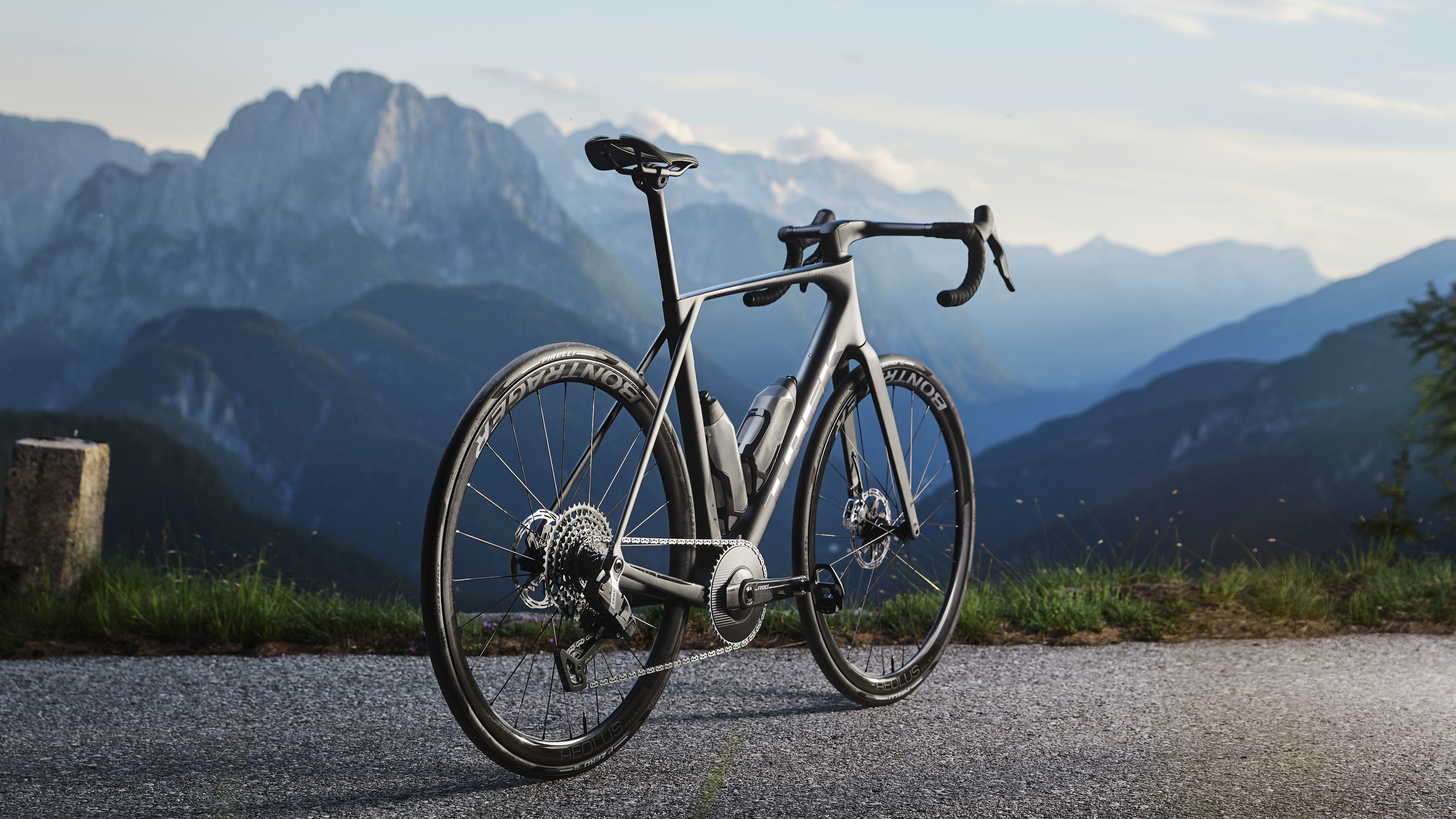
Trek Just Killed IsoSpeed. The Tyres Won.
The new Domane has dropped Trek’s cleverest comfort trick, and that is not a failure. It is the bike industry finally admitting a fat tyre at the right pressure beats a tiny bearing assembly with a service manual.
Trek has done something genuinely interesting with the new fifth-generation Domane. Not by adding another flap, hatch, elastomer, decoupler, slider, widget or small proprietary grief grenade. By deleting one.
The new Domane, launched on 13 August 2026, arrives without IsoSpeed. That matters. The Domane was the bike that made Trek’s comfort tech famous, a cobble-curious endurance machine built around the idea that the frame could be engineered to take the sting out of bad roads. For years, IsoSpeed was the party trick: a decoupled seat tube, bearings, moving parts, promises of smoothness, and plenty for mechanics to mutter about when the assembly got tired, dry or crunchy.
The gimmick did its job. Then the tyre killed it.
Let’s be fair. IsoSpeed was not snake oil. It worked, especially when road bikes were still pretending 25mm tyres at silly pressure were acceptable for humans with spinal columns. The original Domane made sense in that era. It was a bike for cobbles, long days, rough chipseal and riders who wanted speed without being punished like apprentice roof tilers.
But the ground shifted. Disc brakes arrived. Rims got wider. Tubeless became normal rather than a forum argument. Tyres grew from 25 to 28 to 30 to 32, then endurance bikes quietly started looking at 35mm and 40mm rubber like a tradie looking at a bigger ute. Once that happened, the case for a complicated comfort system bolted into the frame began to wobble.
Trek’s new Domane says the quiet part out loud. The Gen 5 bike comes with 35mm tyres, clears up to 40mm, uses a normal 27.2mm round seatpost designed to flex, and drops the downtube storage hatch as well. Trek claims the SLR frameset is 305 grams lighter than the previous version, and says the new bike gets within five per cent of the old model’s vibration performance when comparing a 35mm-tyred new Domane against a 32mm-tyred IsoSpeed bike. Translation: the clever moving bit lost to air volume, rubber casing and a seatpost you can actually understand.
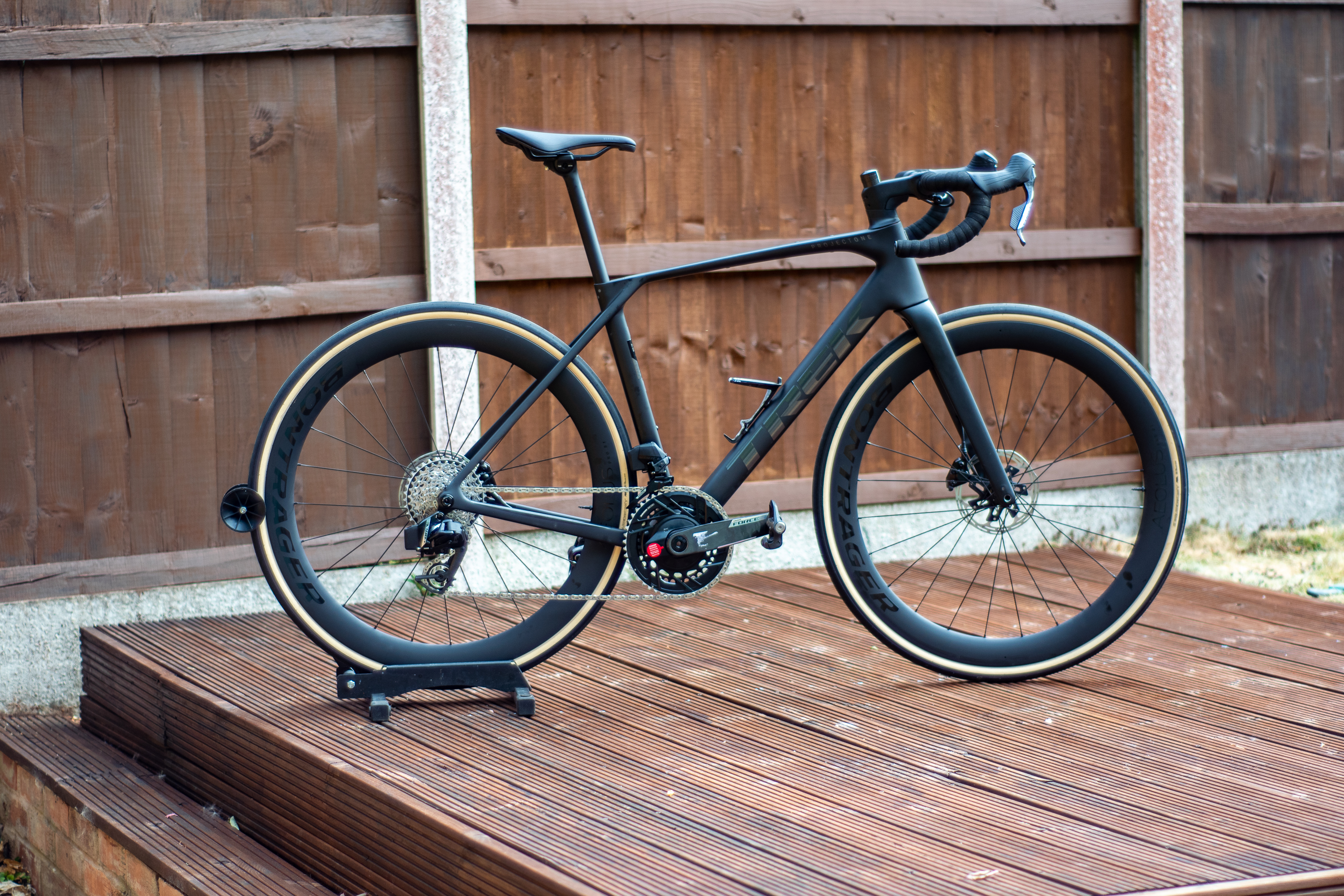
The most radical bike tech of 2026 might be admitting the part was no longer necessary.
This is good news for actual riders, not just spec-sheet tragics
Cyclists love to call simplicity boring, right up until they have to pay for a proprietary bearing, special cover, tiny wedge, frame-specific seat mast, weird bolt or discontinued rubber boot. Then, suddenly, boring looks like wisdom.
Australian riders should be cheering this one. Our roads are not the brochure roads. They are heat-blasted, patched, coarse, sunken, lumpy, chipsealed things that make a 28mm race tyre feel like an HR complaint. If you ride outside the CBD fantasy loop, you already know the best comfort upgrade is not hidden in a seat tube. It is a bigger tyre, a sensible pressure, and a bike that does not fight you for choosing it.
A 40mm-clearance endurance road bike is not a gravel bike, and no, your mate with the moustache and the handlebar bag does not get to claim every bike with clearance as gravel. But 40mm does mean you can run a proper 34 or 35 for broken roads, a fast 32 for bunch rides, or something chunkier if your Saturday loop includes that one goat track everyone pretends is still a road. That is versatility without cosplay.
- Less proprietary comfort hardware to service, corrode or explain.
- More clearance, which gives riders real tuning range instead of marketing mythology.
- A lighter SLR frameset, with Trek claiming 305 grams saved over the old one.
- A normal round 27.2mm seatpost, which is the sort of thing mechanics quietly bless.
- Mounts for mudguards, top tube bags and frame bags, because endurance bikes should be useful, not just agreeable.
The downtube storage deletion is less heroic
I am less thrilled about losing the downtube storage. That little hatch was not pure genius, but it was practical. A tube, plug kit, CO2 and mini tool hidden in the frame is the kind of neat, everyday feature riders actually use. Trek will sell frame bags, naturally, because the industry never misses a chance to remove a thing and then sell you a tidier replacement for the absence.
Still, if the trade is lower weight, fewer holes in the frame and less complication, I can live with it. Especially because the Domane’s job is not to be a rolling kitchen drawer. Its job is to be the road bike you reach for when the route says five hours and the surface says good luck, idiot.
The riser bar will offend people who should stretch more
The new Domane also gets a 20mm riser handlebar, plus shorter stock cranks across the size range: 160mm on XS and S, 165mm on M and ML, and 170mm on L and XL. Some riders will sneer at the bar because they believe suffering in a slammed position is a personality. Let them. Most endurance buyers do not need a fake pro fit, they need hoods they can use after three hours without their neck filing for separation.
The crank move is even better. Shorter cranks are no longer a bike-fit fringe theory. They help a lot of riders open the hip angle, pedal smoothly and stop looking like a folding chair in a crosswind. If more big brands normalise sensible crank lengths, especially on smaller bikes, that is a win for everyone except the bloke at the café who still thinks 175s are mandatory because Eddy Merckx once existed.
This is bigger than one Trek
The important bit is not whether you personally want a Domane. The important bit is that Trek has publicly stepped away from a signature technology because the rest of the bike finally caught up. That is rare. Brands usually cling to named tech until it becomes embarrassing, then rename it and charge extra. Trek has effectively said: wider tyres, better carbon layup and a sensible post can do the job with less mess.
That should make the whole endurance road category nervous. If your bike still sells comfort via a proprietary contraption, you now have to prove it earns its keep. Not with a moody slow-motion video over cobbles. With weight, serviceability, tyre clearance, real pressures and a ride that does not require a dealer login to fix a creak.
There is a broader lesson here for the bike industry after years of over-engineered solutions to problems riders could feel but mechanics had to suffer. Comfort is not dead. Compliance is not marketing fluff. But the best version of it is increasingly boring in the best possible way: volume, pressure, fit, geometry, posts, layup. The stuff that works every ride and does not need a tiny exploded diagram.
So yes, Trek killing IsoSpeed on the Domane is a big deal. Not because IsoSpeed was bad. Because it was good, and still got beaten by simpler thinking. The bike industry should try that more often.