
The UCI Is Rewriting The Bike. Your Dream Build Just Got Nervous.
The Lugano Charter review sounds like paperwork. It is not. It is the rulebook under your carbon frame, your 6.8kg fetish, your gearing choices and half the lies told on bike shop floors.
The most important cycling story this week was not a transfer rumour, not another national federation spreadsheet, not even a prototype derailleur being paraded around Montréal like a handbag at Paris Fashion Week. It was the UCI announcing it will review the Lugano Charter, the 30-year-old rulebook that still tells race bikes what shape they are allowed to be. That sounds dry because governing bodies are allergic to plain English. In reality, it is a live grenade rolled under the superbike market. The UCI confirmed the review during its Montréal Management Committee announcements, with a draft due in early 2027 and consultation with manufacturers to follow. (cyclingnews.com) Καλό.
The bike you worship is a legal compromise
Modern road bikes are not pure expressions of speed. They are negotiations. Every dropped seatstay, truncated aerofoil, flared fork blade, hidden cable and suspiciously thin climbing frame exists inside a fence built by the UCI. The Lugano Charter was adopted in 1996 to stop the machine from overpowering the rider, which was noble enough when carbon bikes still made some people whisper like they had seen witchcraft. But it now props up rules that every serious cyclist knows are creaking, including the double-triangle frame ideal, tube-profile restrictions, geometry limits, rider-position controls and the famous 6.8kg minimum bike weight. (cyclingnews.com)
That 6.8kg number has become cycling’s dumbest sacred cow. It once had a safety argument. Now it mostly gives wealthy riders permission to bolt fishing sinkers onto bikes that engineers could make lighter, safer and probably nicer to ride if the rulebook stopped pretending it was 2003. When a $18,000 road bike can casually flirt with the limit using disc brakes, deep wheels and electronic shifting, the minimum weight is no longer protecting the sport. It is protecting nostalgia with a commissaire’s scale.
This is not liberation. It is a product cycle with a whistle.
Do not be naïve. The industry will sell this as freedom. Finally, designers unleashed. Finally, innovation unshackled. Finally, your next frame can look like a melted track bike and cost the same as a tidy second-hand ute. But the same brands cheering technical committees will also use any rule change to make today’s flagship bikes feel stale by Christmas. That is the game. A rulebook change is not merely a sporting reform, it is a depreciation event.
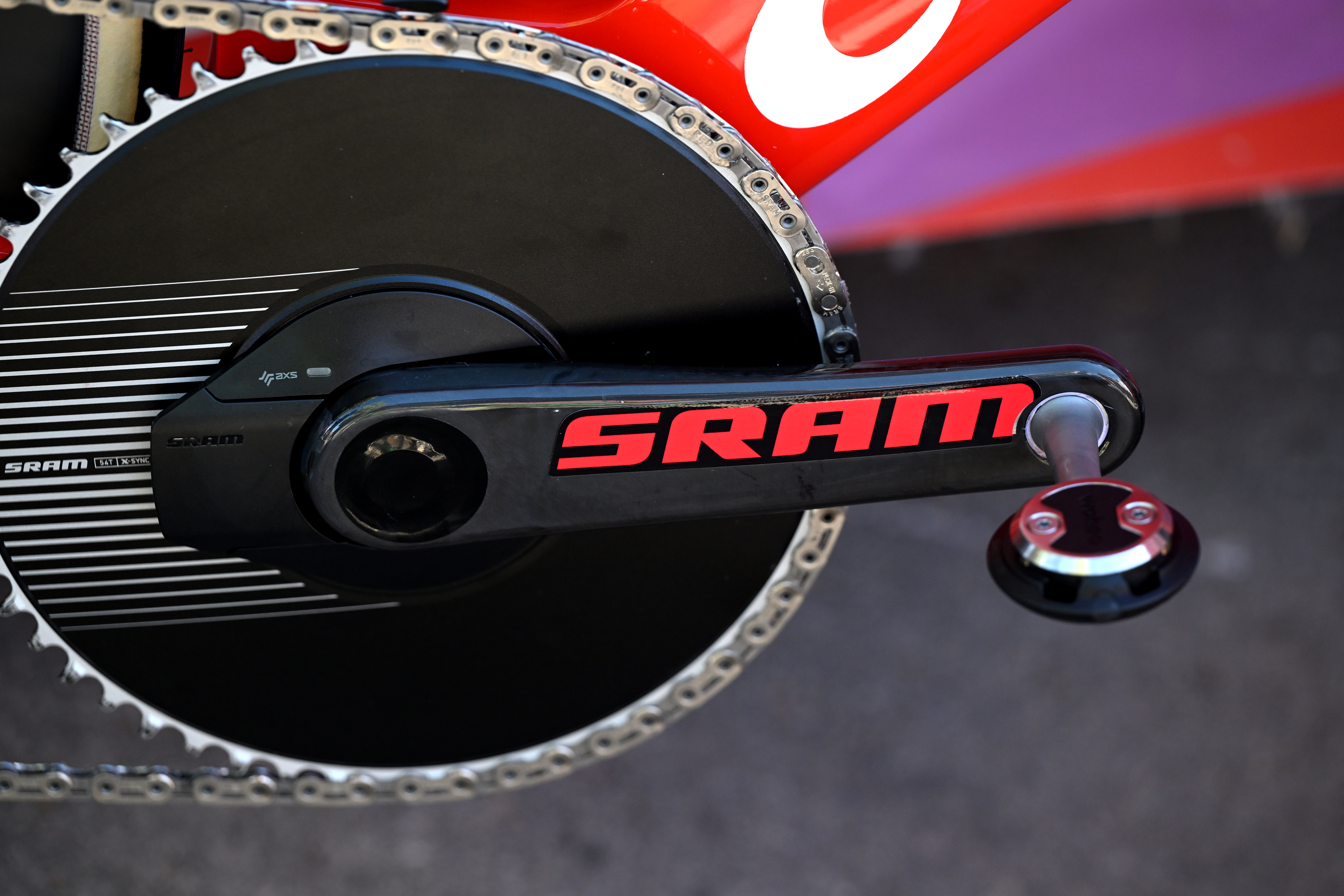
The UCI says it will create technical committees covering areas such as frames, wheels and tyres, rider equipment, protective equipment, and data and technology. On paper, that is sensible. Cycling has spent years producing rules with the grace of someone assembling a press-fit bottom bracket with a brick. The SRAM gearing fight showed what happens when a regulator tries to fix speed and safety by pulling a lever attached to an entire product ecosystem. Consultation is overdue. The danger is that consultation becomes capture, where the biggest brands get the loudest microphones and the smaller builders are left outside holding a torque wrench. (cyclingnews.com)
Australian riders should care before they tap the card
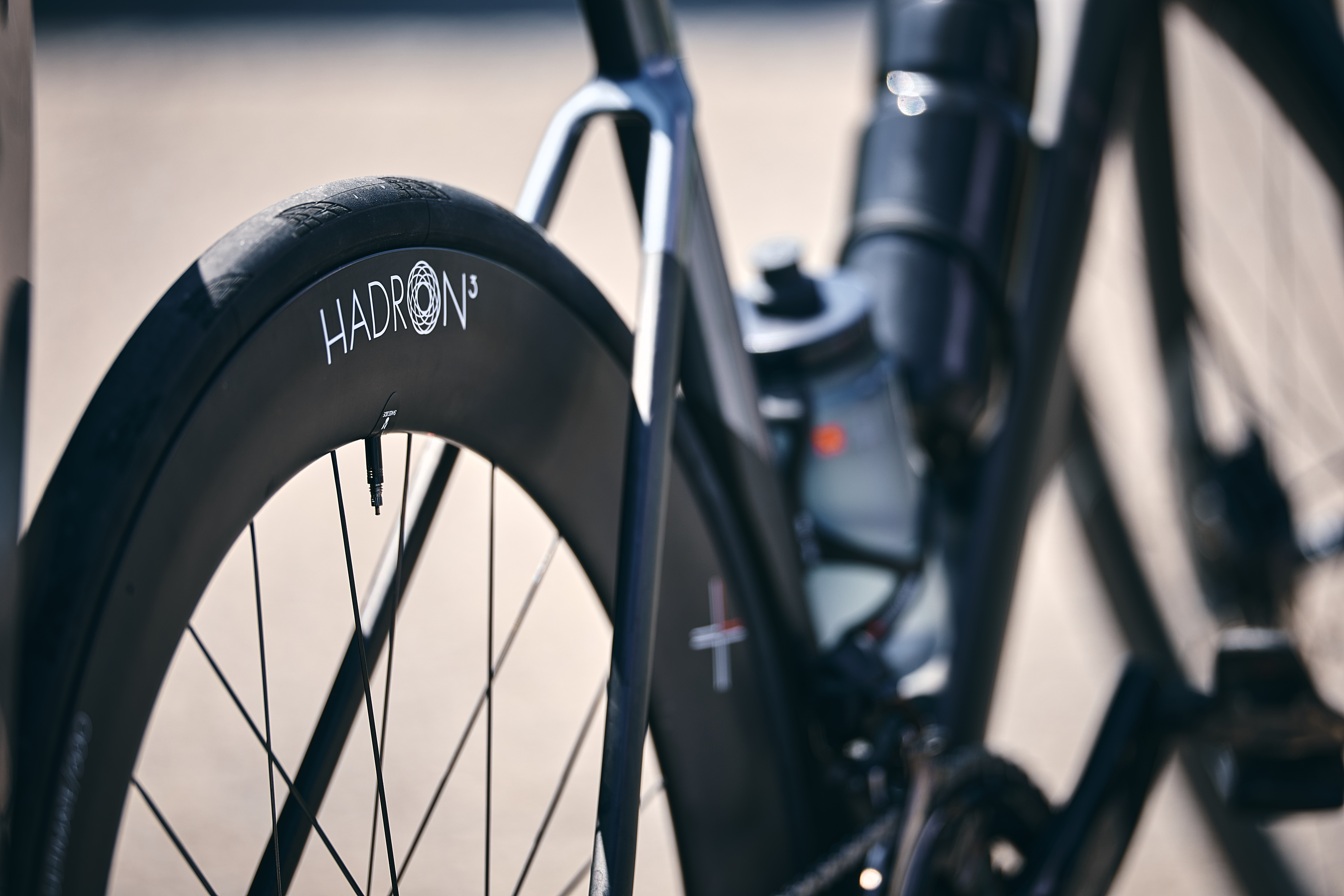
Here is the Australian angle, because it is sitting right there in the showroom. We buy late. We pay more. We wait longer. By the time a European brand’s newest superbike lands properly in Australia, the early hype has often already moved on. Add a major equipment-rule review, and that gleaming floor-stock race bike starts to look less like a forever machine and more like an expensive timestamp.
I am not saying do not buy the bike. I am saying stop pretending the current road platform is the end of history. If you are about to spend five figures on a race bike in spring 2026, ask sharper questions. Is the frame built to the edge of today’s UCI boxes? Is the fork shaped around rules that may tighten? Is the bar width, wheel depth or tyre clearance likely to age well? Is the shop selling you performance, or just the last clean model year before everyone starts muttering about the new charter?
The next dream bike may not be faster because carbon got better. It may be faster because the UCI finally moved the fence.
And before the weight weenies start frothing into their ceramic bearings, no, the answer is not simply abolish every rule and let the richest teams race recumbent missile-bikes down the Poggio. Cycling needs limits. Shared equipment boundaries are part of why a race still looks like a race and not a university engineering expo with calves. But the current boundaries are not holy. They are old. Some are useful. Some are museum ropes.
- Replace the 6.8kg minimum with modern safety and fatigue testing that reflects actual loads, braking forces and road conditions.
- Loosen frame-shape rules enough to allow meaningful aero and comfort gains, without turning mass-start racing into a freak show.
- Separate road, time trial and track design rules more honestly, because pretending they need the same design philosophy is bureaucratic laziness.
- Regulate tyres, wheels and rider positions with evidence, not panic after the latest viral crash clip.
- Make every technical committee publish plain-language reasoning, so riders and shops are not left deciphering rumours from brand reps.
The best rule change would annoy everyone equally
That is how you know it might be right. The UCI should annoy brands that want a free-for-all. It should annoy conservatives who think every legal road bike should look like a 1998 alloy triangle in carbon cosplay. It should annoy teams that want bespoke performance without public scrutiny. It should annoy consumers who believe buying the top model means escaping obsolescence. Sorry, mate. You bought into racing technology. Obsolescence is the subscription you did not notice in the basket.
The upside is real. A smarter charter could give us lighter bikes that are still safe, aero shapes that do not require designers to perform interpretive dance around tube boxes, and wheels and tyres regulated by crash data rather than vibes. It could also help independent experts challenge bad ideas before they become bad rules. The UCI has already been burned by equipment controversies, including gearing restrictions that triggered heavy industry pushback. If this review prevents the next regulatory faceplant, good. (cyclingnews.com)
But let us not clap too early. Cycling’s governing class has a magnificent talent for identifying the correct problem and then solving it with a laminated PDF nobody asked for. The Lugano Charter review matters because it could modernise the bicycle, but also because it will reveal who the UCI thinks the bicycle is for. Is it for riders, mechanics, small builders, race organisers, fans and the kid saving for a first proper road bike? Or is it for global brands that can turn regulatory drift into a product launch calendar?
My position is simple. Rewrite the rulebook, but do it in daylight. Kill the lazy old limits. Keep the sport recognisable. Publish the evidence. And if the result makes a few current superbikes look a bit old, fine. They were always marketing objects as much as machines. The real scandal would be spending another decade pretending a 30-year-old design philosophy is the natural shape of speed.