
Slovenia Built Another Climbing Brat. Australia Should Be Jealous.
Jakob Omrzel just rode off the front at the Vuelta like Grand Tours are a school holiday program. The scary bit is not that Slovenia found another one, it is that this keeps looking less like luck.
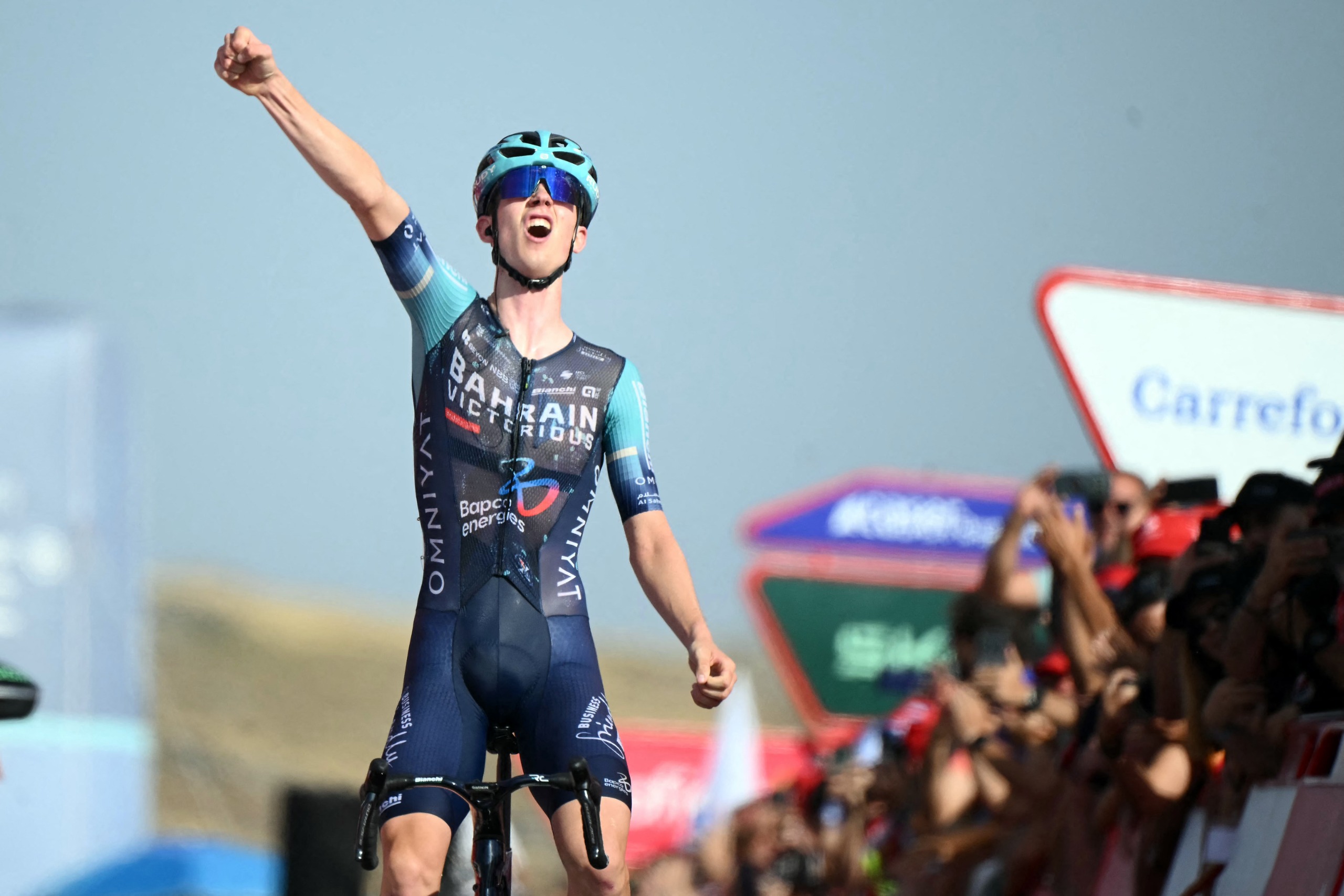
There is a particular humiliation in watching a 20-year-old climb away from grown men on a Grand Tour summit finish. It is not just the legs. It is the manners. Jakob Omrzel did not look like a neo-pro begging for television time on stage 12 of the Vuelta a España. He looked like he had misplaced the rest of the race somewhere down the mountain and was mildly annoyed nobody had kept up.
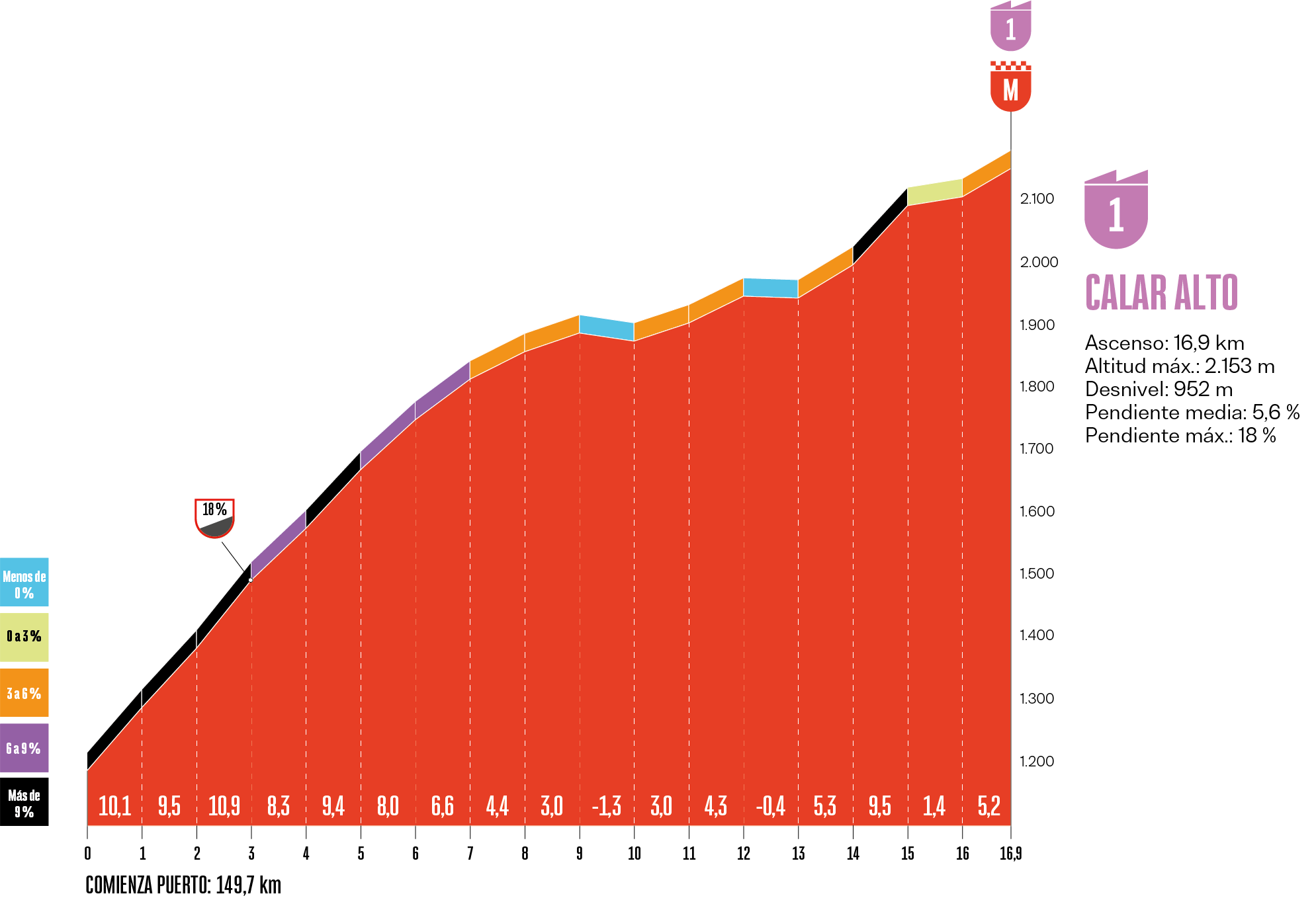
On Thursday, 3 September 2026, the Bahrain Victorious kid from Slovenia won from the break on the 166.6-kilometre stage from Vera to Calar Alto, the highest finish of this Vuelta at 2,153 metres. He went solo with 12 kilometres still to climb and beat Urko Berrade by 1 minute 56 seconds. His teammate Santiago Buitrago was third at 2 minutes 13 seconds. Behind them, Enric Mas did his red jersey business and padded his lead, but the day belonged to the rider who made everyone older than 25 look like they were still booting up their head units.
This was not a cute breakaway win
Do not file Omrzel under opportunist. That is what people say when a young rider wins and the sport cannot process the insult quickly enough. This was not a lad sneaking up the road while the favourites played poker. Bahrain had numbers in the move, the stage had 4,568 metres of climbing, Calar Alto is not a decorative bump, and Omrzel began the day already close enough on general classification that giving him rope was less tactics than negligence.
By the finish he had moved to sixth overall, 4 minutes 59 seconds off Mas. That is the bit that should make directors spill espresso over their laminated race plans. A debutant did not just win a mountain stage, he dragged himself into the top ten of a Grand Tour while the established hierarchy tried to remember where it left the remote control.
I know how much work I put in.
That was the line from Omrzel afterwards, and it is more revealing than the usual finish-line soup about dreams and teams and believing. Young riders used to sound surprised when they hit the WorldTour and found out everyone was hard. Now they arrive with altitude blocks, development teams, nutrition plans, power files, race craft and the dead-eyed calm of someone who has been treated like a professional since most Australian juniors were still arguing with Mum about getting a lift to the crit.
The Pogačar comparison is lazy. The Slovenian question is not.
Of course everyone will reach for the Pogačar template. Slovenian, absurdly young, winning at the Vuelta, climbing like gravity signed an NDA. Fine. Cycling loves a photocopier narrative. But the useful question is not whether Omrzel is the next Tadej Pogačar. The useful question is why Slovenia, a country with a population smaller than greater Brisbane, keeps producing riders who enter the top level looking pre-installed.
Omrzel was born on 21 March 2006. He won the 2025 Giro Next Gen, the big under-23 stage race, after overturning Australian Luke Tuckwell on the final day by 12 seconds. That result looked brutal at the time. In hindsight it looks like a warning label. One year later, Omrzel is winning on Calar Alto and Tuckwell is also at this Vuelta with Red Bull-Bora-Hansgrohe, doing the less glamorous, equally real work of surviving his first Grand Tour and learning how to serve a leader in a race that eats reputations for breakfast.
That is the Australian sting. We are not absent from this story. We are right there in the footnotes, close enough to feel the heat, not yet close enough to own the headline. Tuckwell is a serious climber with a proper European hardening behind him. Jay Vine has already shown Australia can produce riders who climb, time trial and suffer in ways that make sense at Grand Tour level. But Slovenia’s current trick is not merely producing talent. It is producing belief at industrial speed.
Australia cannot barbecue its way into this era
This is where Australian cycling needs to stop hiding behind climate, distance and the old pathway fairy tale. Yes, Europe is far. Yes, our domestic calendar has gaps you could drive a team bus through. Yes, kids here have to choose between track, road, MTB, gravel, school, work and whether the local club can still find enough volunteers to run traffic control. All true. Also not good enough.
The modern Grand Tour rider is not discovered at 23 because someone noticed he could rip turns at a Tuesday-night bunchie. He is built, monitored, raced, corrected and protected from well before that. Sometimes that sounds ugly because cycling people like pretending romance beats structure. It does not. Romance gets you a good story in the car park. Structure gets you a 20-year-old winning above 2,100 metres while half the peloton looks cooked like servo dim sims.
- Development teams are no longer holding pens, they are weapons factories.
- The best under-23 races are now auditions for immediate Grand Tour relevance.
- Teams that wait until riders are polished are already late.
- Australia’s next climber cannot spend three years stranded between promise and paperwork.
- The old apprenticeship model is dead, even if some directors still talk like it is 2009.
Bahrain played this beautifully
Give Bahrain Victorious credit. They did not treat Omrzel like a museum piece. They put him in the race, put support around him, and let the stage breathe. Pello Bilbao, Buitrago and Omrzel in the break was not chaos, it was leverage. Buitrago chased mountains points, Omrzel became a GC grenade, and by the time the favourites realised the young bloke was not fading, the climb was already doing the paperwork.
That is the part other teams should hate. Omrzel did not win because everyone ignored him. He won because Bahrain gave the race a problem with more than one answer. If you chase, you tow Mas and spend domestiques. If you wait, the kid goes into orbit. This is what good tactics look like when they are married to actual legs, not just a sports director shouting numbers through a crackly radio.
Meanwhile, the favourites’ group did the usual late-Grand-Tour ritual. Gall went. Mas countered. Roglič measured damage. Carapaz hovered. Onley, after an early crash, bled time and clung to white by half a minute over Omrzel. All of that mattered for the podium. None of it had the electricity of the winner, because we have seen older contenders trade half-minutes before. What we had not seen, at least not this week, was another Slovenian boy-prince casually rewriting the sport’s age assumptions.
Stop calling it a miracle
Cycling has a bad habit of calling systems miracles once they start beating us. Belgium does not produce cobbled racers by miracle. The Netherlands does not produce women’s champions by accident. Britain did not dominate the track because someone found a golden stopwatch under the velodrome. Slovenia’s run at the top of men’s road cycling is not just folklore and good hills. It is a culture that now believes the top step is available, not mythical.
That matters. A Slovenian teenager does not grow up thinking a Grand Tour win belongs to somebody from France, Spain, Italy, Belgium or whatever super-team currently owns the hotel buffet. He has Pogačar and Roglič as proof of concept. Now Omrzel has added another receipt. The psychological barrier is gone, and once that disappears, the rest is watts, opportunity and ruthless selection.
Australia should be jealous, not defensive. We have riders tough enough. We have terrain hard enough. We have coaches smart enough. What we do not have, consistently enough, is a pathway that treats a freakish 18-year-old climber like a future Grand Tour actor rather than a logistical inconvenience. Too often, our best kids still need family money, European couch surfing, private grit and a tolerance for uncertainty that would make a venture capitalist blush.
Omrzel’s Calar Alto win should sting because it was not science fiction. It was the foreseeable result of the new cycling economy. Talent is identified earlier, signed earlier, trained harder, raced smarter and promoted faster. If that makes you uncomfortable, good. The peloton is not waiting for anyone to feel emotionally ready.
The Vuelta still belongs to Mas for now. Roglič is still close enough to make everyone nervous. Gall and Carapaz are still alive. But stage 12 gave us the stronger signal. The next generation is not knocking. It has taken the door off the hinges, ridden up Calar Alto with it under one arm, and asked why the rest of us are breathing so loudly.