
Cube Just Put The Superbike Tax On Notice
The new 2027 Cube Litening Aero C:68X is not cheap. That is exactly why the rest of the superbike market should be sweating.
Cube has just done something rude. It has launched a 2027 aero race bike that looks like a WorldTour machine, claims the usual wind-cheating improvements, accepts sensible modern tyres, comes with proper race kit, and then refuses to wear the full silly-season price tag. The 2027 Litening Aero C:68X is not a budget bike. Nobody with rent, kids, a mortgage or a half-functioning conscience should call a £4,999 to £7,499 race bike affordable. But in the warped supermarket aisle of modern superbikes, Cube has walked in, checked the price labels, and quietly asked why everyone else is charging like the frame was blessed by Merckx under a full moon.
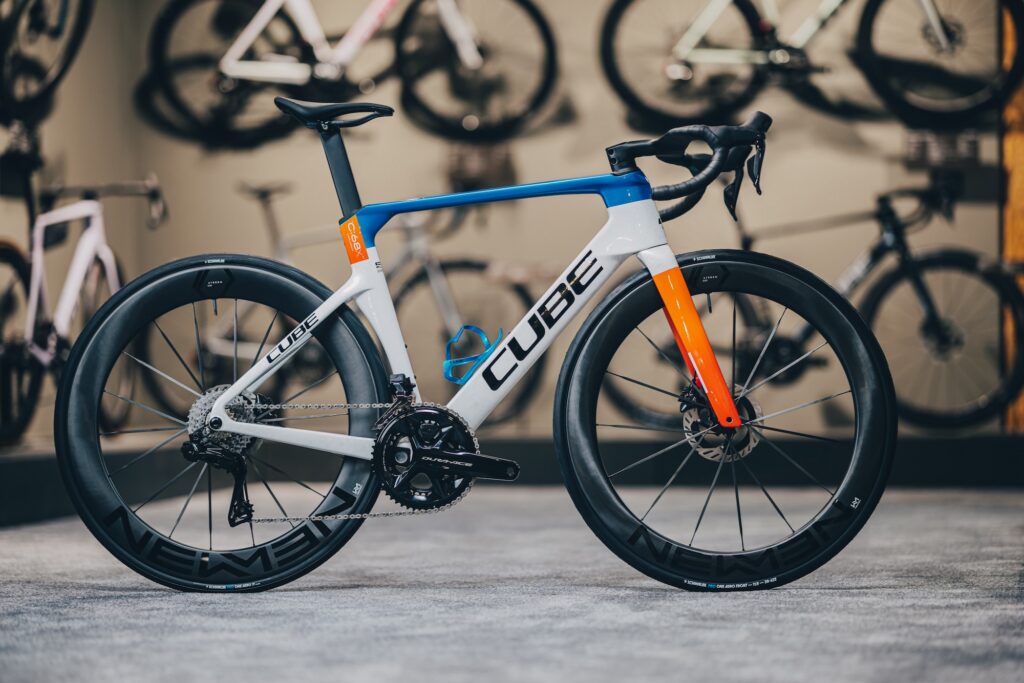
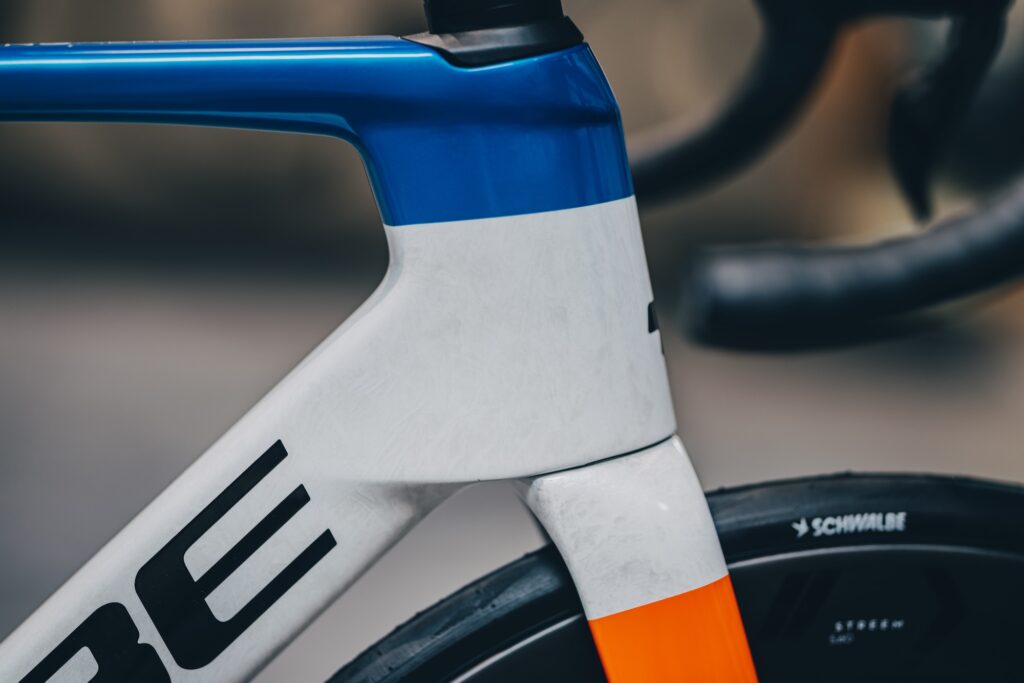
The headline bike is the Litening Aero C:68X SLT Teamline, listed by Cube in the UK at £7,499 with Shimano Dura-Ace Di2, a dual-sided 4iiii power meter, Newmen Streem Aero/Sprint 60/66 Vonoa carbon wheels, Schwalbe Pro One Aero tyres and a claimed 7.1kg weight. Cube says the new frame and fork are around 150g lighter than before, with drag reduced by up to 6 watts. Road.cc reports that the claimed aero saving is 6.2 watts at 45km/h. It also gets clearance for 34mm tyres, a redesigned aero seatpost claimed to be 10 percent more comfortable, UDH at the rear, and sizing up to 62cm. In other words, this is not some catalogue frame wearing nice lipstick. It is a serious race bike with a spec sheet that does not immediately trigger a dealer-upgrade invoice.
The superbike tax has become a joke
For years, premium road brands have trained cyclists to accept a miserable bargain: pay five figures, then start apologising for the wheels, the cockpit, the tyres, the saddle, the bottom bracket, or the missing power meter. It is the cycling equivalent of buying a restaurant steak and being told the plate is extra. We have normalised complete bikes that are not complete, aero bikes that are too fussy to live with, and halo models priced less like sporting equipment and more like dentist bait.
Cube is not innocent. No major brand is. It still says all the familiar things about CFD, wind tunnels, carbon lay-up and anatomical speed, which sounds like a German engineer wrote a love letter to a spreadsheet. But the difference here is that the claims are attached to a build that makes sense. The Pro and Race models start at £4,999, one with SRAM Force AXS and the other with Shimano Ultegra Di2. The Orbit brings SRAM Red XPLR AXS 1x 13-speed and a claimed 6.9kg weight at £6,999. The SLX and SLT sit at £7,499 with SRAM Red 2x or Dura-Ace Di2. Every Litening Aero C:68X model gets a power meter and Newmen carbon wheels. That last sentence is the one some brands should print out and tape to the coffee machine.
If your five-figure superbike still arrives with apology wheels and no power meter, the problem is not inflation. The problem is nerve.
Australia should pay attention, because we get hosed on halo bikes
The Australian angle is not hard to find. We live in a market where exchange rates, shipping, distribution layers and tiny volume turn high-end road bikes into fiscal comedy. Trek’s Australian site currently lists the Madone SLR 9 AXS Gen 8 at $14,999.99, and the Madone SLR 9 Gen 8 at $18,999.99. Meanwhile, Australian retailers have been clearing current Cube Litening Aero C:68X SLT stock around the $8,999 mark. That is not a perfect apples-for-apples comparison, and the new 2027 Cube’s local price is not settled in the sources I found. But it does underline the point: prestige pricing has become so inflated that a Dura-Ace aero race bike under ten grand no longer looks mid-tier. It looks like a mugging victim who escaped.
The real story is not cheapness. It is completeness.
Cyclists are not stupid, despite what some product managers seem to believe. We know superbikes cost money to design and manufacture. We know sponsored teams are not paid in exposure and bidon lids. We know carbon moulds, testing, paint, compliance and warranty all cost real dollars. What annoys riders is not the existence of expensive bikes. It is expensive bikes that feel deliberately unfinished.
- A top model with Dura-Ace Di2, carbon wheels and a power meter as standard.
- 34mm tyre clearance, which recognises that modern fast tyres are not 23mm punishment devices.
- UDH, because proprietary hangers are the cockroaches of the parts bin.
- A 62cm size, because tall riders should not have to choose between performance and looking like a circus bear on a tricycle.
- A 1x aero option, the Orbit, for riders who would rather argue about chainlines than front derailleurs.
That does not mean I am ready to crown it before anyone has properly ridden it. Cube’s own claims still need independent testing. The real-world story will be handling in crosswinds, parts availability, headset and cable-routing sanity, seatpost reliability, warranty support, and whether those Newmen wheels are delightful speed tools or another proprietary ritual involving special bits, swearing and a dead Saturday. The previous generation’s hidden-valve wheel setup drew workshop grumbles in testing circles. A bike can win a spreadsheet and still lose the home-mechanic vote.
This is what post-boom value pressure looks like
The bike industry is still nursing the hangover from the pandemic gold rush. Warehouses filled, discounts got savage, distributors blinked, and customers discovered that last year’s dream bike rides disturbingly like this year’s dream bike. That has changed the mood. Riders still want fast things, but the blank-cheque era feels brittle. A brand launching a lighter, faster aero bike with proper equipment and aggressive pricing in August 2026 is not just releasing product. It is reading the room.
This is why the Litening matters. Not because it will suddenly make superbikes democratic. It will not. A working rider still has every right to laugh at the phrase value when the number starts with seven thousand pounds. But Cube is attacking the lazy middle of the high-end market, the zone where brands hide behind badge equity while fitting parts that belong one rung lower. That is good for riders, good for bike shops that need honest selling points, and bad for brands that think a famous downtube logo is still worth three grand by itself.
The best bike is still the one that fits, gets ridden, and does not financially kneecap you. But if you are shopping at the sharp end, Cube has made the question nastier. Why pay more for less? The peloton café answer used to be easy: because it says the right name on the side. In 2026, that answer is starting to sound thin. Cube has not killed the superbike tax. But it has put a bright Teamline-coloured invoice on the table, and a few prestige brands should be sweating into their integrated cockpits.