
America Brought A Team. Australia Brought A Sprint.
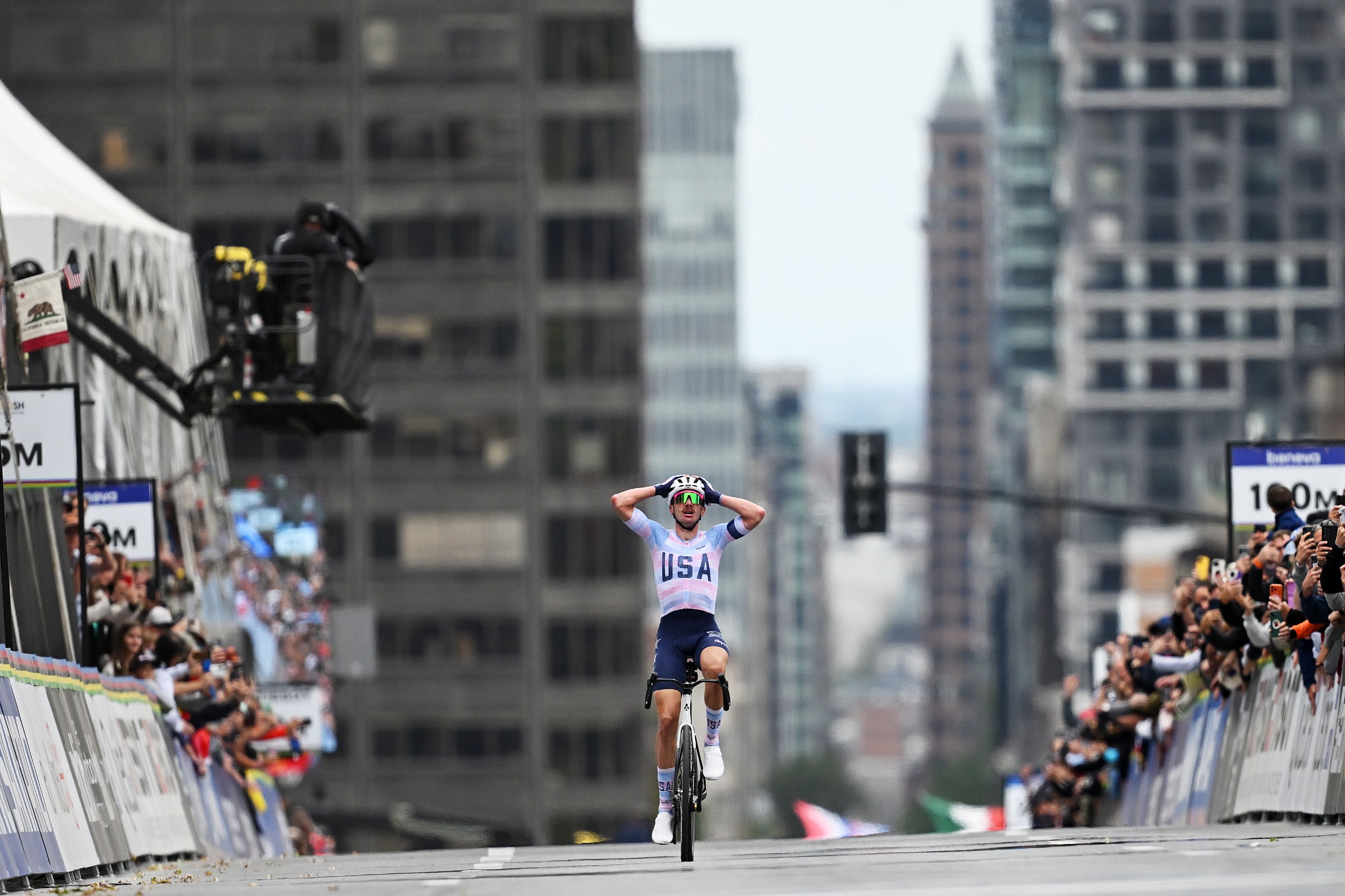
Brandon McNulty did not steal the rainbow jersey in Montréal. The USA built the robbery, guarded the getaway car, and left Michael Matthews to win the sprint for what was already gone.
There is a cruel little lesson in Michael Matthews winning silver at the 2026 men’s road world championships. It is this: being the quickest man left is not the same as being in the winning race.
Brandon McNulty’s rainbow jersey in Montréal was a shock if you only read cycling as a list of favourites. It was not a shock if you watched the final hour with your eyes open. The American did not simply attack from about 32 kilometres out and hope the gods of lactate would smile. He attacked after the USA had spent the day turning a one-day race into a national project. Quinn Simmons was up the road. Matteo Jorgenson lit the fuse. McNulty went when the favourites had just enough ego, fatigue and tactical poison in their legs to look at each other instead of chase.
This was not a miracle. It was a mugging.
McNulty called it the sort of day where miracles happen, and fair enough, he had just ridden the last chunk of a 273-kilometre world championship looking like a man trying to defuse a bomb with a heart-rate strap. But cycling loves to hide good tactics behind romance. The better reading is simpler and nastier: the USA raced like a proper Worlds team, while the traditional powers kept waiting for someone more famous to solve the problem.
Tadej Pogacar was not there after his Vuelta crash, which removed the sport’s usual cheat code. Remco Evenepoel already had his time trial rainbow and could not turn the road race into another private appointment with history. Mathieu van der Poel rode like Mathieu van der Poel, which is to say violently, generously and occasionally as if physics owed him rent. Isaac del Toro, Paul Seixas, Tom Pidcock, Ben Healy, Primoz Roglic and the rest gave the race names. The USA gave it structure.
A Worlds road race is not a Tour stage in national kit. It is a hostage negotiation conducted at threshold.
That is what made Matthews’ silver so Australian it almost hurt. Bling was there, again, in a race that suited his strange and underrated gift: suffering all day, surviving the thinning, then still having the nerve and timing to sprint when everyone else is tasting batteries. Second place behind McNulty, ahead of Van der Poel, is not a consolation trinket. It is one of the best elite men’s Worlds results Australia has produced in years, from a rider whose career has been bizarrely easy to under-appreciate because he has spent so much of it being very good rather than mythological.
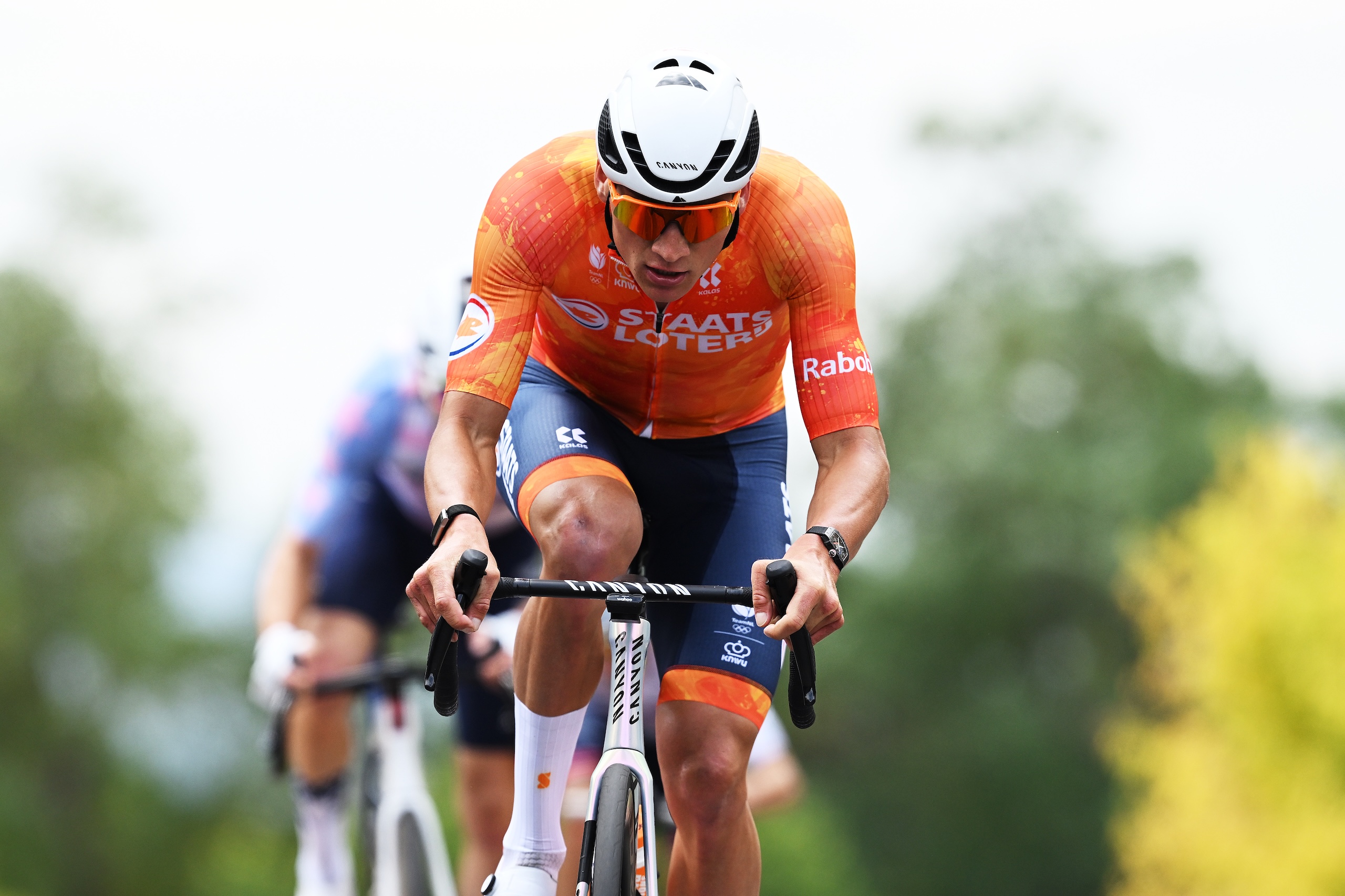
Matthews did nearly everything right. The race had already moved.
There is no shame in silver here. There is, however, a warning. Australia keeps producing riders who can finish races, read races, survive races and occasionally light them up. What it does not consistently produce at elite Worlds level is the collective menace that makes rivals react before the medal move even goes. The USA put three riders in the top eight. That matters. Not because top-ten lists win jerseys, but because numbers change psychology. One American up the road is bait. Two Americans in the chase is a headache. Three Americans in the final is a system.
Australia, too often, treats the elite men’s road race like a closing argument for its most durable finisher. Get Matthews there. Hope the climbs do not quite kill him. Hope the favourites cancel each other. Hope the sprint is for gold. That nearly worked in Montréal, which is precisely why it is dangerous. Nearly working is the most seductive drug in cycling. It makes federations believe the plan was sound, rather than merely close enough to hurt.
- A world championship is still one of the few races where national depth can beat superstar gravity.
- McNulty’s win was not anti-star racing. It was what happens when the stars hesitate and the domestiques have ambition.
- Matthews remains one of Australia’s finest championship racers, and pretending otherwise is café-table nonsense.
- Silver is brilliant, but if the winning move leaves without you, the sprint only decides the apology.
- The Pogacar era has made everyone tactically lazy. Montréal punished that.
The Americans just won the old-fashioned way
There is something deliciously unfashionable about McNulty winning this way. Not with a lab-optimised teleportation attack from the biggest favourite. Not with a Netflix-friendly redemption arc. Not with a brand campaign about marginal gains and a limited-edition rainbow frameset already waiting under a sheet. He won because his team kept turning the screw until the race lost its shape, then he rode away while better-known men negotiated with each other.
This is the bit road cycling forgets whenever it becomes obsessed with generational talent. A one-day race is not simply a watts contest. It is traffic, nerve, status, bluffing, refusal, and the weird animal behaviour of exhausted champions. If Van der Poel chases, he drags Matthews. If Matthews chases, he burns the sprint. If Evenepoel chases, everyone sits on. If Del Toro chases, he gifts the old guard a tow. McNulty did not need every rival to make the wrong choice. He needed each of them to find one excellent reason not to make the right one.
Australia should be proud. Then annoyed.
The easy column is to salute Matthews, run the podium photo, and call it a mighty ride. It was. The harder and more useful column is to ask why Australia’s best men’s Worlds days still feel like heroic salvage operations. We have the talent. We have the history. We have riders who can survive ugly courses and handle pressure. What we lack, too often, is the sight of green and gold dictating the race before the last lap turns into a lottery.
That does not mean copying the USA exactly. Australia is not America, and thank God, because our bunch rides are already full of enough blokes narrating their own greatness. But it does mean taking national team road racing seriously as a craft, not just a selection spreadsheet with passports attached. Worlds rewards nations that arrive with roles, redundancy and the courage to spend riders before the television audience understands why.
McNulty will spend the next year in rainbow bands, which will look strange and probably excellent on a rider still better known to casual fans as one of Pogacar’s high-grade helpers. Matthews will carry another almost, although silver at this level deserves more respect than that ugly little word. The bigger lesson sits between them. Montréal did not prove Australia is far away. It proved the final step is not a faster sprint. It is owning the race before the sprint exists.
America brought a team and left with the jersey. Australia brought a finisher and left with proof he is still world-class. One is a result. The other is a plan. We should know the difference by now.