

Wiggle Died Quietly. The Bike Shop Didn't Win.
Wiggle and Chain Reaction disappearing into Evans is not a victory for the local bike shop. It is a warning that cheap chains, private equity, zombie brands and confused riders have all been eating from the same carcass.
There are deaths in cycling that come with sirens. A snapped collarbone on live television. A team bus leaving a race before the commissaires have finished pretending they are in charge. Then there is the quiet kind, where a website that once ate half the market simply stops being itself.
That is where Wiggle and Chain Reaction Cycles now sit. As of last week, riders trying to shop the old Wiggle and CRC sites were being sent to Evans Cycles. Not a tasteful retirement lap, not a museum page with orange branding and dhb nostalgia, just the retail equivalent of being told your favourite mechanic now works inside a supermarket aisle next to football boots.
Do not call this a win for local bike shops
The lazy take is obvious. Wiggle is gone, therefore the local bike shop has been vindicated. Mechanics in aprons will rejoice. Headsets will be pressed with solemn dignity. A man called Dave will finally sell bar tape at full margin again. Lovely story. Also nonsense.
Wiggle did not lose because everyone rediscovered the romance of the Saturday morning shop visit. It lost because the pandemic boom left the industry bloated, discounting became a self-harm ritual, and consolidation turned once-useful retailers into spreadsheet assets. WiggleCRC went into administration in October 2023 after parent company SSU collapsed, with millions owed to hundreds of creditors. Frasers Group picked up the remains in 2024 for a sum reported at a tiny fraction of the company’s old valuation, then relaunched the brands beside Evans before apparently folding the whole thing back into one shopfront.
The old internet bargain machine did not die because it was too cheap. It died because cycling taught customers to believe everything should be cheap forever.
That distinction matters, especially in Australia, where riders have been trained for years to price-check a cassette against three overseas tabs before asking the local shop to fit it urgently on Friday afternoon. We are very good at moralising about supporting local, usually while hunting a discount code in another browser window.
The bargain was always uglier than the checkout page
Wiggle and CRC were not villains. They were useful. If you rode through the 2010s, they probably saved you money, rescued a build with obscure parts, or delivered tyres faster than your distributor could spell tubeless. Chain Reaction in particular was a lifeline for mountain bikers and home mechanics who needed bearings, rotors and weird adaptors without a lecture.
But the whole model also taught riders a corrosive lesson: service and stock are separate things. Buy the bits from the cheapest warehouse, then lean on the local shop for the messy human stuff. Diagnosis. Warranty advice. Facing tabs. Chasing noises. The ten-minute favour that becomes forty minutes because your bargain wheels came with end caps designed by a bored goblin.
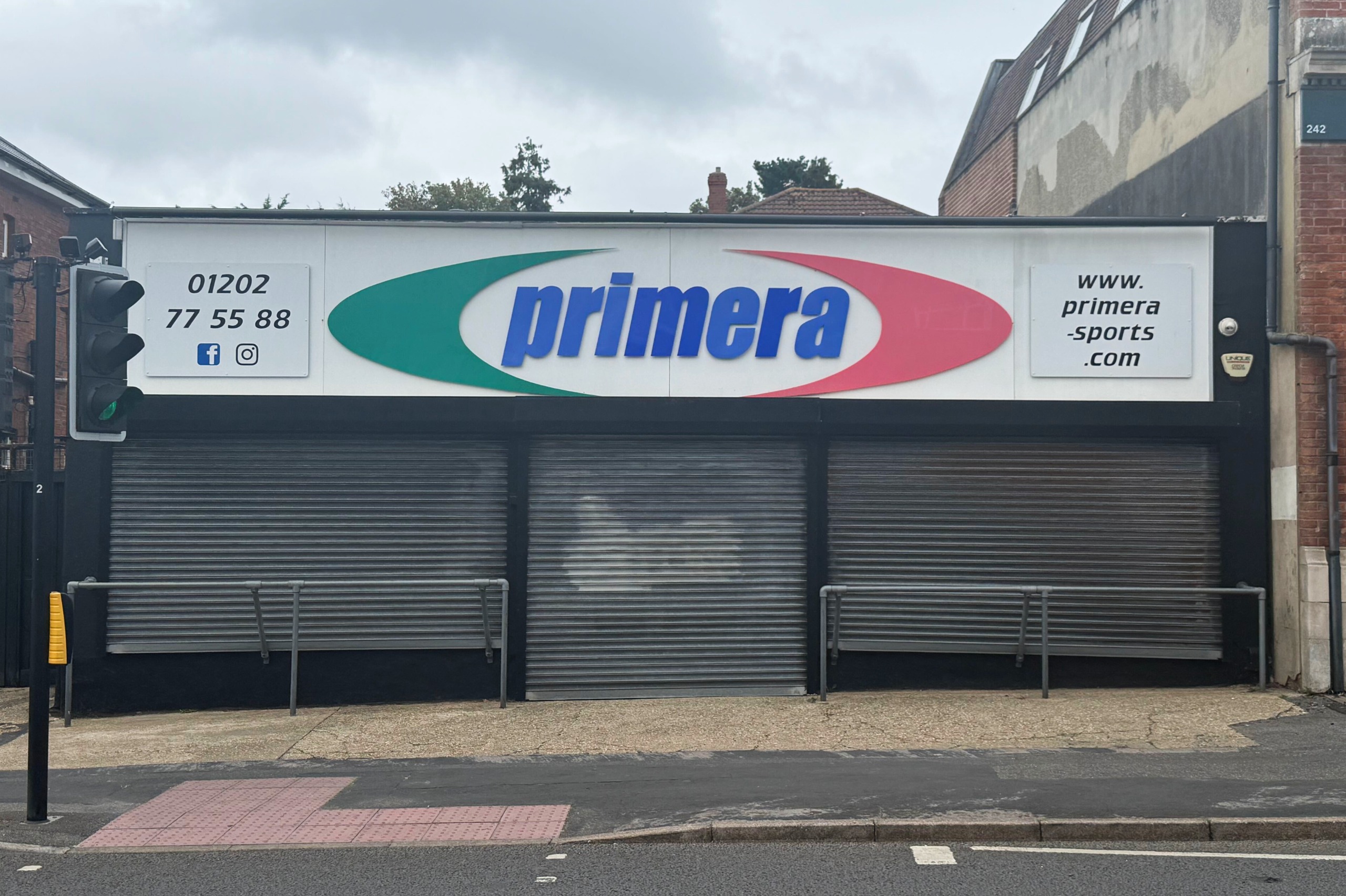
The sick joke is that the physical shop is not exactly skipping through spring either. In Britain, Primera Sports in Bournemouth has just gone into liquidation after 34 years, with customers reportedly caught in the mess of unfulfilled deposits and closed doors. In France, Lapierre has been dragged into court-ordered restructuring by the troubles of Accell, a group that once looked like the adult in the room and now looks like another pandemic hangover with invoices attached.
So no, Wiggle disappearing does not prove the local shop has won. It proves everyone is tired. The warehouses are tired. The brands are tired. The distributors are tired. The shops are tired. The customers are tired of being told a mid-tier road bike costs more than their first car, then seeing it marked down 37 percent six months later with a free helmet and the desperate smell of overstock.
Australia should pay attention before it copies the failure
Australia is not Britain, but we share the disease: long supply chains, expensive freight, thin workshop capacity, a small high-end road market that thinks it is bigger than it is, and a commuter e-bike market growing faster than regulation, insurance and workshop skills can comfortably handle.
Bicycle Industries Australia has been pushing a national retail data project because, unbelievably, this country still talks about bike demand with the confidence of a bloke guessing tyre pressure by thumb. At the same time, e-bike forecasts around Australia have been pointing towards roughly 250,000 to 300,000 annual sales and a market flirting with the billion-dollar mark. That sounds like a boom. It can also become a very expensive mess if shops are expected to service mystery batteries, online-only cargo rigs and throttled delivery bikes with no margin in the original sale.
Here is the uncomfortable bit for riders: if you want a functioning bike culture, someone has to pay for competence. Not branding. Not influencer dust. Competence. The person who knows whether your creak is a press-fit bottom bracket, a dry thru-axle, a cracked rim bed, or your own refusal to use a torque wrench.
- If you buy online, budget honestly for fitting, tools and service. Your local shop is not a free returns department for global retail.
- If a shop gives proper advice, pay them before they disappear and you are left with a chatbot and a seized seatpost.
- If a brand sells direct, it should publish spare parts availability, workshop documentation and Australian support terms like an adult.
- If a marketplace wants trust, it should reward honest condition, service history and proper photos, not just the lowest number on the screen.
- If the industry wants new riders, it has to stop making every purchase feel like a trap.
The future is smaller, smarter and less romantic
The bike trade spent a decade pretending scale would fix everything. Bigger warehouses. Bigger ranges. Bigger private equity ambitions. Bigger launch calendars. Meanwhile the actual rider still needed the same things: a bike that fits, parts that exist, repairs that do not require a blood sacrifice, and prices that do not insult their intelligence.
The post-Wiggle world should not be a return to dusty gatekeeping shops that sneer at commuters and women and anyone who does not know the Italian pronunciation of Campagnolo. Spare us that museum piece. The good shop of the future will be part workshop, part fitting studio, part trusted used-bike broker, part e-bike triage centre, and part community noticeboard. It will sell fewer fantasy upgrades and more confidence.
And the good online retailer will not just be a pile of discounted derailleurs with a search bar. It will need service partnerships, transparent warranty handling, spare parts discipline and enough humility to admit a bicycle is not a phone case. It is a machine that carries people through traffic, rain, descents and bad decisions.
The corpse is pointing at us
Wiggle’s apparent disappearance as a standalone name feels personal because it was personal. Plenty of us built bikes from its boxes. Plenty of us bought things we did not need because the deal was stupid and the shipping was easy. Plenty of local shops cursed it while quietly matching its prices and wondering how long they could keep paying mechanics properly.
So spare me the victory lap. The redirect to Evans is not proof that community beat commerce. It is proof that cycling retail spent too long confusing volume with health. If Australia is clever, it will read the obituary properly. Cheap parts are useful. Skilled hands are essential. Kill either one, and the rider loses.