
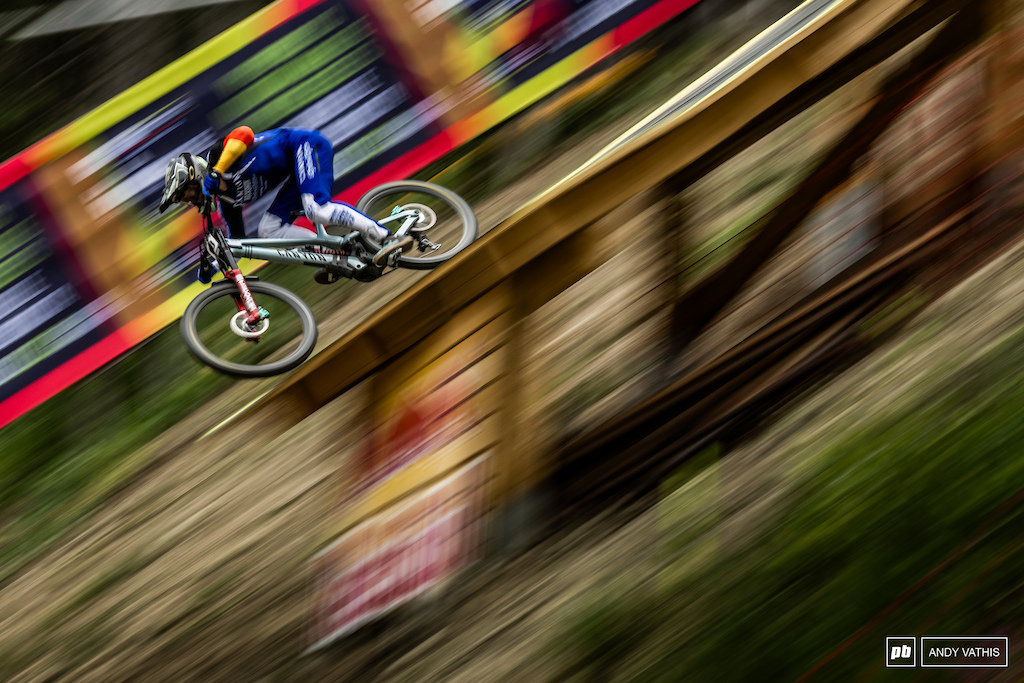
While Everyone Stares At Barcelona, La Thuile Is Where Cycling Gets Properly Scary
The Tour starts this weekend, fine. But the most honest bike racing on the planet is happening on a filthy, stupidly steep Italian mountain where calculators, press releases and GC podcasts go to die.
The Tour de France starts on Saturday 4 July in Barcelona with a team time trial, which means the road world is about to spend three weeks pretending wind tunnels are theatre. Fine. I will watch it. You will watch it. We will all pretend not to care about sock height until someone loses eight seconds and a nation has a nervous breakdown.
But if you want cycling with actual pulse this weekend, look north-east to La Thuile in Italy. From Friday 3 July to Sunday 5 July, the WHOOP UCI Mountain Bike World Series has crammed downhill, enduro, cross-country short track and Olympic cross-country into one Alpine venue. Four formats, one village, one mountain, and a course profile that appears to have been designed by someone who thinks brake pads are disposable moral weakness.
La Thuile is not content. It is a warning.
This is the bit road cycling keeps forgetting. Danger is not automatically spectacle, and nobody sensible wants riders used as crash-test dummies. But mountain biking, at its best, has a clarity that road racing has been sanding off itself for years. The stopwatch is brutal. The track is visible. The consequences are immediate. Nobody is hiding in a convoy of sports directors and lawyers. If you miss a line at La Thuile, the mountain invoices you on the spot.
Pinkbike’s preview calls La Thuile the steepest downhill track currently on the World Cup circuit, at 1.840 kilometres long, with elite downhill qualifying on Friday and finals on Saturday. The current downhill series leaders arrive as Vali Höll in the elite women and Finn Iles in the elite men, while Jackson Goldstone comes in wearing the status of world champion and carrying serious history on this course. That is not hype. That is a rider list with teeth.
If the Tour is chess at 60 kilometres an hour, La Thuile is a fistfight with gravity, conducted on bikes that look like they were built by mechanics who know exactly how bad your decisions are.
The four-format weekend is the future, whether road snobs like it or not
The official La Thuile programme matters because it is doing something cycling’s fractured tribes usually fail to do. Downhill fans, enduro weirdos, Lycra-clad cross-country watt goblins and short-track specialists are all being forced into the same conversation. It is not perfect. It is certainly not simple to broadcast. But it feels alive in a way too many road races do not.
Friday brings short track and downhill qualifying. Saturday is downhill finals and enduro chaos. Sunday is cross-country. That means one venue gives you sprint violence, gravity commitment, endurance skill and technical bike handling across three days. Compare that with another flat road stage where the peloton performs 178 kilometres of corporate meditation before the sprinters attempt manslaughter in the final 400 metres.
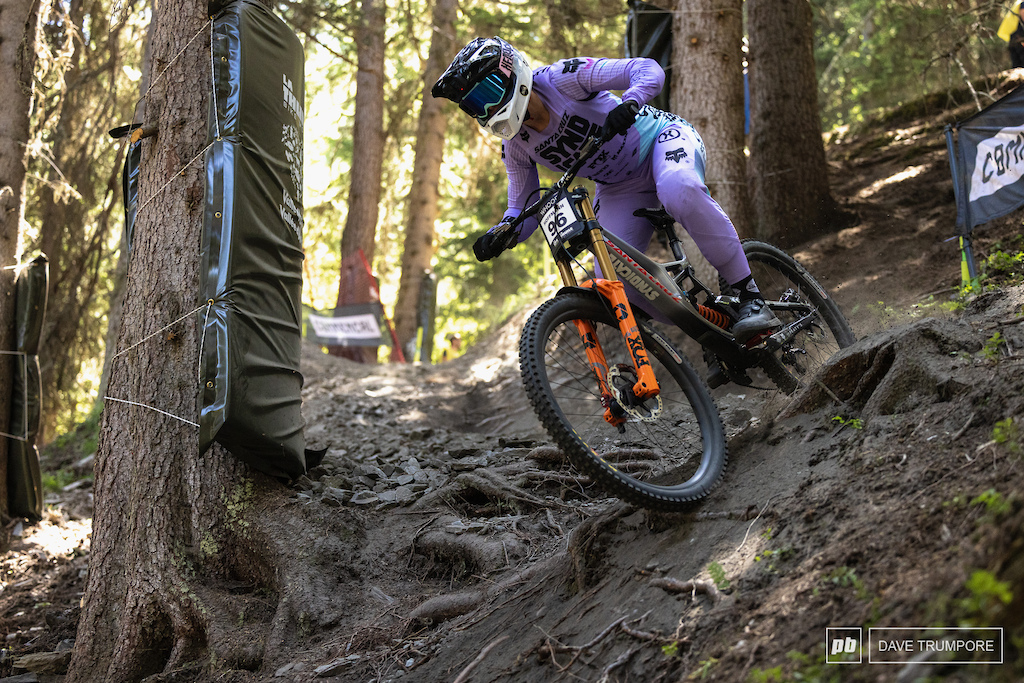
This is why mountain biking should be bigger in Australia than it is on mainstream cycling channels. We have the terrain, the weather, the bike parks, the trail politics, the volunteers with chainsaws and spreadsheets, and enough riders who can fix a tubeless disaster with a boot, a prayer and a servo compressor. What we do not have is a cycling media culture that treats MTB as more than road racing’s muddy cousin.
Troy Brosnan has spent years giving Australian downhill credibility at the top level, yet the average sports bulletin here would sooner explain the Tour’s intermediate sprint points system to a sleeping dog than show a proper downhill run. Stan Sport carrying the series in Australia helps, but paywalled visibility is still visibility with a bouncer on the door.
Road cycling sells suffering. Downhill shows skill.
Here is the provocative bit, because somebody has to say it before the Tour machine drowns everything in yellow nostalgia. Downhill is more visually honest than road racing. You can see the skill. You can see the mistake. You can see the bike working. Suspension, tyre pressure, line choice, body position, braking, fatigue, panic, confidence, all of it is there in one run. No earpiece whispers, no domestique maths, no neutralised descent because the organisers discovered weather exists.
That does not make downhill better than road racing in every way. It makes it less interested in lying to you. A great downhill run does not need a 40-minute podcast explaining why nothing happened. It is a rider threading a machine through roots, rocks and ruts while the laws of physics sit on the top tube making threats.
- It puts multiple MTB disciplines in one place instead of pretending every tribe needs its own locked room.
- It gives spectators a venue where the mountain, not the sponsor village, is the main character.
- It makes bike handling the central spectacle, not an accessory to power data.
- It reminds Australian riders that trail culture is not a niche. It is cycling culture with dirt under its nails.
There is also a commercial lesson here, and the bike industry should pay attention. The average rider is no longer neatly road, gravel, MTB or commuter. Plenty of people own a road bike, a trail bike, a gravel bike and an e-bike, then lie to their partner about how many wheels are in the shed. La Thuile reflects that reality better than most events. It says cycling is not one product category. It is a disorder, and some of us are managing it beautifully.
Watch the Tour, but do not miss the mountain
Yes, the Tour will dominate the weekend. Barcelona will look magnificent. The team time trial will produce lovely helicopter shots, some furious aero pedantry and at least one team bus full of people saying the phrase “process goals” with dead eyes. It will be polished, expensive and important.
La Thuile will be messier. Better, in some ways. It will show riders making decisions too fast for consultancy language. It will show bikes being used as tools, not jewellery. It will show the bit of cycling we should defend harder, the bit where courage still has dirt on it and the best line is not always the obvious one.
So by all means, set your alarms for the Tour. Argue about GC. Pretend you understand every sponsor name. But before the road circus swallows July whole, give La Thuile the attention it deserves. Cycling does not need more smooth content. It needs more mountains that bite back.