
Ventoux Was Half-Closed By Fire. Cycling Better Get Used To It.
Kasia Niewiadoma-Phinney lit up Mont Ventoux, but the bigger story was already burning on the roadside. Cycling’s climate problem is no longer abstract, it is now on the race map.
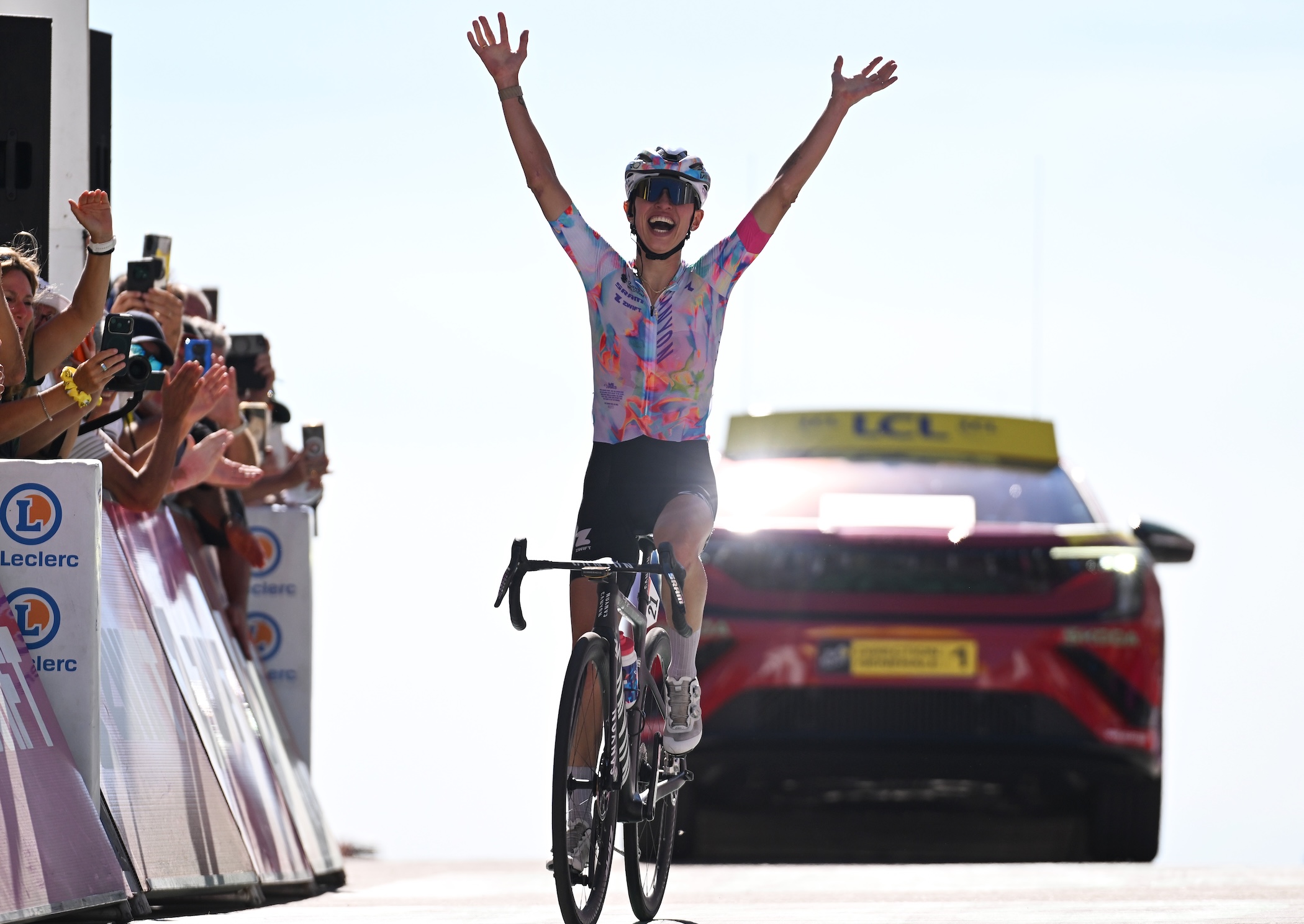
Mont Ventoux delivered the sporting theatre everyone wanted on Friday 7 August 2026. Kasia Niewiadoma-Phinney attacked with 9.7 kilometres to go, rode away from Demi Vollering and Marlen Reusser, won the Tour de France Femmes queen stage by 1:16, and took yellow by 15 seconds. Fine. Brilliant, actually. But if all we take from the day is another heroic climbing montage and a few breathless lines about courage, we have missed the smoke for the summit.
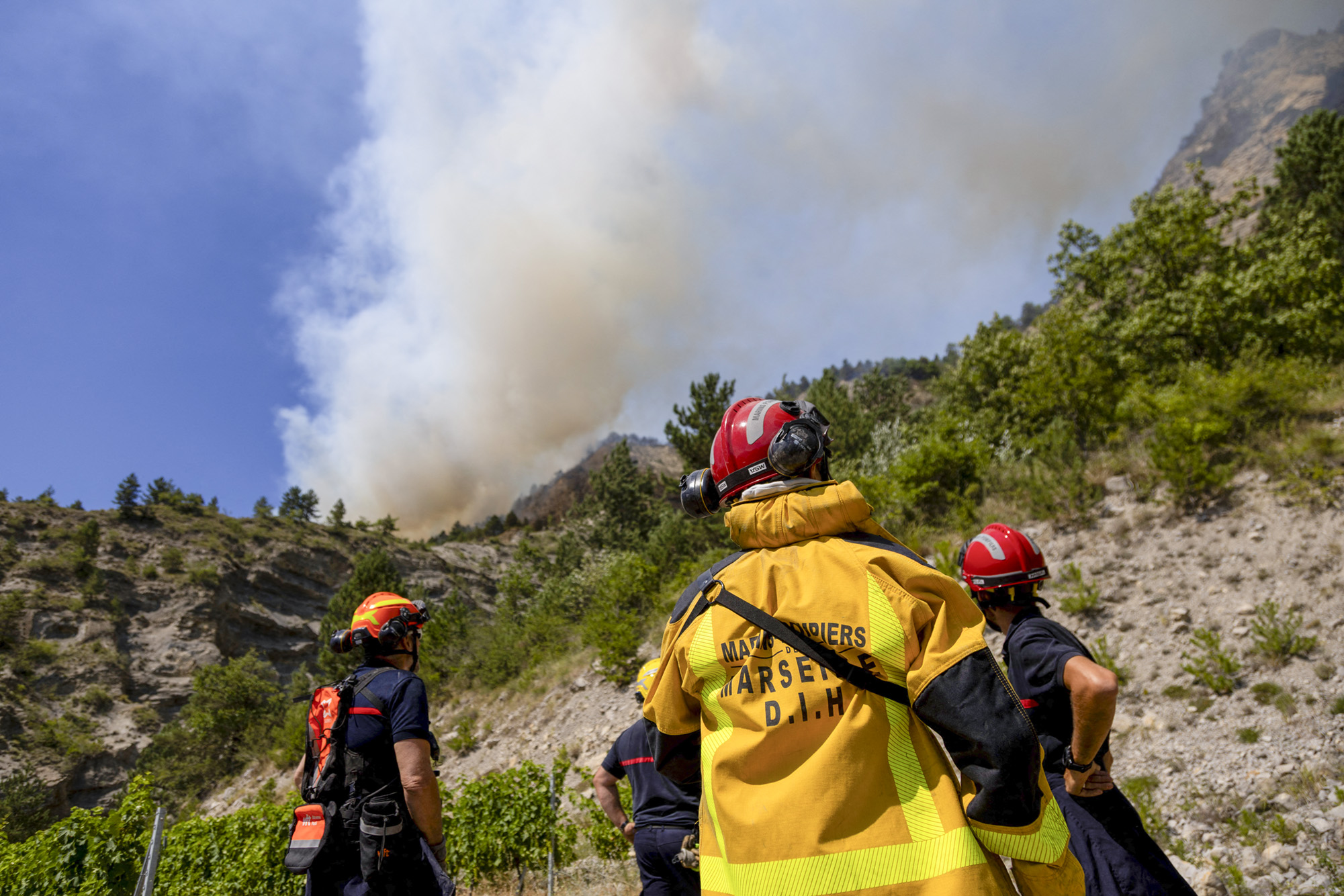
The more uncomfortable story is that the Ventoux stage arrived under restrictions because of wildfire risk. ASO and the Vaucluse prefecture shut spectators and hikers out of parts of the route, including the Dentelles de Montmirail massif, Bédoin at the base of Ventoux, and a seven-kilometre stretch between the Col de Suzette and Malaucène. The stage went ahead. The climb survived. The postcard was preserved. But the old deal between cycling and the landscape was quietly rewritten.
The mountain is not a backdrop anymore
Cycling loves to pretend weather is character-building. Rain makes Flanders holy. Crosswinds make echelons biblical. Heat makes commentators reach for the word “suffering” like it is a cheese knife at a sponsor lunch. But wildfire is different. You do not tough-guy your way through a closed forest. You do not solve smoke with an ice sock. You do not tell emergency services to wait because the race caravan has a schedule.
This was not even the first Tour warning of 2026. During the men’s race in July, fans were asked to stay away from the Stage 3 finish around Les Angles because of fires in the Pyrénées-Orientales. The caravan was restricted, emergency access took priority, and the sport got a preview of its least marketable future: the world’s biggest bike race rolling through scenery too dangerous for the public that normally makes it look alive.
Cycling cannot keep selling nature as a stadium while acting shocked when nature starts enforcing the entry conditions.
ASO was right. That is the scary part.
Let’s be clear before the outrage merchants clip a sentence and ride it into a ditch: restricting fans was the correct call. It was not anti-spectator, anti-women’s racing, anti-romance, or whatever nonsense gets brewed in comment sections by men who think risk management is something that happens to other people’s daughters. If local authorities say fire danger and emergency access matter more than your cowbell position, you move.
The problem is not that ASO took precautions. The problem is that cycling still treats these decisions as awkward exceptions rather than calendar design issues. The sport has heat protocols, bad weather protocols, extreme weather policies, and a very large drawer labelled “hope the village mayor sorts it out”. That drawer is now smoking.
Australia should not be smug
If you are reading this in Australia and thinking the French have finally discovered bushfire season, spare us. We have been living with this for years, and cycling here still behaves like it can simply publish a heat policy and call that adaptation. In January, South Australian heat and catastrophic fire conditions forced Tour Down Under changes. In Victoria, the Surf Coast Classics were cancelled amid bushfire concerns and temperatures reported around 45 degrees. That is not a European problem visiting the calendar. That is our normal arriving in Lycra.
Australian cycling should be leading this conversation, not filing it under “unfortunate operational matter”. We run summer races in places where the road surface can cook your tyres and the air quality app becomes more relevant than TrainingPeaks. We send clubs into regional roads where a total fire ban can wipe out the permit. We ask volunteers to stand on corners in heat that would make a Belgian directeur sportif faint into his bidon crate.
The calendar is the next equipment rule
Here is the bit the sport will resist because it is expensive and emotionally inconvenient: climate adaptation is not just neutral service, more ice, and a PDF nobody reads. It means changing when races start. It means admitting some iconic climbs may need alternate dates or alternate routes. It means TV partners accept earlier finishes. It means host towns stop pretending the only acceptable outcome is the exact brochure image sold two years earlier.
- A published extreme heat and fire threshold that spectators can understand before they travel.
- Pre-approved alternative routes that are not treated as disasters, but as part of the race design.
- Earlier start windows when heat and fire danger demand it, even if broadcasters grumble.
- Real-time air quality monitoring for riders, staff, volunteers and fans.
- A proper public transport and parking plan that does not clog emergency roads with campervans and hire cars.
The peloton has spent twenty years obsessing over marginal gains. Aero socks. Chain wax. Tyre pressure spreadsheets longer than divorce settlements. Meanwhile the biggest performance variable in the sport is becoming whether the valley is breathable, whether the forest is open, and whether the police can keep one lane clear for fire trucks. That is not romantic. It is reality.
Do not make the women carry the warning alone
There is a nasty little pattern in cycling where the women’s race gets used as the test case because the men’s race is too sacred, too lucrative, too bloated with VIP cars to touch. The Tour de France Femmes finally gets Ventoux, the big myth climb, and the first visit comes wrapped in contingency planning and access bans. That does not diminish Niewiadoma-Phinney’s ride. If anything, it makes it sharper. She won inside the future.
But the lesson cannot be quarantined in women’s cycling. The men’s Tour has already had its empty-road fire warning this year. Australian summer racing has had its cancellations and course changes. Gravel events are pushing deeper into forests and farms while pretending “adventure” is a substitute for emergency planning. MTB venues depend on trail networks that can close overnight. E-bike commuters ride through heat islands that councils still treat as an urban design footnote.
Cycling sells freedom better than any sport on earth. That is why we love it. A bike makes a road feel personal, a climb feel earned, a landscape feel close enough to touch. But that intimacy comes with a bill. If the landscape is changing, the sport cannot keep racing like the only thing at stake is who has the better threshold.
Ventoux gave us a champion today. It also gave us a warning. The right response is not panic, and it is definitely not the usual shrug from race organisers who hope the next weather crisis lands in somebody else’s jurisdiction. The right response is to design cycling for the climate it actually rides in.
Because the next time a mountain is half-closed by fire, we should not be surprised. We should be ready.