
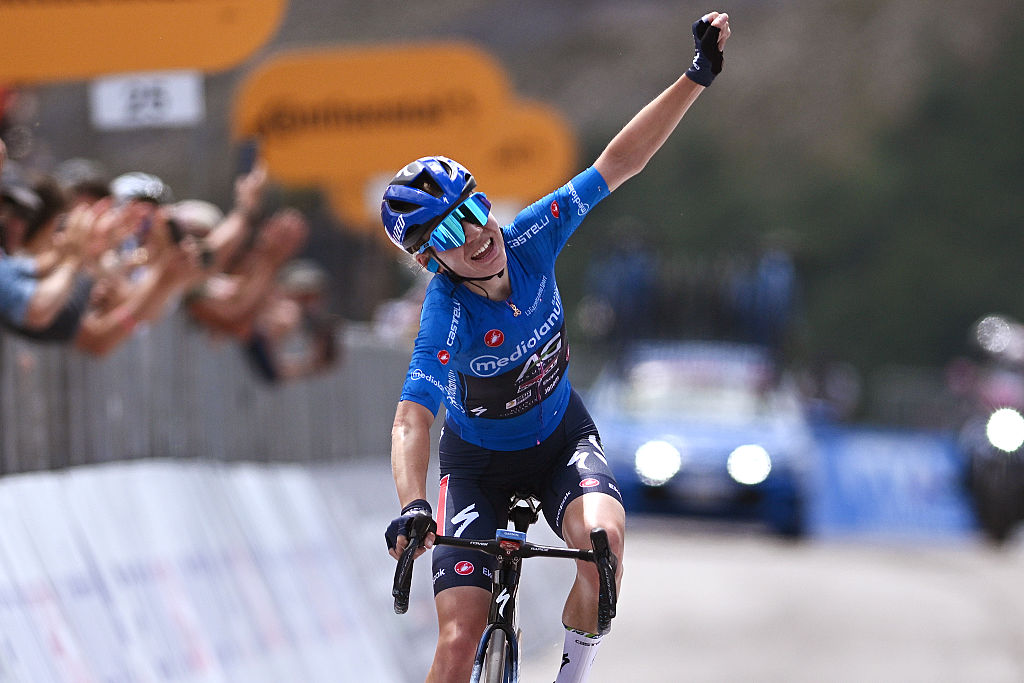
The Women’s Tour Is Not The Men’s Hangover. It Is The Better Late Shift.
The men’s Tour is still chewing the furniture, but the smarter race is already warming up. The 2026 Tour de France Femmes finally gets clean air, Ventoux, a time trial, and an Australian reason to lose sleep properly.
The smartest thing cycling can do after the men’s Tour de France finishes on Sunday 26 July is shut up for five minutes. Not disappear. Not hand the microphone back to transfer rumours, sock-height discourse and whatever carbon widget is being sold as ‘race-proven’ because a domestique touched it near a team bus. Just shut up, reset the room, and let the Tour de France Femmes walk in without being introduced as the afterparty.
Because this year, finally, the women’s race has the one thing it has needed almost as badly as money: oxygen. The 2026 Tour de France Femmes runs from 1 to 9 August, starting in Lausanne, Switzerland, and finishing in Nice. That gives it a proper gap after the men’s circus instead of being jammed into the same emotional suitcase and told to be grateful for the crumbs. If cycling wastes that separation, it will be because the sport is addicted to acting smaller than it is.
This is not a support act
The route is not some politely scenic women’s edition designed to photograph well next to lavender and sponsor villages. It is nine stages with teeth: a Swiss Grand Départ, a 21-kilometre individual time trial into Dijon on Stage 4, Mont Ventoux on Stage 7, then a nasty Nice finale where tired legs meet Mediterranean theatre. That is not tokenism. That is race design with a clipboard and a grudge.
And yes, Ventoux matters. Not because it is sacred, although every roadie with a bookshelf and a waxed chain seems to think so. It matters because women’s racing has spent too long being praised for ‘growth’ while still having to beg for the big climbs, the prime broadcast slots, the hard logistical choices, the expensive helicopter shots, the full treatment. A summit finish on the Giant of Provence is not a gift. It is an overdue invoice.
If you still describe the Tour de France Femmes as a developing product, you are not being cautious. You are being slow.
The route rewards complete riders, not hashtags
The beauty of this course is that it should punish specialists who arrive with only one trick and a good press officer. Demi Vollering has the stage-race engine and, crucially, the time trial strength. Pauline Ferrand-Prévot, last year’s French fairytale turned reality, has the climbing menace and the cultural gravity. Kasia Niewiadoma-Phinney remains the rider you can never shake from the conversation because she races like a person who has read the rulebook, underlined the boring bits, then attacked anyway. Paula Blasi’s Vuelta Femenina win put another live grenade into the favourites list. Marlen Reusser, if fully right, makes the Dijon time trial more than a checkpoint. It becomes a warning siren.
That is the point. This Tour should not be a coronation. It should be an argument conducted at threshold. The modern women’s peloton is deep enough now that a rider can be brilliant and still get rinsed because the terrain asks a different question every day. For viewers, that is gold. For teams, it is terrifying. For bike brands, it is the best product test they will get all year, because nobody sells a lightweight climbing bike quite like a rider detonating a GC group on an actual mountain rather than in a wind-tunnel render.
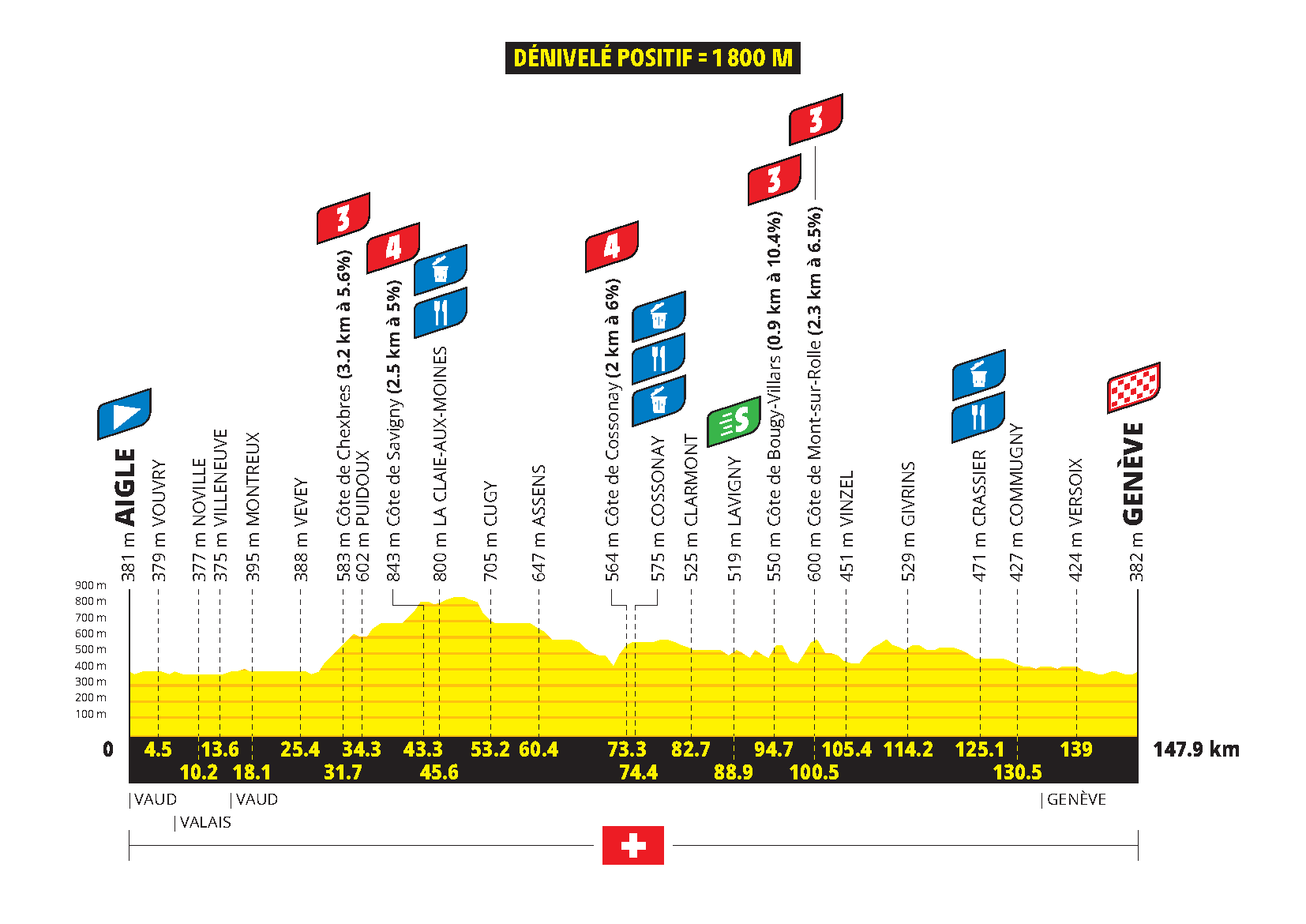
The Australian hook is Sarah Gigante, but do not be weird about it
Australia has an obvious reason to care: Sarah Gigante is listed by the race on AG Insurance-Soudal’s Tour de France Femmes profile, and the route looks like it was assembled by someone who knows exactly what makes a pure climber start grinning. Ventoux is the sort of climb that turns polite predictions into roadside debris. Gigante has already shown she can win hard mountain stages, including at the Giro d’Italia Women, and she has the rare gift of making steep gradients look like a personal invitation rather than a threat.
But here is where Australian cycling needs to behave like an adult. Do not turn Gigante into the whole race. Do not build a national expectation tower out of hope, SBS promos and a few highlights on Willunga Hill. She has had injury interruptions, and women’s GC racing is not a homecoming parade with better scenery. If she is flying, wonderful. If she is building, still wonderful. The value is not only whether an Australian ends up on a podium in Nice. The value is that Australian viewers get to watch a genuinely elite field race a genuinely elite course live and free, and perhaps learn to love women’s cycling without needing a flag waved in front of their faces every three seconds.
- It starts on Saturday 1 August, six days after the men’s Tour ends, so there is no excuse to treat it as background noise.
- Stage 4’s 21-kilometre time trial to Dijon gives the GC a proper technical and pacing test before the mountains.
- Stage 7 to Mont Ventoux is the big one, and not in a ceremonial ‘look, women can climb too’ way. It could decide the race.
- The Nice finale keeps the suspense alive, because the Côte d’Azur is excellent at making confident teams look silly.
- Australians can watch every stage through SBS and SBS On Demand, which remains one of the few truly civilised things about being a cycling fan here.
The industry should be paying attention, not just applauding
Here is the bit the bike industry still fumbles. Women’s racing is no longer a charity shelf in the marketing department. It is not ‘representation’ copy stuck between a gravel tyre launch and a discount code. It is one of the few areas of road cycling where the audience is still expanding, the racing often feels less choreographed, and the equipment story is genuinely interesting. Smaller riders, different fit demands, brutal climbs, mixed stage profiles, real aero and weight trade-offs. If a brand cannot tell a better product story from this Tour than ‘same frame, smaller sizes, pastel option’, it deserves to be heckled at Eurobike until the coffee runs out.
And bike shops should care too. The rider who watches Ventoux at midnight is not just a fan. She might be your next road bike customer, your next wheel upgrade, your next local bunch regular, your next person walking into a workshop asking why her stock saddle feels like a legal punishment. If you only merchandise women’s cycling when there is a pink bar tape special, you are not old-school. You are bad at retail.
Women’s cycling does not need to borrow prestige from the men’s Tour anymore. It needs the sport to stop standing in the doorway.
The men’s Tour will still dominate the noise this week. Of course it will. It is huge, ridiculous, brilliant, exhausting, and occasionally so self-important it needs its own team bus. But the moment Paris is done, the next proper cycling story is not a transfer whisper or a new aero bottle cage. It is Lausanne to Nice, 1 to 9 August, with Ventoux waiting like a bouncer at closing time.
So yes, stay up for the Femmes. Not out of duty. Not because you have been guilted by a federation graphic with three exclamation marks. Stay up because the racing will be hard, the favourites are messy, the route is sharp, and the Australian angle is real without needing to swallow the whole thing. If cycling wants to prove it has grown up, this is the test. Put the women’s Tour in prime emotional real estate, not the spare room. Then watch what happens.