
The real longevity drug is a bicycle you actually ride
Cycling probably will not make you immortal. But if Australia is serious about longer, healthier lives, the answer is not another wellness gadget, it is boring, safe, everyday bike riding.
Cycling is not the key to a longer life if by cycling you mean a $16,000 superbike, a subscription training app, and a midlife crisis performed in aero socks. That version of cycling may make you fitter, faster and more insufferable at barbecues. But the kind of cycling that plausibly extends life is much less glamorous. It is the ride to work. The trip to the shops. The e-bike commute that gets someone with dodgy knees moving again. The boring, repeatable, low-friction habit of using your legs as transport.
And here is the opinion Australia still seems determined to dodge: cycling is only a longevity tool when it is ordinary enough for ordinary people. If riding a bike requires bravery, fluoro armour and a psychological willingness to be abused by a bloke in a Ranger, then it is not public health. It is a niche endurance sport with traffic trauma attached.
The science is annoyingly clear
The best evidence does not say cyclists are magical. It says people who regularly ride tend to do very well on the things that matter: cardiovascular fitness, metabolic health, independence, mood, mobility and social contact. The famous 2017 BMJ UK Biobank commuting study followed more than 260,000 people and found cycle commuting was associated with lower all-cause mortality, lower cancer incidence and lower cancer mortality compared with non-active commuting. That is not a prescription from Mount Sinai carved onto a carbon rim, but it is a fairly large hint.
Then there is the older-age evidence, which is where this gets properly interesting. In 2025, University of Tsukuba researchers reported on older adults in Kasama City, Japan, with baseline data from 2013 and follow-up to 2023. Older people who used bicycles, even for short periods, had lower risks of needing long-term care and lower mortality than non-users. The effect was especially pronounced among people who did not drive. Translation: the bike was not just exercise equipment. It was a passport out of the house.
The anti-ageing magic is not the bike. It is the life the bike makes possible.
Stop pretending this is about Lycra
The cycling industry loves to sell longevity as a performance aesthetic. Zone 2. VO2 max. Carbon shoes. Glucose monitors on riders who also inhale bakery stops like Labradors. Some of that has value. Aerobic fitness is one of the better predictors of healthy ageing, and cycling is a superb way to build it because it is low impact and scalable. You can spin easy at 90 watts, flog yourself up a gravel climb, or sit behind a mate pretending not to be cooked.
But if we are talking population health, the hero is not the club rider doing sweet spot intervals before sunrise. It is the person who replaces five car trips a week with a bike. That rider may never know their FTP. Good. FTP culture is not a public health strategy. Frequent, moderate movement is.
E-bikes are not cheating, but illegal mopeds are not cycling
This is where 2026 gets spicy. Bicycle Network’s preliminary Super Tuesday count, taken on 3 March 2026 across more than 940 Australian sites, found e-bikes up 19 per cent nationally from 2025 and making up 17 per cent of all bike trips counted. That is not a fad. That is a transport shift with a battery clipped to it.
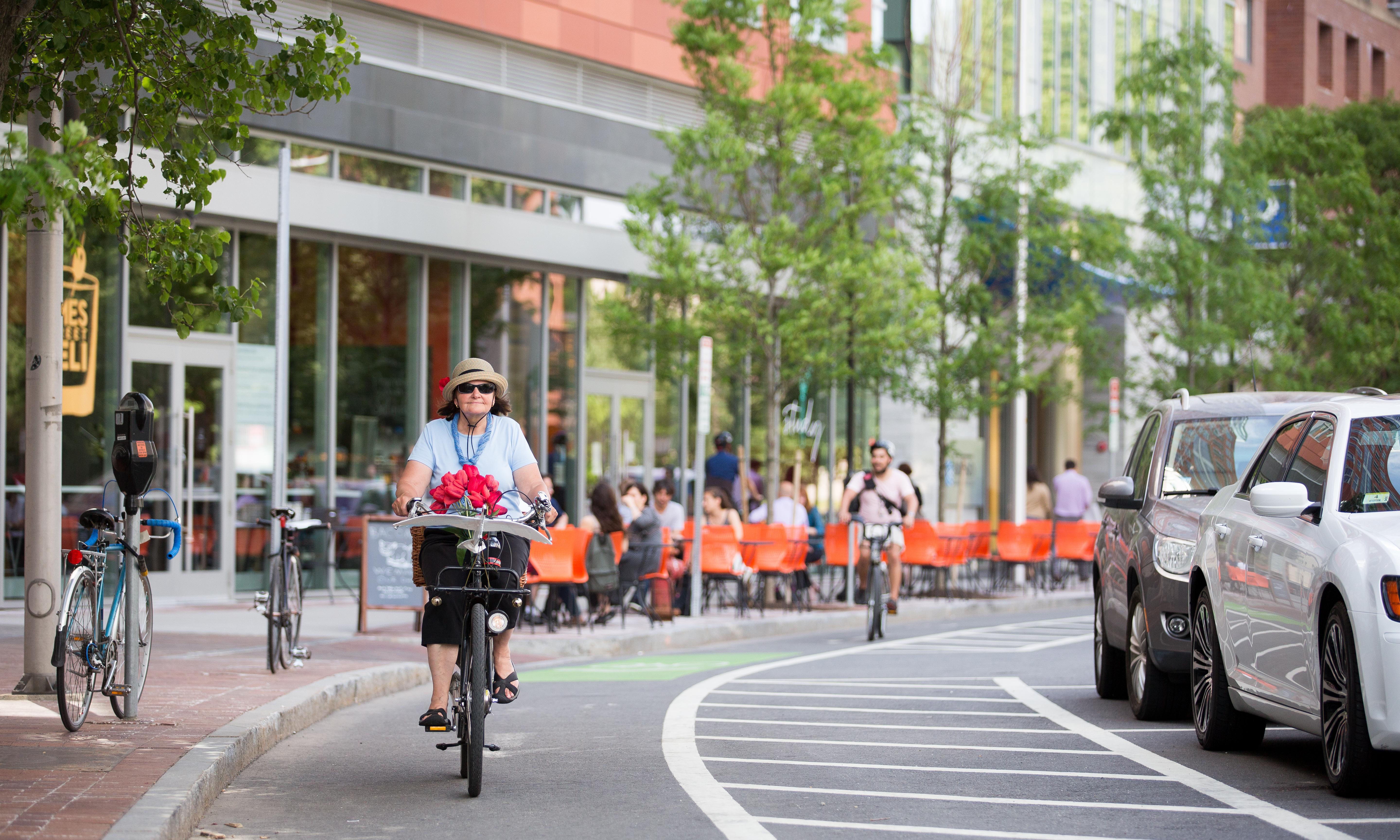
The e-bike is arguably the most important health bike of the decade because it lowers the activation energy of riding. Hills become negotiable. Headwinds become less vindictive. Groceries, kids and ageing joints stop being automatic excuses for reaching for the car keys. For older Australians returning to riding, a legal pedal-assist e-bike can be the difference between movement and decline.
But let us not be cute about it. A legal e-bike is not the same thing as an overpowered throttle weapon being hammered down a shared path. Victoria Police relaunched Operation Consider in June 2026, issuing hundreds of infringements in Melbourne while targeting non-compliant e-bikes. Legal EPAC machines are capped at 250 watts and assistance cuts out at 25 km/h, with pedalling required. If your so-called bicycle behaves like an unregistered motorbike, congratulations, you have discovered why the public gets twitchy.
- Make bikes easy enough to ride daily, not just on Sundays.
- Build protected lanes and off-road paths where normal people feel safe.
- Treat legal e-bikes as mobility tools, not moral failures.
- Crack down on illegal electric motorbikes without kneecapping genuine riders.
- Stop measuring cycling success by racing culture and start measuring replaced car trips.
Australia has finally found the chequebook, sort of
In June 2026, federal parliament was still talking up the Active Transport Fund, with $500 million over 10 years from 2026-27 for bicycle and walking paths. Good. Also, about time. Australia has spent decades treating cycling infrastructure like a decorative verge treatment, then acting shocked when people do not want to gamble their collarbones in painted door zones.
ABC reporting in May 2026 put the contradiction neatly: cycling participation in Australia has barely shifted over the past decade, yet safety remains the biggest barrier. City of Melbourne research found only 22 per cent of potential riders felt comfortable in painted bike lanes, while 83 per cent felt comfortable in protected lanes. That single statistic should be tattooed on every transport minister’s hand before they cut another ribbon beside a strip of green paint squeezed between parked utes and impatient traffic.
The longevity debate is therefore not really about whether cycling works. It does, if people can actually do it. The argument is whether governments, councils and the cycling industry have the nerve to make bike riding boringly normal. The Dutch did not build a national health advantage by convincing everyone to buy race wheels. They built streets where a grandparent, a nurse, a kid and an office worker can ride without having to perform courage.
So, is cycling the key to a longer life?
Not by itself. You still need sleep, decent food, strength, community, luck and fewer drivers staring into phones. Cycling will not outpedal smoking, loneliness, poverty or a hostile road system. But as a practical machine for healthy ageing, it is close to unbeatable because it stacks benefits. It moves your body, gets you outside, keeps joints loaded without smashing them, connects you to places, and can preserve independence long after running starts feeling like a personal attack from your knees.
The bike is not a miracle cure. It is better than that. It is mundane, affordable and repeatable. That is exactly why it threatens the wellness industry, the car lobby and every council still pretending a shared path that evaporates at a roundabout is infrastructure.
If you want the honest answer: cycling is not the key to living forever. It is one of the better keys to living better for longer. The catch is that you have to ride, not just own the bike. And Australia has to decide whether it wants longer, healthier lives badly enough to build streets where more people are willing to start.