
The New Superbike War Is Not About Bikes. It Is About Buying The Rider’s Position.
Specialized, Orbea and Canyon have all arrived at Tour week waving wind-tunnel numbers like pub receipts. The dirty secret is that the fastest thing on a modern road bike is no longer the frame, it is the position the frame bullies you into holding.
Tour week used to begin with a route map, a start list and a nation pretending its rouleur could climb if only the heat stayed down. In 2026, it begins with a product war. Specialized has dropped the S-Works Tarmac SL9. Orbea has fired back with a heavily revised Orca Aero. Canyon is waving the updated Aeroad CFR LTD around and saying, in effect, look at the numbers, peasants. The Barcelona team time trial is the racing headline, but the bike industry has chosen this week to remind everyone that July is not just a sporting month. It is launch season with helicopters.
The easy take is that this is all nonsense. The slightly better take is that it is mostly nonsense. The useful take is that the nonsense has changed shape. The new superbike argument is no longer just frame weight versus drag coefficient. It is about forcing the rider into a faster shape, then selling that forced shape back to consumers as speed, confidence, stability and, naturally, destiny.
Specialized has turned marginal gains into courtroom drama
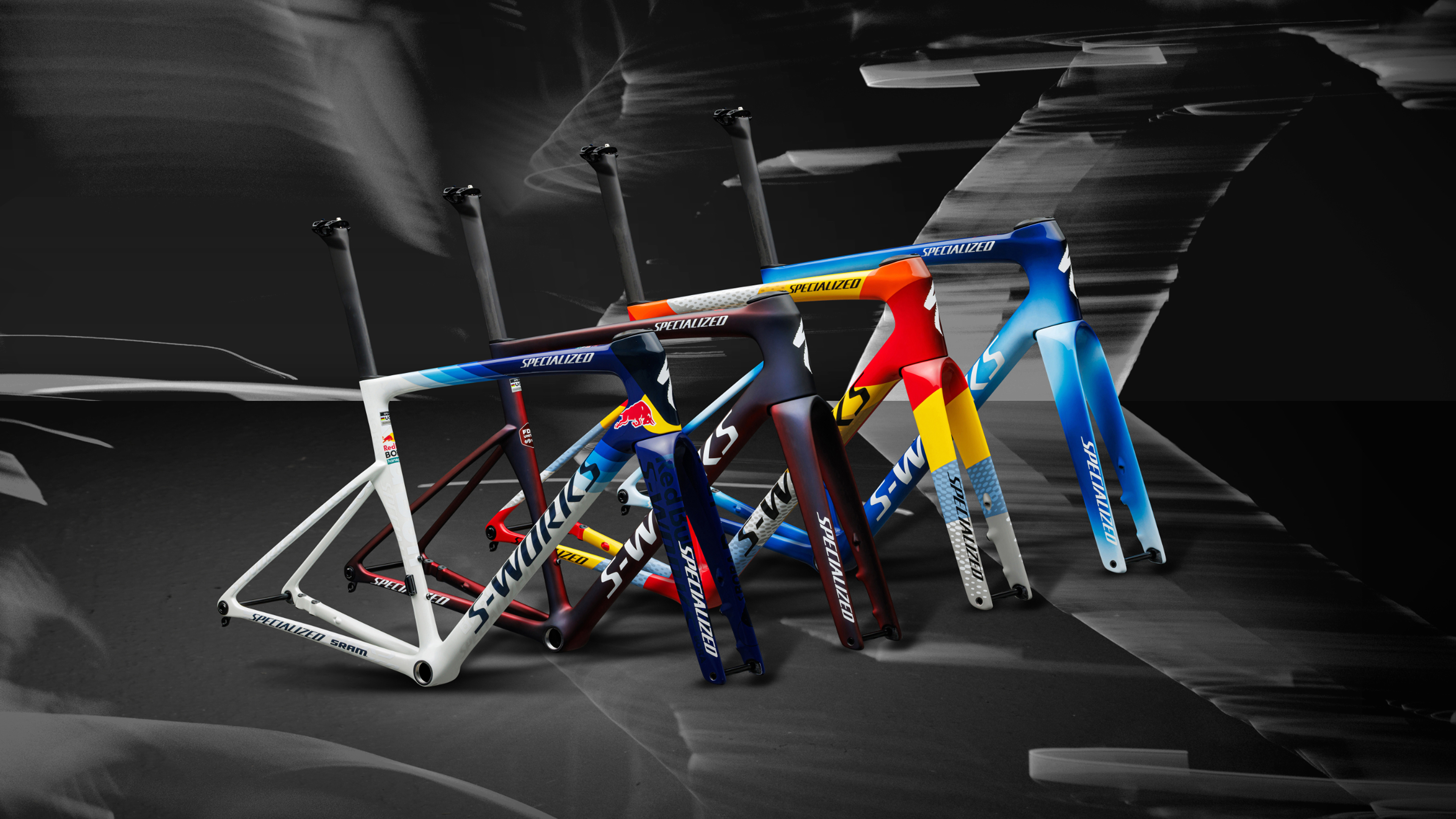
The Tarmac SL9 arrived on 30 June with a claim big enough to require its own legal department: the fastest road bike ever made. Its top S-Works builds are not exactly priced for the bloke who just discovered chain wax either, with published Australian figures around $20,500 to $21,500 for complete bikes and $9,500 for framesets. That is not a bike purchase. That is a small hatchback with no roof, no warranty against your hamstrings, and a desperate need for 28 mm tyres at 72 psi.
The interesting bit is not the price, because expensive Tarmacs are as shocking as a café ride starting late. The interesting bit is Specialized’s shift in language. The company is pushing its Time to Finish idea, a blended model that tries to account for aerodynamics, weight, rolling resistance, terrain, road surface and rider context instead of just worshipping one wind-tunnel figure. That is sensible. Annoyingly sensible, even. For years, riders have been sold lab numbers that collapse the moment a crosswind, a pothole or a nervous elbow enters the chat.
The superbike has stopped pretending to be an object. It is now a negotiating tactic between your body, your fitter, your bank account and the wind.
Specialized says the SL9 can hit the UCI’s 6.8 kg limit ready to ride, helped by a claimed 687 gram frame in its lightest finish. It has a deeper fork, a narrower head tube, a revised seat tube shape with the extremely Specialized name Win Fin, and an offset steerer to help hide hoses while shaving frontal area. Some of that is clever engineering. Some of it is brand poetry written by someone who should be made to true wheels for a week.
Orbea has worked out the rider is the brick wall
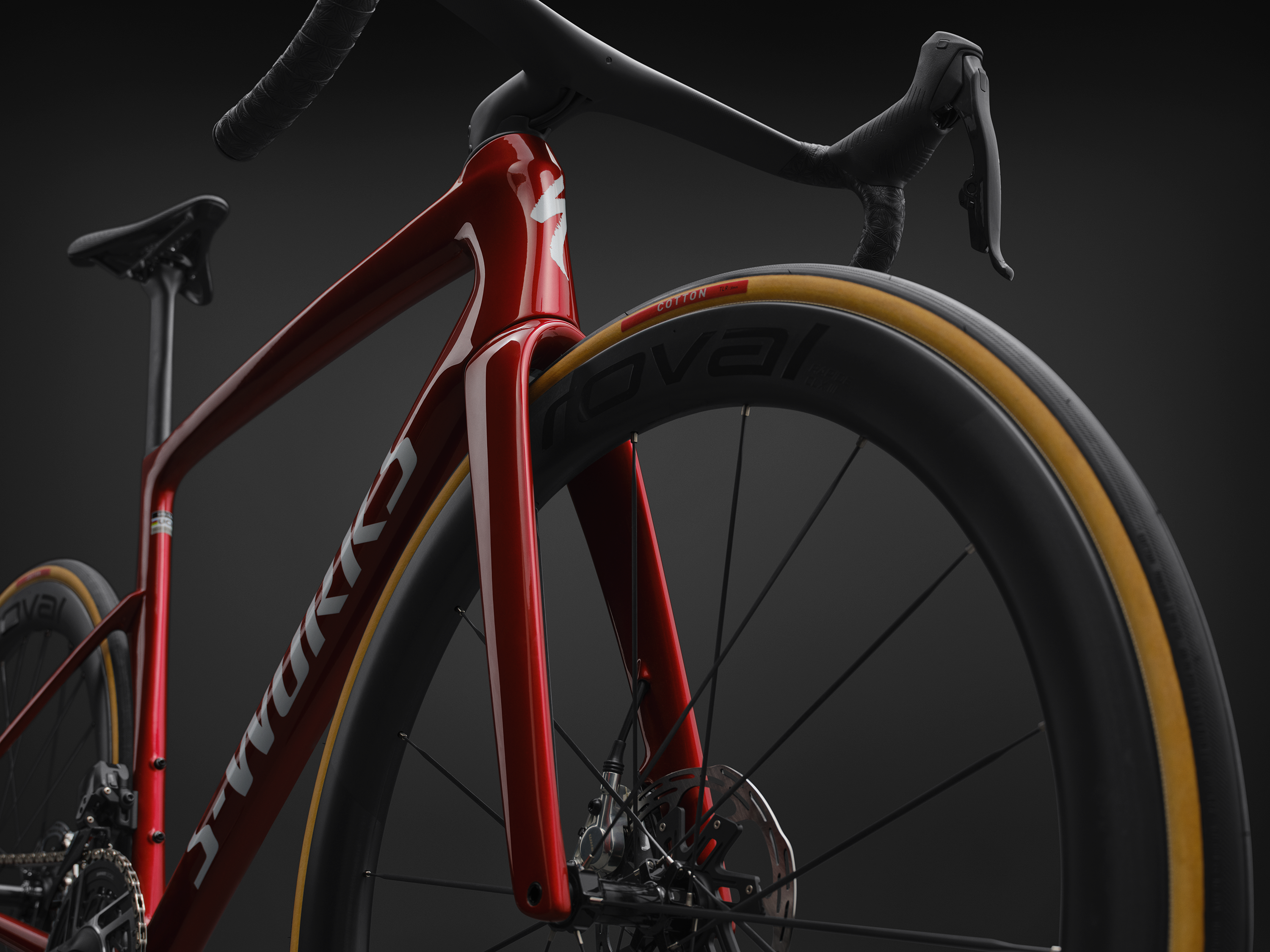
Then Orbea turned up on 2 July with the new Orca Aero and, frankly, a more useful admission. The frame alone is not the show. Orbea claims the new bike is 21 watts faster than its 2022 predecessor, but only 5.1 watts of that comes from wind-tunnel testing of the bike by itself at 50 km/h. The bigger number comes from bike and rider together, especially a lower, more stable position helped by a 78 mm bottom bracket drop.
That matters because it is closer to what most competent riders already know. You can buy the narrowest head tube in the shop and still sit on the hoods like a shopping trolley. You can spend five figures on carbon and give half of it back by wearing a flappy gilet, running tyres like garden hoses, or stacking spacers until your cockpit looks like a Jenga tower. Orbea’s big move is less romantic and more brutal: lower the rider, stabilise the rider, let the rider stay there longer. That is where speed lives.
The Orca Aero’s other provocation is clearance. Orbea is quoting room for 37 mm tyres, which is wild in the best way. Five years ago, road traditionalists were still hyperventilating over 30s. Now an aero race bike is flirting with rubber that would not look absurd on rough Australian backroads. This is progress, not because everyone should race on 37s, but because it admits the road is not a polished velodrome. Anyone who has ridden chipseal in regional Victoria, the Adelaide Hills after resurfacing, or the dead suburban tarmac that passes for infrastructure in too many Australian councils knows vibration is not theoretical. It is lost speed, tired hands and bad language.
Canyon is selling the number, because of course it is
Canyon’s updated Aeroad CFR LTD plays the other card: clean, brutal, spreadsheet speed. The company says the new Aeroad hit 198 watts in TOUR Magazine’s wind-tunnel test, helped by the new one-piece RACE Cockpit. Alpecin-Premier Tech, Movistar, Fenix-Premier Tech and CANYON//SRAM will put Canyon bikes under some very serious legs this northern summer, which means the marketing department will not need to invent much if the thing wins.
And this is where the consumer gets squeezed. These bikes are not really launched for you, even when the checkout button says otherwise. They are launched for WorldTour television, investor confidence, dealer excitement and the YouTube thumbnail economy. You, the rider with a mortgage and an ageing pair of bibs, are invited to participate by turning desire into finance.
Before you sell a kidney for a superbike, ask these questions
- Can you actually hold the position the bike is designed around for more than ten minutes?
- Will your fitter be able to make the cockpit work, or are you buying a sculpture with gears?
- Are replacement bars, seatposts and proprietary small parts available in Australia without a six-week prayer circle?
- Are you riding fast enough for the claimed aero savings to matter, or would tyres, kit and a better helmet do more?
- Can your local mechanic service the hidden routing without inventing new swear words?
None of this means the new superbikes are bad. Quite the opposite. The Tarmac SL9, Orca Aero and Aeroad CFR are probably magnificent tools. They are faster, more integrated and more thoughtful than the twitchy old carbon race bikes we used to call stiff because we lacked the vocabulary for uncomfortable. The best of this new generation recognises that speed comes from the whole system, rider included. That is a genuine improvement.
But let us not pretend the revolution is democratic. The superbike war is becoming a battle over who can best package a professional position for civilians. Some riders will benefit enormously. Others will buy a $20,000 problem and then blame the saddle. The lesson from Tour week is not that everyone needs a new aero bike. It is that the industry has finally admitted what your club’s fastest old bastard has known forever: the frame matters, but the body on top of it matters more.
So enjoy the launches. Drool over the paint. Argue about fork shapes. Mock the names. I certainly will. But if you want to go faster this winter in Australia, start with position, tyres, clothing and the boring discipline of riding properly hard. Then, if you still want the superbike, buy it with open eyes. Not because it promises to save your ride, but because you understand exactly what it is asking your body to become.