
Stop Calling Accell A China Story. This Is The Bill For The Pandemic Bike Binge.
Accell may be heading for new ownership, and the lazy take is to panic about China. The sharper read is uglier: the bike industry gorged itself on boom-time debt, then asked riders and shops to pay the bar tab.
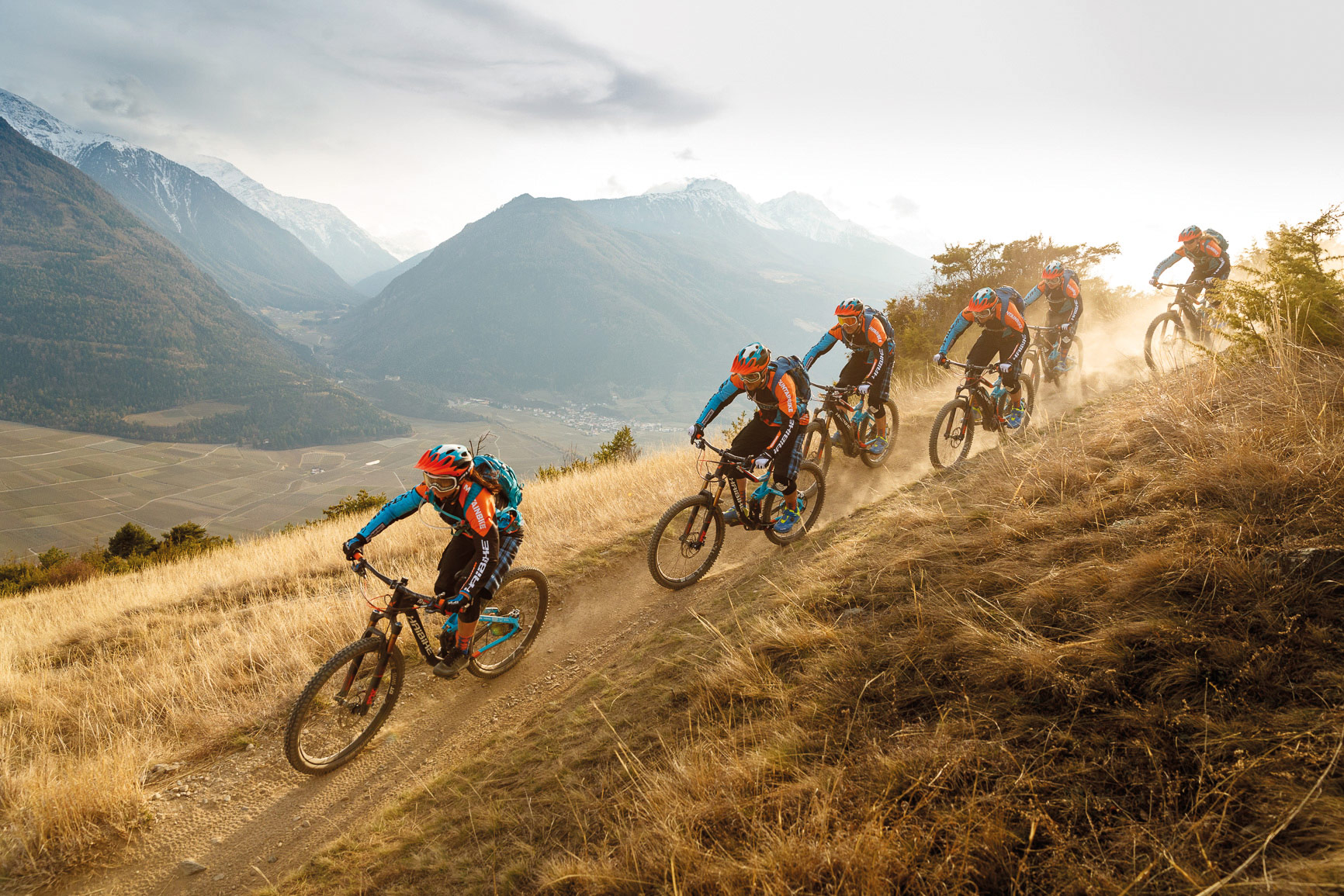
While the Tour is busy producing its daily soap opera in France, the more important cycling story is happening in the boardrooms. Accell Group, the Dutch giant behind Haibike, Ghost, Lapierre, Batavus, Koga, Raleigh, Sparta, Babboe, Winora and XLC, is reportedly close to changing hands again, with Singapore-based Dutech Holdings filing for German merger clearance on 26 June 2026. A decision is expected in July.
That sentence sounds like finance wallpaper. It is not. It is the sound of the bike industry still vomiting up the pandemic boom it never properly digested.
This is not a culture war. It is a debt story.
The dumb version of this column would be easy: European bike icon swallowed by Chinese investor, cue pearl clutching, cue sepia-toned Raleigh nostalgia, cue bloke in a wool jersey muttering that things were better when frames had horizontal top tubes and nobody used the word platform. Spare me.
The sharper version is this: Accell was bought by KKR in 2022, near the top of cycling's great pandemic delusion. Everyone wanted a bike, supply chains were broken, shops were taking deposits on models they had never seen, and every spreadsheet in the industry assumed the good times would keep rolling. They did not. Demand cooled, warehouses filled, discounts got stupid, and the brands that had borrowed against forever-growth found themselves pedalling squares.
By February 2026, KKR had stepped back and lenders had taken ownership after another refinancing. Accell's debt had already been cut from roughly €1.4 billion to about €800 million during its recapitalisation, which is less a victory lap than a triage note. Now, only months later, the group is reportedly in the sights of Dutech Holdings, controlled by Johnny Liu, through a deal that German competition authorities are reviewing.
If your bike brand needs saving twice before the next model year, the problem is not the nationality of the investor. The problem is the business model.
Why riders should care
Riders love pretending ownership does not matter. We say things like, 'I only care if the bike rides well.' Noble. Also nonsense. Ownership decides which frames get made, which warranties get honoured, which spares sit in a warehouse, which dealers get paid on time, and whether the next e-MTB battery mount is supported for seven years or quietly abandoned when the PowerPoint deck changes.
Accell is not a boutique badge with a tasteful Instagram feed and a bloke called Jules brazing seatstays in a shed. It is a continent-sized parts, e-bike and bicycle machine. Haibike matters in e-MTB. Lapierre matters in road, MTB and French racing culture. Raleigh still has a deep emotional pull in commuter and family cycling. Batavus, Sparta and Koga are woven into Dutch transport life. XLC matters because shops need parts, not just brand theatre.
The reported buyer is not some random mystery suitcase of cash either. Dutech has been building a European bike and mobility portfolio. Its orbit already includes names such as Prophete, Kreidler, Rabeneick, VSF Fahrradmanufaktur and Onomotion, along with technology interests such as enviolo hub gearing and Blubrake braking systems. Add Accell and suddenly you are not buying a bike company. You are buying shelves, service lanes, batteries, cargo bikes, commuter habits and dealer dependency.
The e-bike boom made everybody brave and stupid
This is the bit Australian riders should pay attention to. We are forever told the future is e-bikes, cargo bikes, connected bikes, subscription servicing, fleets, leasing and urban mobility. Some of that is true. A lot of it is also a financier's bedtime story. The product is expensive, the warranty exposure is real, the batteries age, software support matters, and dealer training is not optional. You cannot run e-bike aftersales like it is 2007 and you are selling alloy hybrids with V-brakes to uni students.
When e-bike demand is hot, everyone looks clever. When demand cools, the stock sits there like wet carpet. A pallet of unsold road helmets is annoying. A warehouse full of ageing e-bikes with model-specific electronics is a cash bonfire with tyres. The industry wanted car-company margins, tech-company valuations and old-school bike-shop loyalty, all at once. That fantasy is now being marked down.
- Debt is still steering the bike industry more than design is.
- E-bike scale is valuable, but only if aftersales and parts supply are boringly excellent.
- Brand heritage does not protect you from bad timing and bloated inventory.
- Dealers are the shock absorbers of every corporate mistake.
- Australian shops should watch Europe closely, because our market catches the sneeze after Europe gets the flu.
Do not cheer consolidation too quickly
There is a seductive argument for consolidation. Bigger groups can fund better logistics, proper diagnostic tools, battery compliance, cleaner warranty systems and wider parts availability. In theory, a better-capitalised Accell could be good for dealers and riders. If Dutech brings patience, operational discipline and genuine support, fine. Some brands need boring adult supervision more than another limited-edition paint scheme.
But consolidation also has a nasty habit of sanding the interesting edges off cycling. Product managers start chasing global SKU efficiency. Local knowledge gets treated as emotional noise. Dealers get told to hit targets written by someone who has never watched a customer walk out because the replacement display costs more than their first car. The bike becomes less a machine and more a node in a supply-chain thesis.
That is what worries me. Not China. Not Singapore. Not private equity versus lenders versus industrial owners. What worries me is a bike industry that keeps confusing financial engineering with actual engineering. A good bottom bracket standard is hard enough. A good ownership structure appears to be harder.
The local shop is still the adult in the room
Ask any decent Australian mechanic what matters and they will not start with the investor register. They will ask whether they can get a derailleur hanger before Saturday. Whether the diagnostic software works. Whether the warranty portal is a bin fire. Whether the battery is certified, replaceable and supported. Whether the distributor answers the phone when a commuter's bike is dead and their car is long gone.
That is the real test for whatever happens to Accell. If the next owner treats dealers as unpaid customer-service sponges, riders will feel it. If it treats old brands as spreadsheet livestock, riders will feel that too. But if it uses scale to make ownership less painful, more parts available and e-bike support less chaotic, then maybe this ugly financial chapter becomes something useful.
Still, let us not pretend this is some grand triumph of sustainable mobility. It is a rescue shaped like an acquisition, born from a boom that made the entire industry believe its own marketing. The bill has arrived. Accell is just the biggest name currently passing the EFTPOS machine around the table.