
Specialized Called Dad Back. That Is Not A Succession Plan.
Mike Sinyard is returning as Specialized CEO at 76. Charming? Maybe. But if the biggest brands in cycling still need their founders to mop up the executive suite, the bike industry has learned nothing.
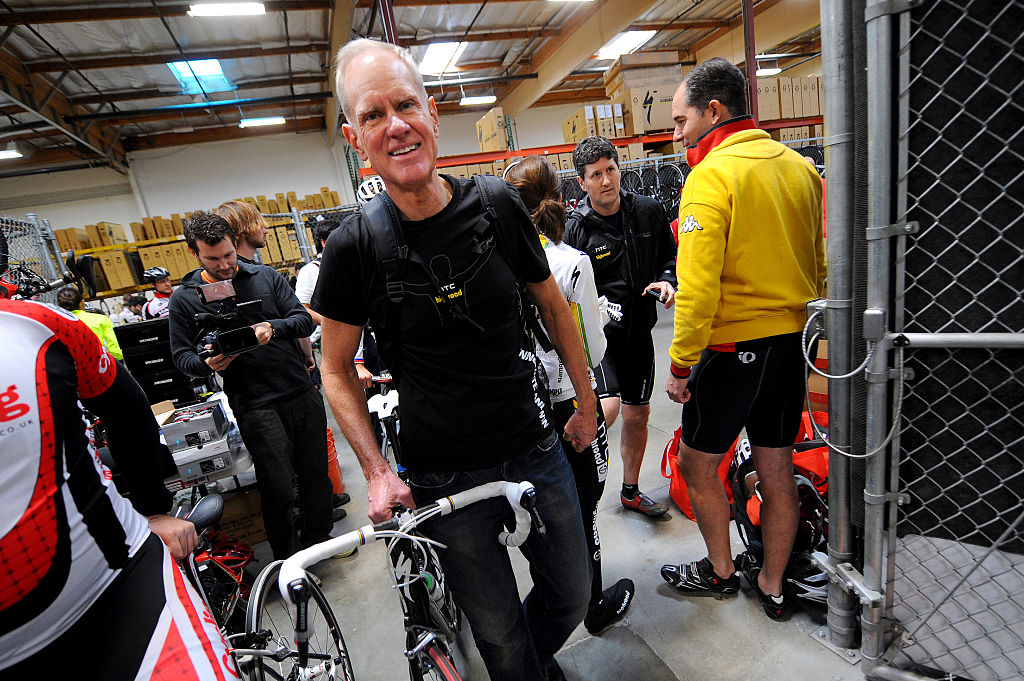
While the Vuelta was busy chewing up legs on La Pandera and everyone with a rainbow jersey fantasy was pretending Montreal is still weeks away, the most revealing cycling story of the day happened in an office in Morgan Hill, California. Specialized founder Mike Sinyard will resume the CEO role on 1 November 2026. He is 76. Armin Landgraf is stepping down after two years as CEO and four years at the company. The press-release version is neat, respectful and polished enough to hang in a Concept Store. The real version is messier: one of cycling’s biggest brands has just admitted that succession is harder than selling another $20,000 race bike.
The founder is back. The industry should be nervous.
Do not confuse this for a cute heritage story. Sinyard founded Specialized in 1974 and held the CEO title for 48 years before stepping away in 2022. Since then, the hot seat has passed through former Dyson executive Scott Maguire, then Landgraf, who arrived with serious credentials from Pon.Bike and Canyon. That is not a revolving door by Silicon Valley standards, but in bike-land it is close enough to make the mechanics put down the torque wrench and look up.
The brand line is predictable: Landgraf leaves Specialized in a strong position, Sinyard returns driven by passion for riders and retailers, Specialized remains a big bike shop at heart. It is a nice phrase. It is also the sort of thing bike companies say when they need dealers to stop wondering who actually runs the place. A big bike shop at heart is a lovely identity. A global premium brand with direct-to-consumer pressure, inventory bruises, warranty headaches, e-bike complexity and superbike price tags is not a bike shop. It is an industrial machine that occasionally wears an apron.
If your founder has to come back at 76 to remind everyone you are a bike company, you do not have a culture problem. You have a governance problem.
This is not just Specialized drama, it is a shop-floor warning
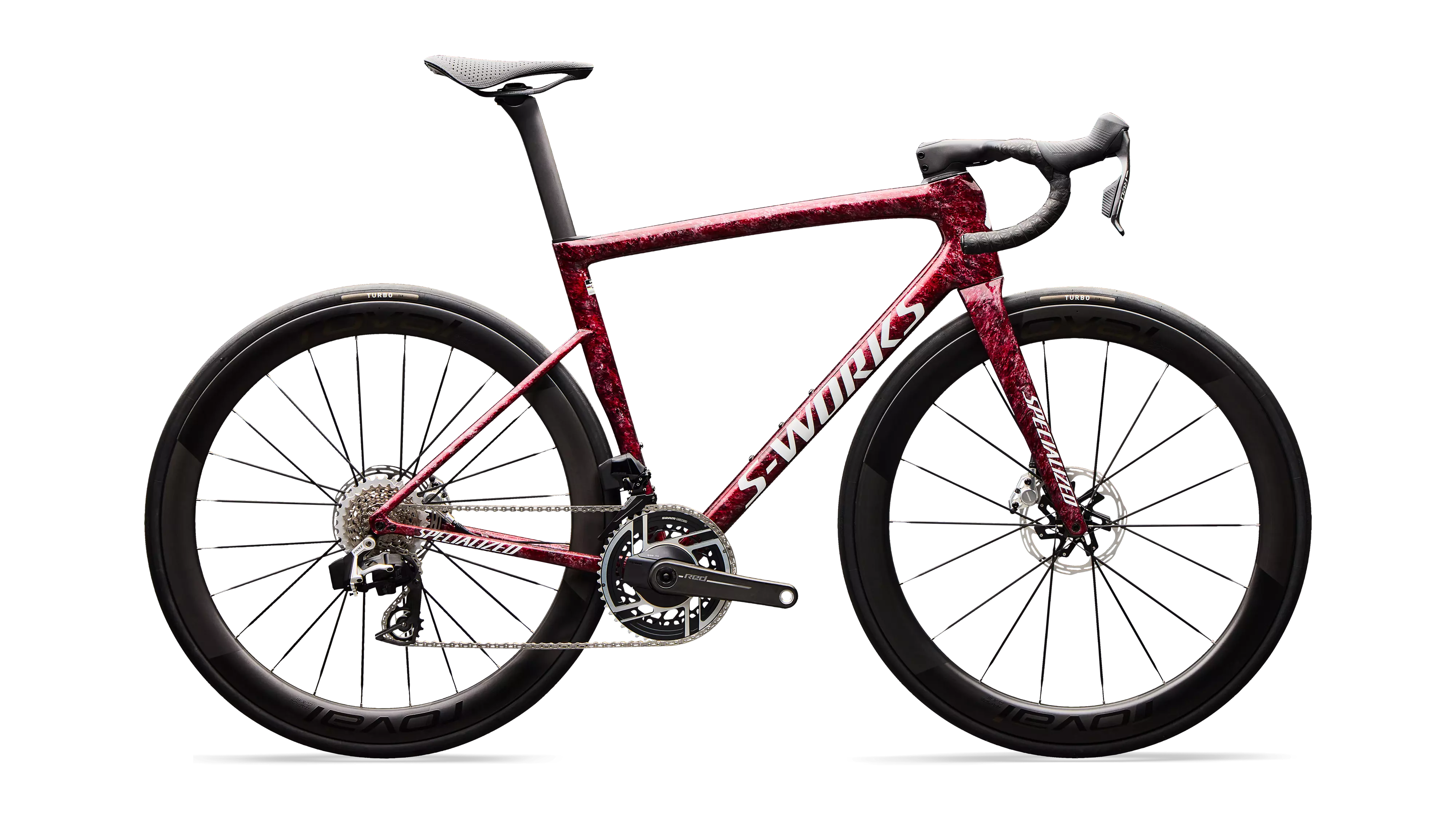
Australian riders should care because Specialized is not some distant Californian logo. Walk into bunch rides from St Kilda to Subiaco and you will see Tarmacs, Roubaixs, Levos, Epics and Aethoses leaning against café walls like status symbols with bottle cages. The local website currently shows a 2026 S-Works Tarmac SL8 SRAM Red AXS listed at $15,999.99, down from $20,900. That is a serious amount of money for a bicycle, even before you add pedals, cages, computer mount, insurance and the quiet marital negotiation required to get it past the front door.
And when a brand asks that much, leadership matters. Not in the airy MBA sense. In the practical, oily-fingered sense. Will spares exist? Will warranty claims move quickly? Will dealers be treated as partners or expensive fitting rooms for online transactions? Will riders still be able to talk to a human when the clever integrated thing develops a very unclever creak? That is where founder mythology stops being romantic and starts being commercial.
The bikes are not the issue. The business model is.
Specialized still makes excellent bikes. Anyone pretending otherwise is either lying, trolling or riding a clapped-out endurance frame with 23s and unresolved brand trauma. The Tarmac SL8 remains a weapon. The Epic still sets the tone in XC. Turbo e-bikes helped drag performance pedal-assist out of the shed and into the mainstream. The problem is not the product. The problem is that brilliant product can no longer paper over a confused channel strategy.
Every big bike brand wants the same impossible thing. They want dealer loyalty, online margin, premium positioning, discount flexibility, WorldTour glamour, e-bike volume and boutique credibility. Pick six, apparently. Then they wonder why the bloke running a suburban shop with three mechanics and a rent increase is not thrilled about being called a partner after watching another customer use his floor stock for sizing before ordering online.
Sinyard’s return is being sold as continuity, but it reads like a course correction. Cycling’s founder-led brands have always had a particular voltage. Sometimes that energy builds icons. Sometimes it builds fear, lawsuits, tantrums and corporate nostalgia so thick you could patch a tubeless sidewall with it. The danger is obvious: a founder can steady the ship, but he can also convince everyone the map from 2008 still works if you laminate it harder.
Dealers do not need poetry. They need predictability.
Here is the part the executive class still underestimates. Riders trust bike shops more than brands. They may lust after the logo, but when the brake rubs, the seatpost slips or the headset sounds like breakfast cereal, they go to the person with the workstand. That person knows which brands answer emails, which brands hide behind portals, which brands support stockists and which brands treat warranty like a hostage negotiation.
- That the dealer network is not just marketing scenery.
- That Australian riders paying superbike money get superbike support.
- That e-bike service and battery accountability are not afterthoughts.
- That premium pricing is matched by parts availability, not just launch videos.
- That the next CEO after Sinyard is not another two-year experiment.
This is why the Sinyard return matters beyond Specialized. The bike industry spent the pandemic boom acting like demand was a law of physics. Then inventory stacked up, discounts got ugly, retail confidence sagged and the brands rediscovered words like discipline, focus and sustainable growth. Now one of the biggest names in the game has reached back to its origin story. That can be inspiring. It can also be a flashing red light.
The romantic read is too easy
I know the sentimental version. The founder returns. The riders cheer. The dealers exhale. The brand remembers the smell of chain lube and cardboard boxes. Lovely. Put it on a poster above the espresso machine.
But cycling has too much founder worship already. We clap for the visionary and ignore the systems. We mythologise the garage, then complain when the global company still behaves like a garage with a legal department. If Specialized wants this to be more than a nostalgic rescue lap, Sinyard’s second act cannot just be about passion. It has to be about building an adult succession plan, rebuilding dealer confidence and admitting that the rider experience includes the boring bits after purchase.
Because here is the harsh truth: the best bike in the world still becomes a bad purchase if support turns flaky. A beautiful frame is only beautiful until the proprietary wedge, battery, bearing, motor, cockpit or paint claim leaves a rider stranded between a web form and a shop that did not make the sale. That is where brand love dies. Not in wind tunnels. Not on Instagram. At the service counter, under fluorescent lights, when someone has to say, sorry mate, we are still waiting.
So yes, Mike Sinyard is back. It is a terrific story. It is also a brutal question aimed at every major bike brand: if your future depends on calling the founder back into the chair, what exactly were the last four years for? Specialized has the bikes, the name and the rider loyalty. Now it needs to prove it has something rarer in cycling: a plan that survives the person who started it.