
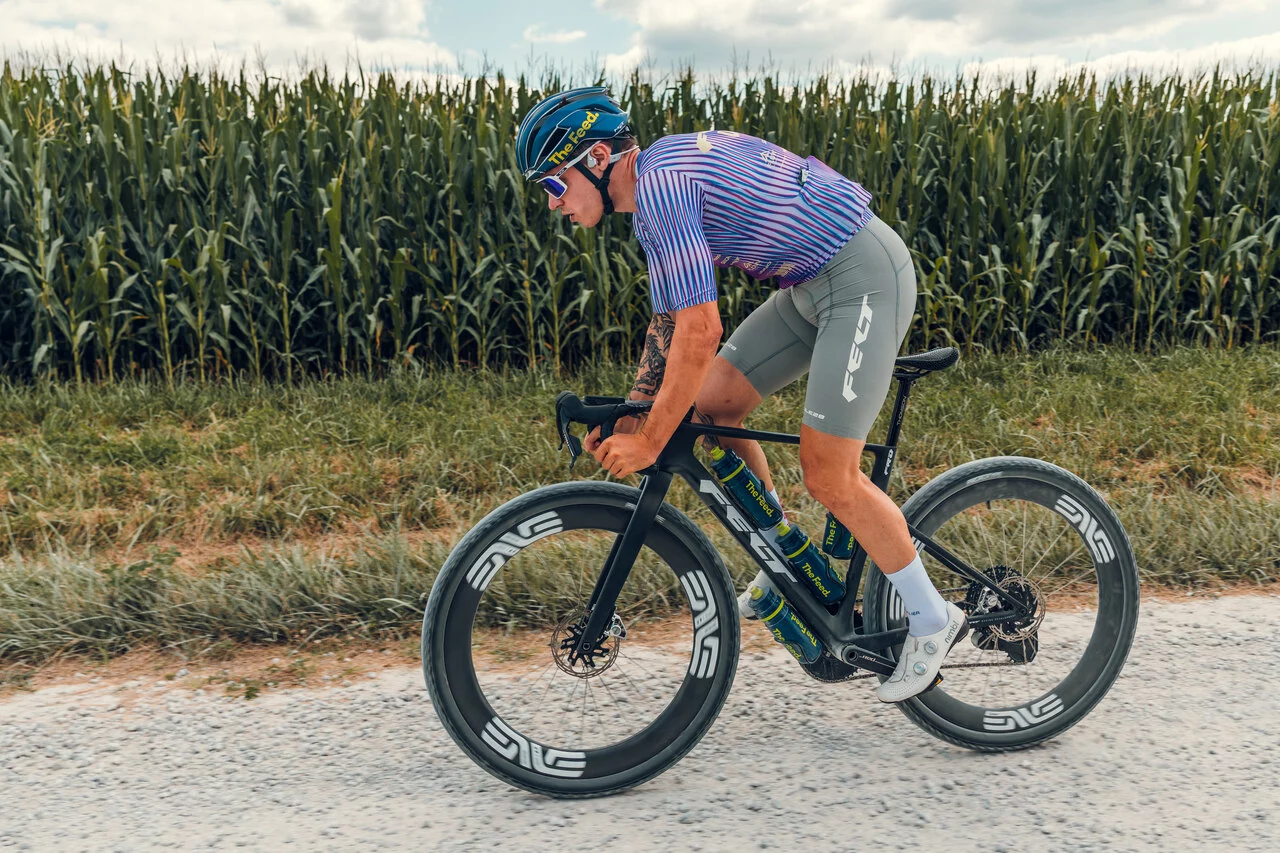
Silca Bought The Gravel Nerd. That Is The Real Product.
Silca’s new Protocol tyres are interesting. Dylan Johnson signing his first tyre deal is the bit that should make every gravel tragic sit up straight.
The most interesting thing in cycling this week was not Pogačar giving Monaco another reason to admire itself. It was a tyre launch. Worse, it was a tyre launch from Silca, a brand so fluent in marginal gains it can make a valve extender sound like a PhD thesis. Yet here we are, because Silca’s new Protocol line is not just rubber. It is a clean, clinical purchase of credibility.
On 20 August, Silca launched its first in-house road and gravel tyre range, the Protocol family. There is one road tyre, the RCR, and three gravel tyres, the RCG-1, RCG-3 and RCG-4, covering fast hardpack, mixed terrain and looser conditions. They are tubeless, built around 120 TPI casings, modern wide rims, lower pressures and all the right vocabulary: compound science, casing geometry, carbon beads, asymmetric tread, latex-friendly mould release. The spec sheet is impressive. The timing is better.
The tyre is not the story. The witness is.
Silca also signed Dylan Johnson, the American gravel racer, coach and YouTube equipment obsessive who has spent years turning tyre choice into public audit work. That is the part that matters. Johnson built a chunk of his reputation by not being tied to a tyre sponsor, by testing, switching and telling people why he thought one tyre was faster than another. In a sport full of riders saying whatever the decal on the downtube requires, that kind of perceived independence is rare currency.
Now Silca has bought some of it. That is not an insult. It is a business observation. The company has not merely released tyres into a saturated market of Continental, Schwalbe, Vittoria, Maxxis, Specialized, Pirelli and every private-label side hustle with a tanwall. It has attached the launch to a rider whose audience already cares about casing thickness, 55 mm volume, rolling resistance, pressure calculators and why your local group ride hero is still overinflating everything like it is 2009.
Gravel used to sell freedom. Now it sells test data, and the smartest brands are buying the people who made the data feel trustworthy.
Johnson insists he is not selling out, which is exactly what someone in his position must say, and maybe he is right. He says he was involved early, tested prototypes and only talked contract once the tyres rode and tested well. Fine. That is better than a rider being handed a box and a caption. But cycling fans are adults. We can hold two thoughts at once. A rider can be sincere, and a sponsorship can still change the meaning of every future recommendation.
Silca is late, which might be why this works
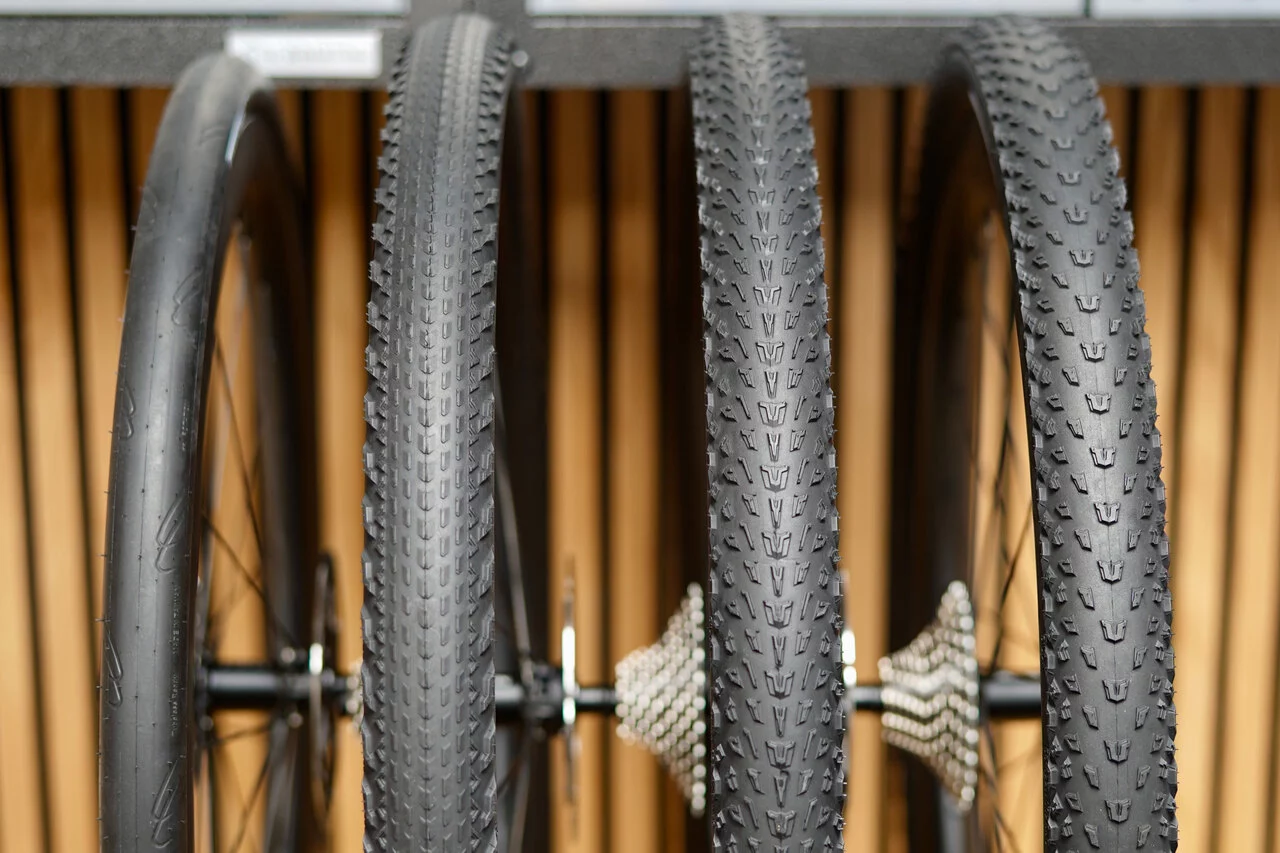
Silca is not first to discover that gravel tyres got too skinny, too stiff and too road-brained. The sharp end of American gravel already moved towards big-volume, thin-casing XC logic. Plenty of riders worked out that a fast 2.1 inch mountain bike tyre could be quicker and safer on rough gravel than a nervous little 40 mm file tread pretending Kansas is a velodrome. The industry then did what it always does. It noticed the racers, repackaged the behaviour, and called it innovation.
But late is not fatal if you arrive with a coherent argument. Silca’s argument is simple: do not scale a road tyre up and drown it in rubber. Start from low-pressure, high-volume off-road dynamics and design the casing, tread and compound around that reality. That is the right direction. Modern gravel bikes have become lighter, faster and more capable, but tyres still decide whether your expensive aero gravel frame feels like a weapon or a shopping trolley on corrugations.
The Australian bit is obvious if you actually ride here
Australian gravel is not one thing. It is pea gravel in WA, billiard-table farm roads until they suddenly become axle-deep marbles, baked fire trails, flinty shoulders, and corrugated dirt that turns your fillings into percussion. Any tyre brand talking only about rolling resistance on groomed hardpack is selling half a truth. We need volume, sidewall manners and puncture resistance, but we also need honesty. A fast tyre that dies on the second rock strike is not a race tyre, it is landfill with logos.
That is why the Protocol launch matters beyond the usual gear-launch froth. If these tyres genuinely combine big volume with low weight and proper durability, Australian gravel riders will care. If they are just beautifully marketed, expensive rubber that needs perfect conditions and a mechanic with a calming voice, the bush will expose them quickly. Our roads do not care about brand decks.
- How do they test against the boring benchmark tyres people already trust?
- Do the sidewalls survive sharp Australian gravel, or just Midwest champagne dirt?
- Are the 45, 50 and 55 mm sizes actually true to size on common rims?
- Does the road RCR make sense, or is it just a gravel company trying to look complete?
- Will independent testing match the launch claims once the sponsorship glow fades?
The influencer-racer era has grown up, and got expensive
There is a bigger shift here. Brands once bought racers because racers won races. Then they bought teams because teams filled catalogues with legitimacy. Now they buy interpreters. Johnson is valuable because he explains why, not just what. He turns equipment choice into narrative, and that is far more powerful than another photo of a pro bunny-hopping a cattle grid on tyres nobody can identify.
This is not automatically bad. Cycling needs technically literate voices. Most bike marketing still treats riders like excitable Labradors with credit cards. If a sponsored athlete has genuine development input and keeps publishing useful, testable claims, that is better than the old omerta where everyone pretended their sponsor’s slow tyre was miraculous. But the audience has to update its settings. Once money changes hands, scepticism is not cynicism. It is basic maintenance.
Silca knows this. Of course it does. This is a company built on the romance of precision, the idea that small details matter and that the person who knows those details deserves better equipment. Signing Johnson does not cheapen that pitch. It sharpens it. The Protocol range is not being sold to people who buy the cheapest black circle at the shop. It is being sold to riders who can name the casing on last season’s race tyre and still blame tyre pressure for their bad legs.
So, is this good or gross? Yes.
I like the move. I also distrust it. That is the proper response. Silca entering tyres makes sense because tyres sit at the centre of everything the brand already sells: pumps, sealant, valves, pressure calculators, marginal gains religion. It would be stranger if it did not eventually try to own the contact patch. The Protocol range looks serious, and the decision to build around modern gravel volume rather than old road assumptions is exactly where the sport has been heading.
But the cult of the trusted gear nerd is now a commercial battleground. The best independent voices in cycling are being professionalised, sponsored and absorbed, one contract at a time. That does not make them liars. It does mean the audience needs to stop confusing expertise with neutrality. Silca has not just launched tyres. It has launched a case study in how modern cycling credibility is manufactured, defended and monetised.
If the tyres are fast, tough and honestly tested, brilliant. Gravel riders win. Bike shops get another premium option that actually makes technical sense. Racers get one less compromise between speed and survival. But if the Protocol line disappoints, the damage will be bigger than a bad review. It will hit the promise that made this launch so potent in the first place: that the nerds were still on our side.
That is the real test. Not the launch copy. Not the lab chart. Not the sponsored quote. Put them under ordinary fast riders on ugly roads, in bad weather, at stupid pressures, with sealant already past its best. Then we will know whether Silca bought credibility, or earned it.