
Road Teams Found Dirt Points. Mountain Biking Should Hide The Keys.
The UCI is about to let road teams count selected off-road results toward their road rankings. That sounds progressive until you remember how road cycling treats every other discipline: as a feeder system with better scenery.
Everyone in Montréal is staring at skinsuits, start ramps and rainbow jerseys today, which is fair enough. The Road World Championships have opened on Sunday 20 September 2026, and cycling’s attention span naturally runs toward whatever has a timing beam and a helicopter shot. But the more dangerous story is not the elite time trial. It is the spreadsheet sitting underneath the sport.
From the 2027 season, under rules already approved by the UCI, road teams will be able to add a limited number of points from selected non-road results into the UCI Road Team Ranking. Not coffee-ride kudos. Not Instagram engagement. Actual ranking currency. The list includes World Championships results in track, mountain bike XCO, cyclo-cross and gravel, plus final standings from the World Cups or Nations Cups in track, XCO and cyclo-cross. For men, it only applies if the rider is among the team’s top 20 road scorers. For women, top eight. It will not count for the individual road ranking or national ranking, which is the UCI’s way of saying, relax, this is merely a controlled fire in the finance office.
This Is Not A Cute Nod To Versatility
The official line is easy to sell. Modern riders cross disciplines. Fans like it. Pidcock, Van der Poel, Ferrand-Prévot, Vos and a generation of gravel-adjacent racers have made the old silo system look dusty. Fine. True. Also incomplete. The moment off-road points help road teams protect licences, invitations and budgets, mountain biking and gravel stop being neighbouring cultures and start becoming exploitable assets.
That distinction matters. A rider doing multiple disciplines because they love racing bikes is one thing. A road programme deciding an XCO rider is useful because they can plug a gap in the ranking table is another. One is sport. The other is procurement.
Road cycling has never met a healthy ecosystem it did not think could be converted into a development pathway.
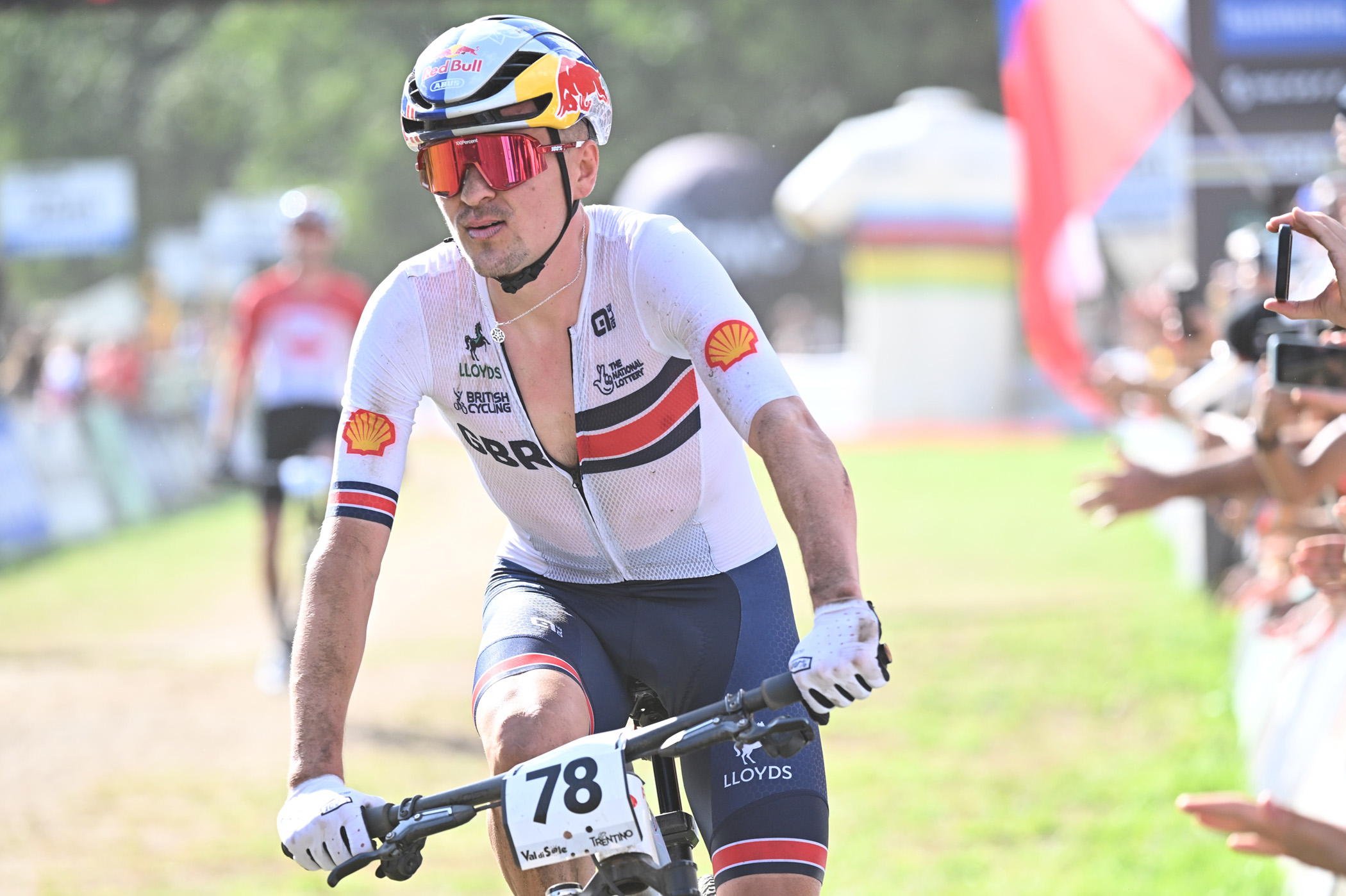
Look at the timing. Tom Pidcock has just won another elite XCO world title at Val di Sole, then turned straight toward Canada with the Road Worlds on his calendar. Cycling Weekly has him framed as a rider chasing history, the first man to complete the set of mountain bike, cyclo-cross and road world titles. That is the romance version. The business version is uglier and probably more accurate. Pidcock is not just a rare talent. Under the next phase of ranking logic, he is the perfect asset class: stage-race GC profile, bike-handling theatre, dirt credibility, rainbow potential and points optionality.
Kate Courtney Shows The Upside, And The Trap
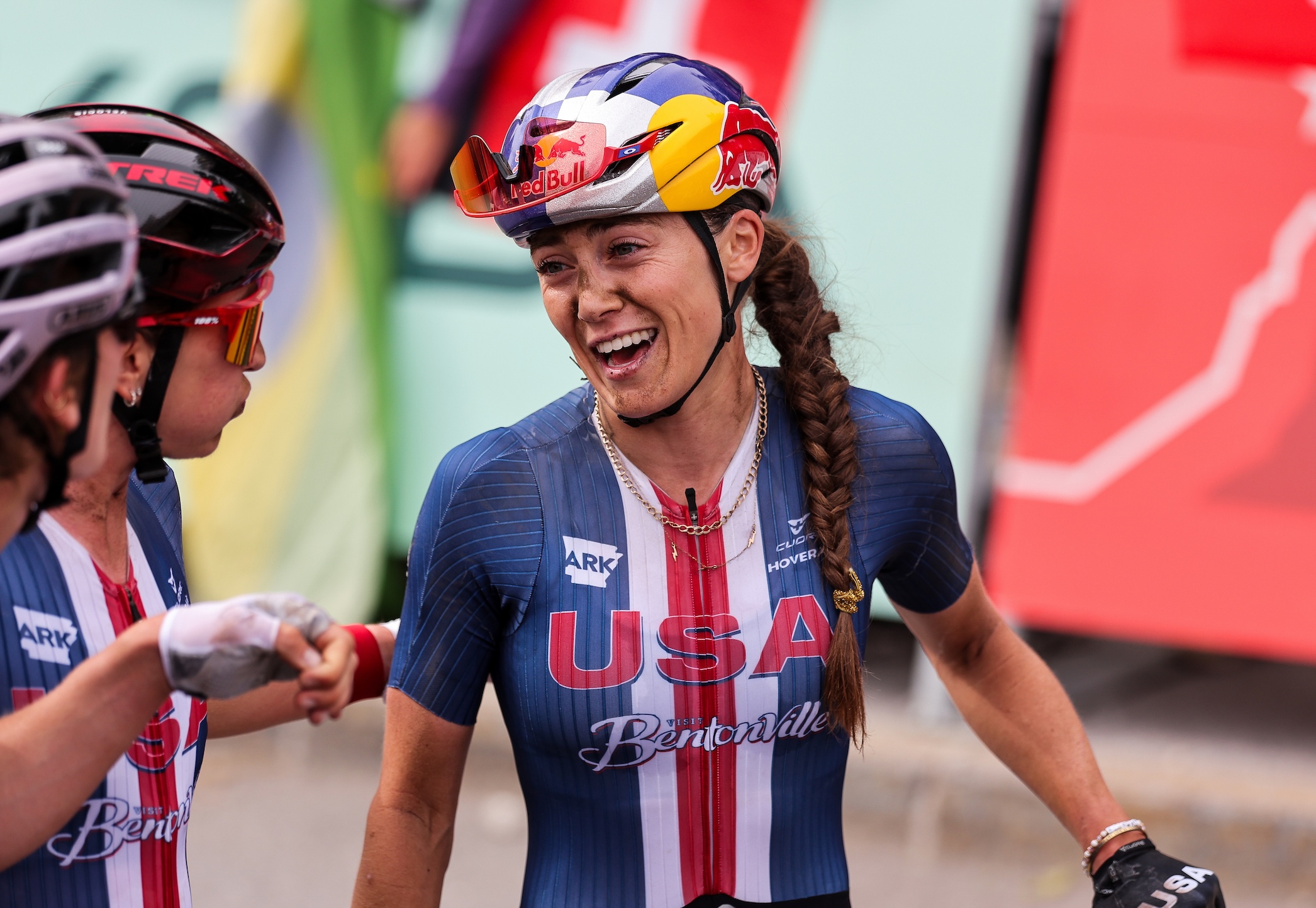
Kate Courtney is the better test case because she is not simply moonlighting. The American mountain bike world champion has moved onto the road with FDJ United-SUEZ, won early on in Europe, took another national title, rode strongly at the Tour of Britain Women and now lines up for Team USA in Montréal. Her switch is genuinely interesting because it is messy, educational and human. She is learning bunch craft, speed, positioning, road hierarchy and the thousand small humiliations of being brilliant at one kind of bike racing and a rookie at another.
That is the version of cross-discipline movement worth defending. The rider drives it. The programme supports it. The story has risk. But once teams realise that a Courtney-type rider might also bring ranking leverage from dirt, the tone changes. Suddenly the question is not, can this athlete grow? It is, can this athlete carry road points and still be commercially legible to sponsors who want a gravel activation in May, a Tour start in July and a rainbow-chasing reel in September?
The UCI Thinks It Has Added A Guardrail. It Has Added A Shopping List.
The top-20 and top-eight limits are meant to stop a road team hiring a pure cyclo-cross specialist, parking them on the roster and farming points while they never touch a road race. Fair. But it also tells teams exactly what to hunt: riders good enough to score on the road, but still dangerous in another discipline. Not specialists. Hybrids. The rare kind who can get over a berg, survive a bunch fight, ride roots without wetting themselves and then sell a shoe sponsor to three different audiences.
- Can our climber score in XCO without ruining the road season?
- Can our classics rider collect gravel Worlds points in October?
- Can our development squad sign cyclo-cross kids before they become expensive?
- Can we turn off-road credibility into road ranking security?
- Can we pretend this is athlete development rather than points laundering?
And before anyone says this is good for mountain biking because it brings money, please remember what usually happens when road money arrives. Salaries rise for a handful of stars. Calendar decisions get warped around road priorities. Sponsors ask for neat stories. National federations start nudging juniors toward the tarmac because the pathway looks cleaner on a PowerPoint slide. The dirt scene gets the prestige, then the bill.
Australia Should Be Watching This Closely
This matters here because Australia produces excellent off-road riders without giving off-road racing anything like the mainstream oxygen it deserves. We have trails, endurance weirdos, privateer grit, strong MTB pockets, gravel races with actual terrain and kids who learn handling before they learn how to sit fifth wheel in a nervous criterium. That is an advantage. It is also exactly the kind of ecosystem road cycling loves to raid while calling it opportunity.
Australian teams, selectors and sponsors should not respond by shoving every promising dirt rider into a road camp and handing them a nutrition plan. The smarter move is to build contracts and programmes that let athletes remain genuinely multi-discipline, not road riders with a dirt side hustle. If a rider is valuable because they can win on loose surfaces, do not train the looseness out of them. If they can descend like they grew up arguing with rocks, do not spend three years turning them into a timid domestique who can do a clean 20-minute test but panics at a rut.
The same goes for gravel. With Nannup hosting Gravel Worlds next month, the temptation will be to call every strong roadie a gravel contender because they can ride tempo on 45s and post a photo with dust on their calves. Spare us. Gravel is not road racing in cargo shorts. MTB is not a skills academy for WorldTour recruiters. Cyclo-cross is not winter interval training with barriers. These disciplines have their own tactics, communities and reasons for existing.
Versatility Is Beautiful. Extraction Is Not.
I love watching Pidcock hop between bikes. I love that Courtney is brave enough to be a beginner in public. I love that the best riders increasingly look less like lab-produced road units and more like bike racers in the old, dangerous, expansive sense. But do not confuse the rider’s freedom with the team’s incentive. The UCI has just attached road value to dirt performance. Once that happens, accountants arrive wearing team polos.
So yes, celebrate the multi-discipline freaks. They are usually the most watchable people in the sport. But keep one eye on who benefits when their results start moving road rankings. If this rule rewards riders for being complete bike racers, brilliant. If it turns MTB, gravel and cyclo-cross into points mines for road teams with bigger buses, then the dirt people should lock the shed.