
Raleigh’s Owner Just Hit The Wall. The Bike Boom Bill Is Due.
Accell, the group behind Raleigh, Lapierre, Haibike and Ghost, has entered insolvency proceedings. This is not nostalgia dying, it is the bike industry learning that debt does not pedal.
The most important cycling story this week did not happen on Ventoux, in a transfer rumour, or under another breathless launch embargo for a bike that looks exactly like last year’s bike but somehow needs a new seatpost. It happened in the accounts office.
Accell Group, the Dutch parent behind Raleigh, Lapierre, Haibike, Ghost, Winora, Batavus, Koga, Sparta, Babboe, Carqon and XLC, has been granted a suspension of payments in the Netherlands and has started local insolvency proceedings for group subsidiaries. In normal cyclist language, the company has hit the wall, missed the bottle, and is now trying to find out whether anyone in the convoy still has a wheel that fits.
This is not some boutique carbon dream that sold 73 gravel frames and a lifestyle newsletter. Accell is the sort of group riders only notice when something breaks. A Lapierre e-MTB battery mount. A Haibike motor interface. A Ghost linkage. A Raleigh commuter that has been doing the school run for years and suddenly needs a proprietary bit that does not live in your local mechanic’s biscuit tin. When a company like that stumbles, the impact is not just corporate theatre. It lands in workshops.
Private equity bought the tailwind. It forgot the climb.
The ugly little punchline is timing. Accell was bought by KKR in 2022 for about €1.56 billion, right near the afterglow of cycling’s Covid boom, when every spreadsheet goblin in a fleece vest looked at bike sales and decided bicycles were the new subscription software. By February 2026, lenders had taken ownership after a restructuring. By April, Accell was still talking about transformation, sharper portfolios and 2027 product previews for dealers. By August, the phrase was insolvency proceedings.
That is not a pivot. That is a skid mark.
The bike boom did not create a bigger cycling culture. It created bigger forecasts, bigger warehouses and bigger debts. Riders are still here. The fantasy demand curve is not.
The industry loves blaming consumers for being fickle. Rubbish. Riders did not demand 19 near-identical e-trekking bikes, three app ecosystems, proprietary cockpit spacers and model-year churn dressed up as progress. Riders bought what was available, then went back to behaving like riders always have: fixing things, upgrading slowly, buying second-hand, and telling mates not to touch anything with a weird battery unless spares are easy to get.
Raleigh is the emotional headline. Haibike is the practical problem.
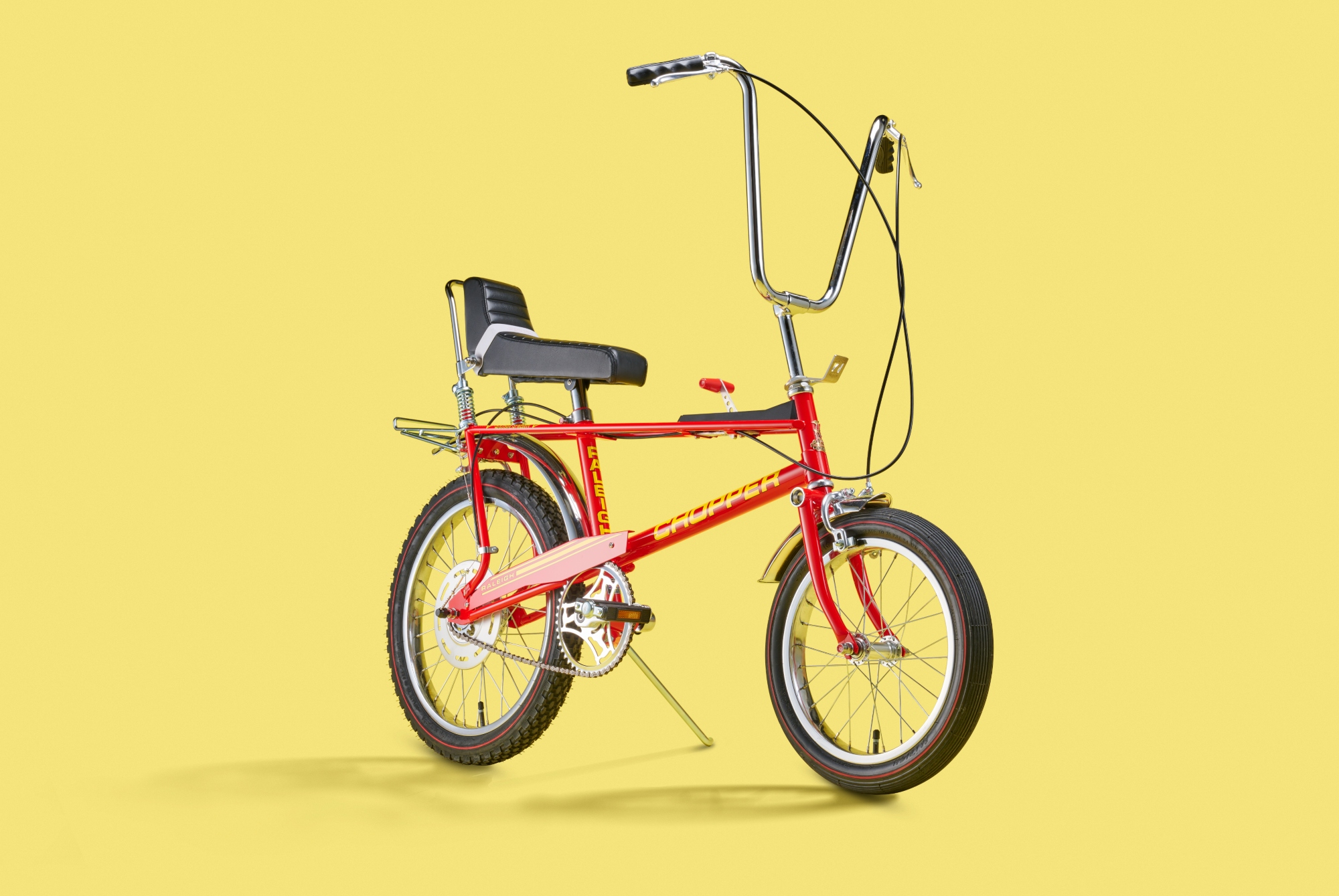
Raleigh gets the newspaper treatment because it is old enough to smell like oil, school sheds and Britain pretending the Chopper was a handling masterpiece. Founded in Nottingham in 1885, Raleigh was once one of the biggest names in global cycling and its TI-Raleigh squad won the 1980 Tour de France with Joop Zoetemelk. Fine. Respect the history. But do not confuse brand mythology with service reality.
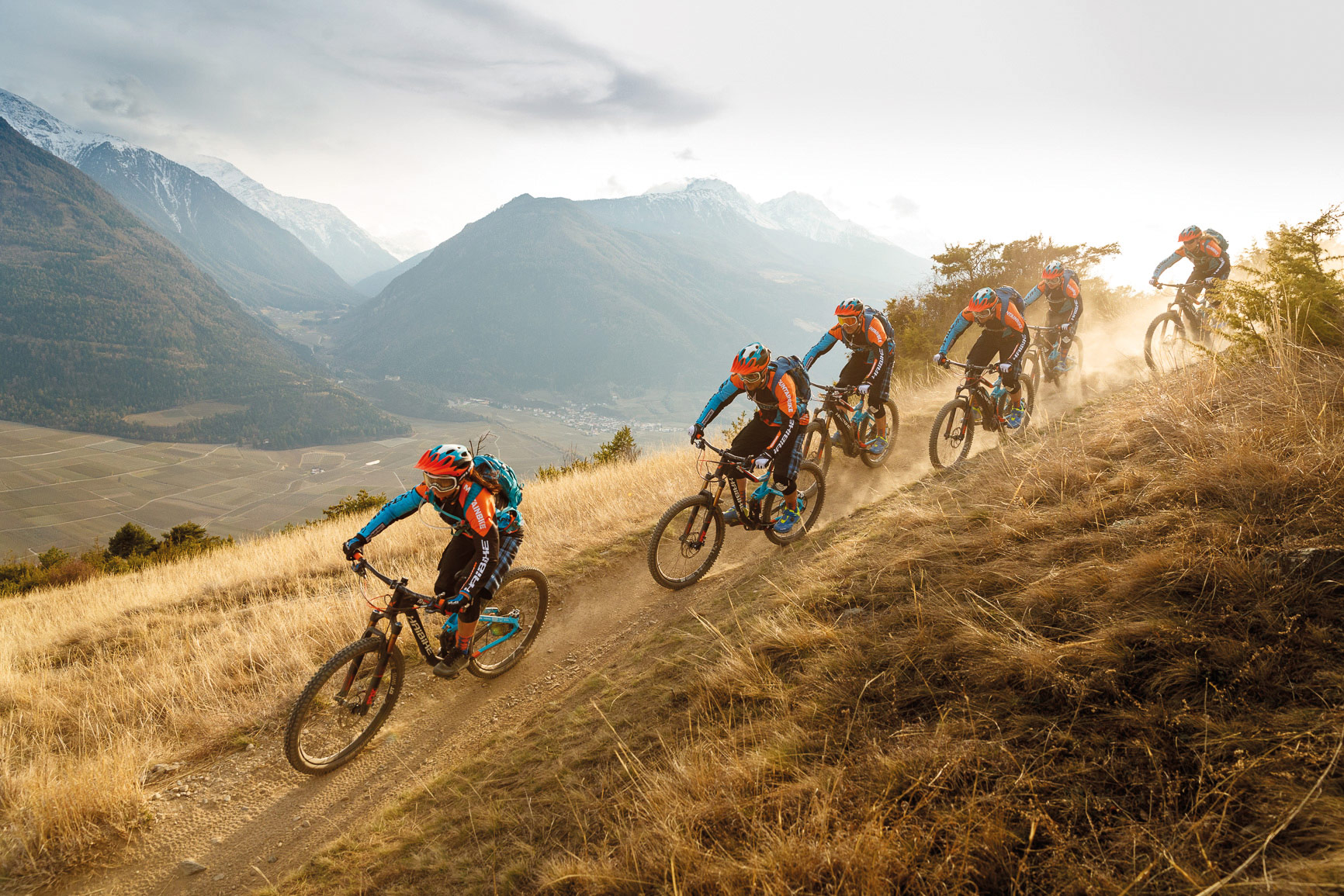
For a modern rider, especially in Australia, the bigger question is not whether the badge makes your uncle misty-eyed. It is whether the bike can be kept alive. Haibike and Lapierre matter here because they sit in exactly the categories where support is everything: e-MTBs, performance mountain bikes, high-end e-commuters and bikes with system-specific parts. A steel Raleigh from the shed can be revived with cables, pads and swearing. A modern e-bike with a dead display, orphaned loom or odd-shaped battery is a very expensive garden ornament.
Australian riders should be watching this closely
The lazy take is that this is Europe’s mess. It is not. Australia imports almost everything with two wheels and a warranty card. Our shops already live in the awkward space between global brand decisions and local customer fury. When a parent group restructures, stalls or sells brands off in chunks, the rider does not ring Amsterdam. They stand at the counter in Brunswick, Burleigh, Belconnen or Bayswater asking why the part has vanished.
This is where the second-hand market gets interesting, and a bit brutal. A lightly used analogue road bike from a shaky parent company might still be a bargain. Bearings are bearings, chains are chains, and most mechanics can keep a sensible bike rolling until the sun eats the tyres. But a discounted e-bike from a wounded brand is not automatically clever buying. It is a bet on batteries, firmware, charger availability, motor diagnostics, dealer access and whether the administrator cares about your commute.
- Can a local shop actually service the motor, suspension or frame hardware?
- Are batteries, chargers, displays and derailleur hangers available now, not theoretically?
- Is the warranty backed by an Australian distributor, the retailer, or a parent company in trouble?
- Does the frame use standard bearings, seatposts, cockpits and axles?
- Would you still want the bike if the logo disappeared tomorrow?
That last question is the killer. Too many riders buy heritage as if it is a spare part. It is not. A brand story will not get you home when the motor throws an error code halfway up a fire road. A Tour de France memory will not replace a cracked linkage. A badge does not true a wheel.
Stop calling every rescue a comeback
There will probably be buyers sniffing around the Accell brands. There are good assets in the pile. Lapierre still has credibility. Haibike still has recognition in e-MTB. Koga and Batavus mean something in European utility cycling. Raleigh, even battered and blurred by decades of brand drift, still has a name most bicycle companies would kill for.
But cycling needs to stop cheering every acquisition as a rebirth. Sometimes a rescue is just a brand being stripped, moved, licensed, rationalised and relaunched with cheaper spec and warmer copywriting. Sometimes the founders are gone, the factories are gone, the engineering team is gone, and the only thing left is a logo with enough emotional charge to move stock through a warehouse.
That is not anti-business. It is pro-bike. The best bike companies are not the ones with the largest portfolios. They are the ones that can make a thing, support it, admit when it was wrong, and still answer the phone in five years. The industry forgot that during the boom. It treated bicycles like quarterly growth objects instead of machines that people ride in rain, crash into gutters, load with kids, race badly, wash poorly and expect to repair.
Accell’s crisis is not the death of cycling. It is the death of a particular fantasy, that you can lever up a heritage-heavy bike empire, ride a once-in-a-generation sales spike, and keep calling it transformation when the road tilts up. Cyclists know better. Tailwinds lie. Climbs tell the truth.
So yes, feel a pang for Raleigh. Worry about Lapierre. Watch Haibike. Spare a thought for the employees and dealers who did not write the debt documents but will cop the phone calls. Then, next time you buy a bike, ask the unsexy questions first. Not how aero it is. Not whether the colourway matches your socks. Ask who will keep it rolling when the finance guys have already ridden away.