
Pogačar Stopped The Vuelta. Race Directors Should Be Mortified.
Stage three of the Vuelta was not beaten by tactics. It was beaten by hail, hesitation, and the uncomfortable sight of the red jersey doing the job the race should have done first.
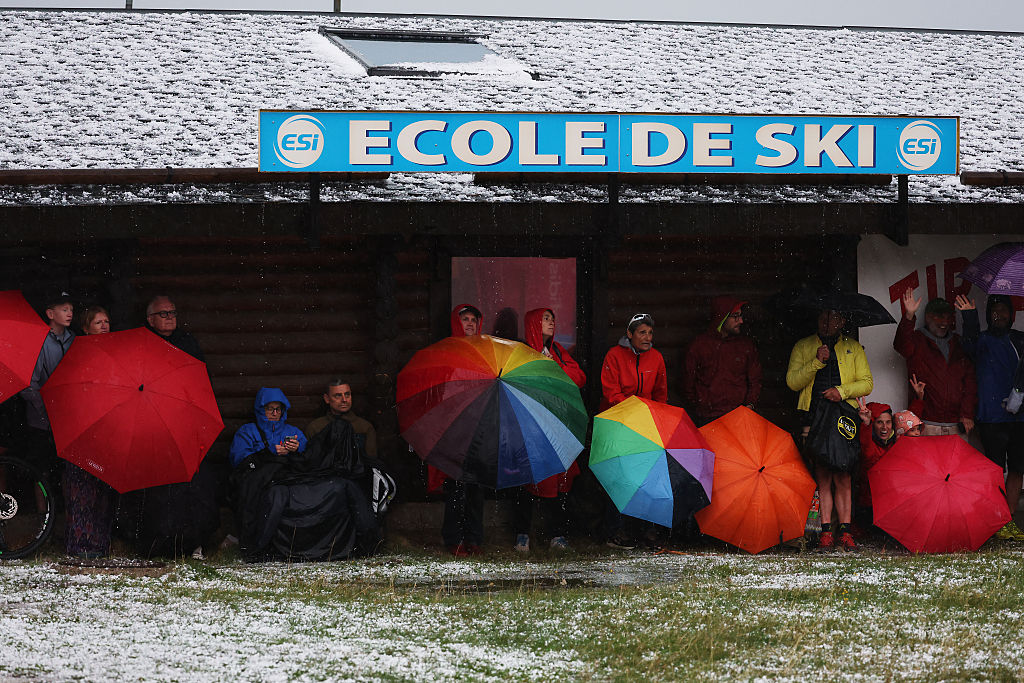
The most powerful rider in the world should not have to become a weather marshal. Yet on Monday 24 August 2026, that is more or less what happened at the Vuelta a España, when stage three from Gruissan to Font-Romeu was neutralised and then cancelled after a hailstorm smashed into the race in the Pyrenees. Tadej Pogačar, in the red jersey, was seen telling the bunch to slow and seek shelter with roughly 15 kilometres remaining. Shortly afterwards, the organisers pulled the pin entirely.
Good. Cancelling was the right decision. Hail on a mountain road is not character building. It is roulette with collarbones, brake tracks, carbon rims and hypothermia. Anyone yelling that riders have gone soft should be required to descend a wet alpine road in race kit while ice pellets bounce off their sunglasses, then explain their philosophy from the emergency department.
But the correct final decision does not excuse the mess that came before it. The ugly bit was not that La Vuelta stopped. The ugly bit was that the stop appeared, to the watching world, to need the authority of Pogačar’s raised hand before it became inevitable. That is not a protocol. That is medieval peloton politics with television helicopters.
The patron is back, and that is a problem
Cycling loves the myth of the patron. Hinault growling, Cancellara waving, Froome arguing, Pogačar now apparently calming a storm-hit bunch like a school captain on excursion. It makes wonderful television because the sport still runs on old-world hierarchy dressed up in sponsor logos. The strongest rider is not only expected to win. He is expected to interpret danger, police behaviour, and occasionally negotiate with God.
That is nonsense. Pogačar is paid to race a bike, not to act as mobile risk management for an event with motorbikes, weather data, commissaires, radio channels, helicopters, convoy directors and a route book thicker than a workshop manual. If the situation was dangerous enough for the red jersey to intervene, it was dangerous enough for the race to have already made a clear call.
If the safest person in the race is the one with the most to lose, your safety system is upside down.
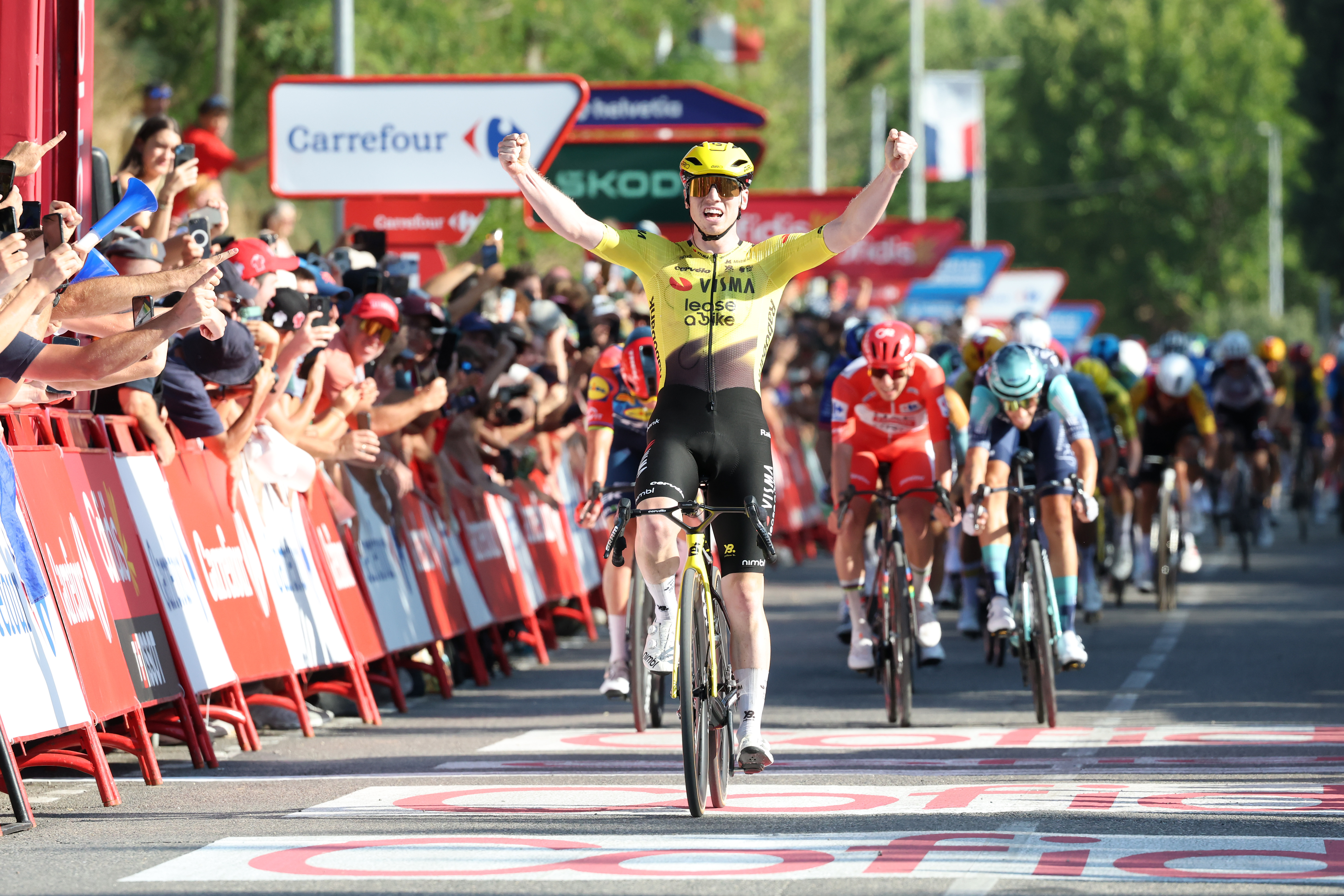
The first summit finish of this Vuelta was meant to put a shape on the race. UAE Team Emirates-XRG had been controlling the day. Pogačar had already taken red in Monaco, Matthew Brennan had detonated the sprint in Manosque on Sunday, and Wout van Aert sat close enough on GC to keep the early narrative spicy. Instead, the race got no stage winner, no time gaps, and a freeze-frame that will outlive whatever happened in the first 150 kilometres.
Race radio is not a weather policy
There is a lazy defence that always appears after these incidents: conditions changed quickly. Of course they did. Mountains do that. Ask anyone who has ridden in Victoria’s high country, Tassie, the Snowies, or a spring gravel event where the start line is sunscreen and the finish line is trench foot. Weather does not owe a stage race a clean narrative.
That is precisely why a Grand Tour must have a visibly boring, brutally clear weather protocol. Not vibes. Not a conference between directors in moving cars while half the peloton is already soaked. Not a moral referendum conducted through hand signals. A protocol. Thresholds. Communication. Pre-declared safe zones. Neutralisation points. Timelines for restart or cancellation. A way for riders to understand what is happening without guessing whether the bloke in red has just seen a biblical warning sign up the road.
The Vuelta’s official line was simple: riders were heading towards the first summit finish in Font-Romeu, had to stop and seek shelter because of hail and extreme weather, safety came first, stage cancelled, race resumes on Tuesday 25 August with 104.8 kilometres around Andorra la Vella. Fine. But official simplicity after the fact is not the same as operational clarity in the moment.
- A published extreme-weather decision tree that teams and broadcasters can understand before kilometre zero.
- Named safe shelter points on mountain stages, not improvised hotel raids when the sky opens.
- Automatic neutralisation triggers for hail, lightning and standing water on descents.
- A hard rule that GC leaders are consulted as riders, not treated as unofficial commissaires.
- Broadcast honesty. If the race is unsafe, say it plainly instead of selling confusion as drama.
The sport wants epic. The weather does not care.
The weird poetry of the day is that La Vuelta had also been talking about its route as an open-air stadium and asking fans to help prevent fires along the course. By afternoon, that same open-air stadium had turned into an ice machine. That is modern race organisation in one savage postcard. The problem is not just heat, or cold, or rain, or hail. The problem is volatility, and cycling’s habit of pretending volatility is still just scenery.
We keep designing races as if suffering is automatically noble. The steeper the better, the higher the better, the more exposed the better, the closer to the edge the better. Then the edge arrives and everyone acts shocked. Promoters sell landscape. Sponsors sell heroism. Fans want chaos, until chaos starts looking like negligence.
This matters in Australia too, and not only because Jay Vine was sitting in the early Vuelta top ten before the stage was scrubbed. Our calendar is full of exposed roads, hot bitumen, sudden storms, dusty gravel, remote MTB loops and community events run by volunteers doing heroic work on budgets that would barely cover a WorldTour team’s coffee machine. If the richest end of the sport cannot make weather calls look professional, what example is it setting for everyone else?
Before someone gets defensive, no, this is not an argument for bubble-wrapping racing. I ride because bikes make weather personal. Wind on the nose, rain in the shoes, heat coming off the road, the whole grubby negotiation is part of the deal. Racing should be hard. It should not be stupid. There is a difference between a rider cracking on a climb and a rider being asked to gamble against hail because the television slot is still live.
Tomorrow cannot simply pretend today did not happen
Stage four around Andorra la Vella is short, mountainous and potentially explosive, with the Collada de Beixalis sitting there like a nasty little invoice. The GC fight will restart. Pogačar will probably look infuriatingly fresh. Van Aert will find some new way to make a non-GC day look personal. Brennan will still have his first Grand Tour stage win tucked away from Sunday. The race will move on because stage races always do.
But Monday’s cancellation should not be filed as a freak incident and forgotten by Wednesday. The defining image of stage three was not hail on the road. It was authority arriving from inside the bunch instead of from the structures built around it. That should embarrass every organiser with a weather app, a radio channel and a sponsor village.
Pogačar stopping the Vuelta made him look sensible. It made the sport look improvised. The next time the sky turns ugly, cycling needs less theatre, fewer legends of the patron, and a race director confident enough to make the call before the champion has to.