
New Zealand Sent Its Worlds Team An Invoice. That Should Embarrass Everyone.
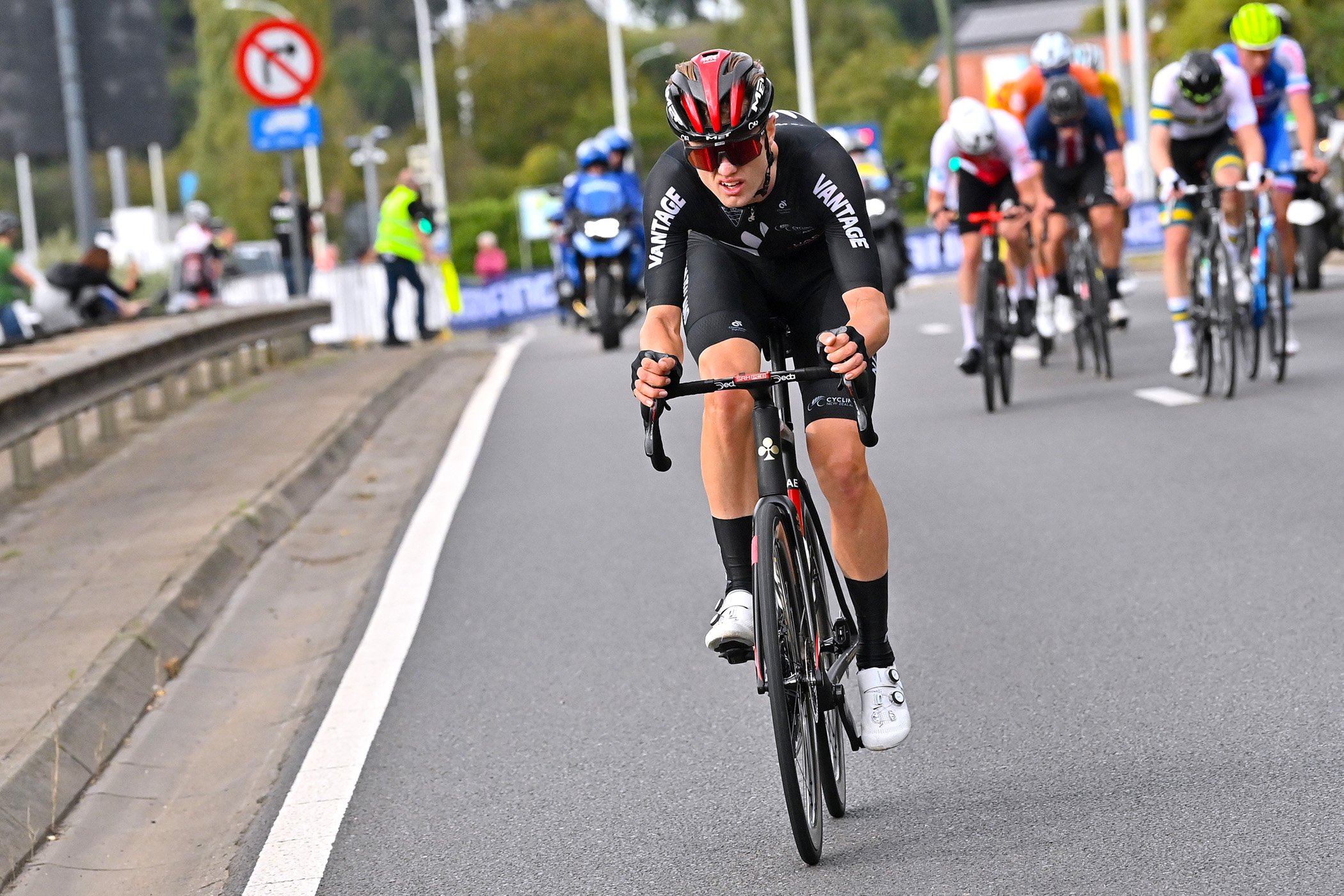
Finn Fisher-Black is going to Montréal with form, ambition, and apparently a bill. If Oceania wants road medals, stop treating road squads like self-funded backpackers with nicer socks.
There is a sentence sitting inside New Zealand’s 2026 Road Worlds story that should make every cycling administrator on this side of the planet cough into their branded polo. It is not about wattage. It is not about tactics. It is not even about whether Finn Fisher-Black can survive the Montréal climbs with enough snap left to sniff a top ten.
It is this: New Zealand’s elite road riders are paying their own way to the UCI Road World Championships in Canada. Not juniors doing a development trip. Not some club composite squad heading to Belgium with a Bunnings sausage sizzle behind it. Elite national representatives, including WorldTour professionals, selected to wear the fern at the biggest one-day race outside the Olympics, are being told the privilege comes with an invoice.
The fern should not come with a surcharge
Cyclingnews reported on Tuesday 15 September 2026 that Fisher-Black said the policy had not changed for Montréal. Cycling New Zealand’s own selection language is blunt enough to need no lawyerly translation: riders must fund themselves to attend and compete. Fisher-Black called it a strange dynamic. I would call it a failed model wearing a tracksuit.
When a national team asks elite riders to buy their own ticket to Worlds, it stops being a high-performance program and starts looking like a GoFundMe with flags.
The absurdity is sharper because this is not a country without road talent. Fisher-Black has just come out of a Vuelta a España where he worked for Primož Roglič at Red Bull-Bora-Hansgrohe and still wants to arrive in Montréal with enough left to fight deep into the final. His sister Niamh Fisher-Black took silver in the elite women’s road race last year, a result New Zealand cycling should have framed, laminated and carried into every funding meeting in Wellington. Instead, apparently, the answer is still: lovely medal, now please enter your card details.
This is not just a Kiwi problem. Australia should not smirk.
Australians love a trans-Tasman superiority complex, particularly when it involves sport and a spreadsheet. Careful. We have more government support, more institutional heft, a bigger population and a national team structure that looks polished by comparison. AusCycling has named a serious Montréal squad: Sarah Gigante back in green and gold, Amanda Spratt heading to her final Worlds, Michael Matthews starting his 14th elite road race, Ben O’Connor, Jai Hindley, Jack Haig, Michael Storer and a mixed relay program chasing another big result. Good. That is what a cycling nation with ambition should look like.
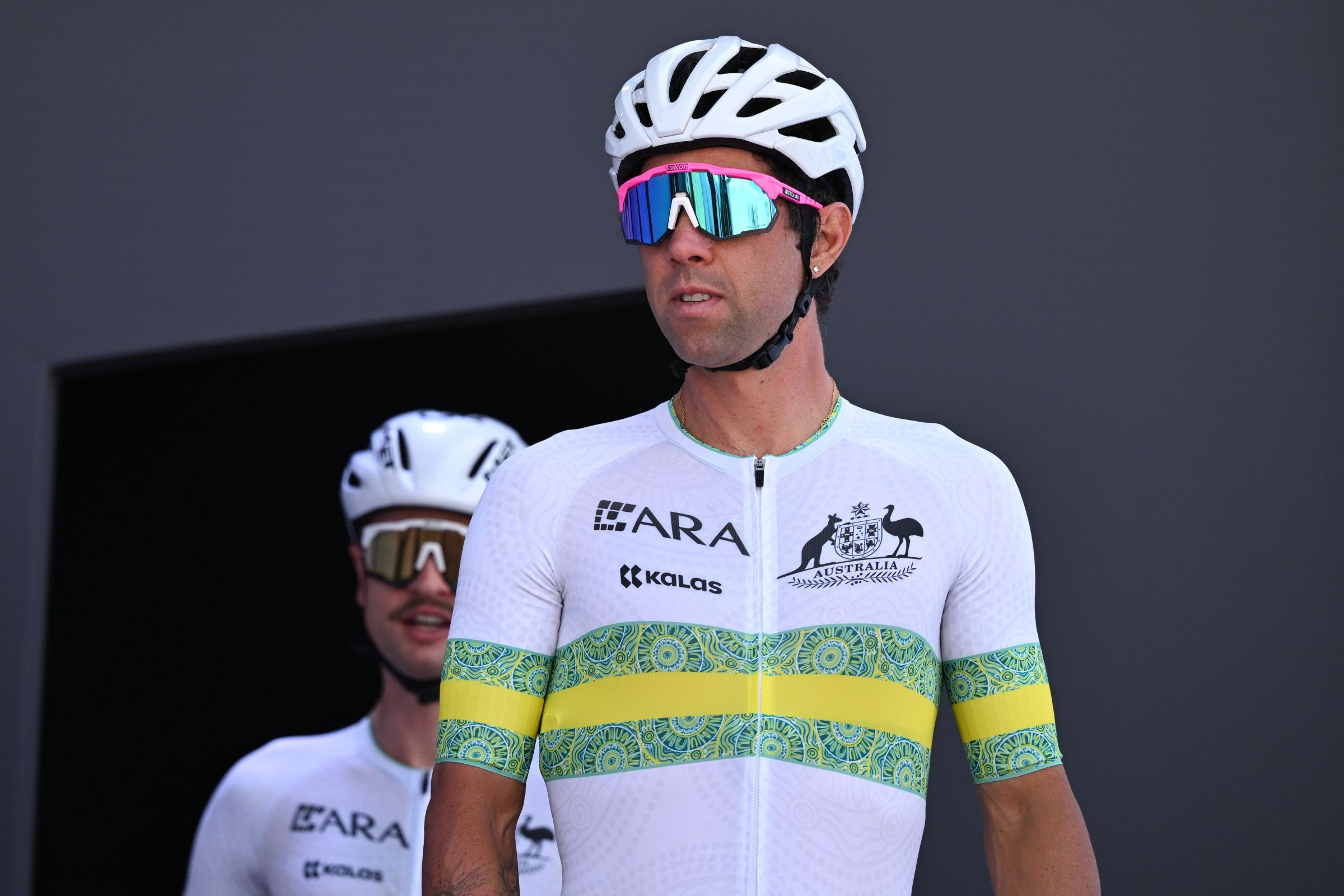
But do not confuse being better resourced than New Zealand with being properly serious about road cycling. Australia still treats road racing like a glamour side hustle until July ratings spike or a rainbow jersey drops into the national lap. We cheer the mixed relay when it wins. We post the podium shots. We tell juniors the pathway is real, then watch domestic races fight for permits, sponsors, police support, volunteers and relevance. The difference is that Australia can still hide its contradictions under a bigger tent. New Zealand’s tent is smaller, so the holes are easier to see.
Track gets the medals, road gets the invoice
This is the old Olympic sports problem in lycra. Funding follows medal probability. Medal probability follows funding. Track cycling offers tidy lanes, controlled variables, Olympic conversion and nice PowerPoint confidence. Road cycling offers weather, crashes, trade-team politics, 260 kilometres of chaos and a winner who may have attacked while the favourites were arguing over who should chase. Administrators hate that. Accountants hate it more.
So the track program becomes the respectable child. Road becomes the talented cousin sleeping on a couch in Girona. The logic is understandable right up until it becomes self-defeating. If you only fund what already looks predictable, you guarantee that the unpredictable bits never mature. You do not build a road culture by waiting for a rider to podium despite the system and then pretending the system worked.
Niamh Fisher-Black’s silver should have been the alarm bell. Not a cute story about resilience. Not a plucky Kiwi postcard. A warning. If a rider can reach a Worlds podium from a structure that still leaves road athletes self-funded, imagine what could happen if the structure stopped making them drag the national program behind them like a sticky brake rotor.
The tactical damage is real
People who have never raced love to pretend money is separate from performance. It is not. If every rider has paid to be there, the team contract changes. You may still ride for your mates. You may still chase for the jersey. But deep in the final, when the legs are barking and someone asks you to bury yourself for another rider’s move, the little private accountant in your skull starts talking. I paid for this. My trade team pays my wage. My result matters. My future matters.
That is not selfishness. That is rational behaviour created by weak governance. National teams are meant to buy collective purpose. Flights, staff, logistics, mechanics, soigneurs, food, recon, radios, medical support, all of it is not just service. It is a psychological transaction. The federation says: we believe this race matters enough to invest. The rider says: then I will empty myself for the plan.
- Your national jersey is meaningful, but not quite meaningful enough for the budget.
- Your trade team can develop you, fly you, feed you and protect you, then the country can borrow you for prestige.
- Your loyalty is expected collectively, while your costs are handled individually.
- Your result will be celebrated as national success, even if the preparation was personal admin.
Montréal makes the contradiction impossible to ignore
The 2026 Road Worlds run from 20 to 27 September in Montréal, with time trials, under-23 races, juniors, the mixed relay and elite road races built around the city’s climbing streets and Mont-Royal. It is not a token course. It is hard enough to reward complete bike riders, the ones who can climb, position, suffer and still punch after hours of civic furniture and road paint. That should suit nations like Australia and New Zealand, where riders grow up learning to improvise because nothing is handed to them cleanly.
Which is exactly why this stings. Oceania produces hard riders because the environment is hard. Distance is hard. Money is hard. Calendar access is hard. The mistake is romanticising that hardship until it becomes policy. Hardship can forge a rider. It can also waste one.
Fisher-Black should arrive in Canada thinking about the last climb, not the balance sheet. Niamh Fisher-Black should be treated as proof that New Zealand road cycling is investable, not as evidence that athletes can sort themselves out. Australia should look across the ditch and see a warning, not a punchline. Because the moment public money tightens, sponsors get nervous or Olympic priorities shift, road is always the first discipline told to tighten its shoes and be grateful.
Stop calling it pathway if the rider pays the toll
Cycling loves the word pathway because it sounds smoother than it is. Pathway suggests a line. A surface. Maybe even signage. For many road riders in this region, it is still a goat track with a boarding pass at the end. The best ones make it anyway, which lets federations confuse survival with success.
Here is the unpopular bit: if a federation cannot fully fund every road ambition, fine, be honest. But stop selecting elite Worlds teams as if symbolism alone pays for performance. Fund fewer riders properly. Build a specific road endowment. Ring corporate Australia and New Zealand with something sharper than Olympic buzzwords. Sell the fact that road cycling is the sport people actually recognise from their screens, their bunch rides and their café arguments. And when a rider wins a major medal, do not just post the photo. Change the budget.
The fern should not be a bill. The green and gold should not become one either. Montréal is about to hand out rainbow jerseys, but before the first time trial starts on 20 September, New Zealand has already given cycling the ugliest result of the week: proof that even at the top, too many riders are still expected to pay for the privilege of making everyone else look serious.