
Decathlon Built A Women’s Team. The Charity Era Is Over.
The smartest cycling move this week was not another Vuelta hype reel. It was Decathlon quietly building a women’s ProTeam that looks less like a sponsorship gesture and more like a factory.
The Vuelta is two days away, Monaco is polishing its yacht decks, and the usual chorus is already clearing its throat for three weeks of Pogačar, Roglič and suspiciously expensive sunglasses. Fine. We will get to the red jersey circus soon enough. But the more interesting power move in cycling right now is not happening on a harbourfront time trial ramp. It is happening inside a French team structure that has worked out something the rest of the sport still pretends is complicated: women’s cycling is no longer a cause. It is an asset.
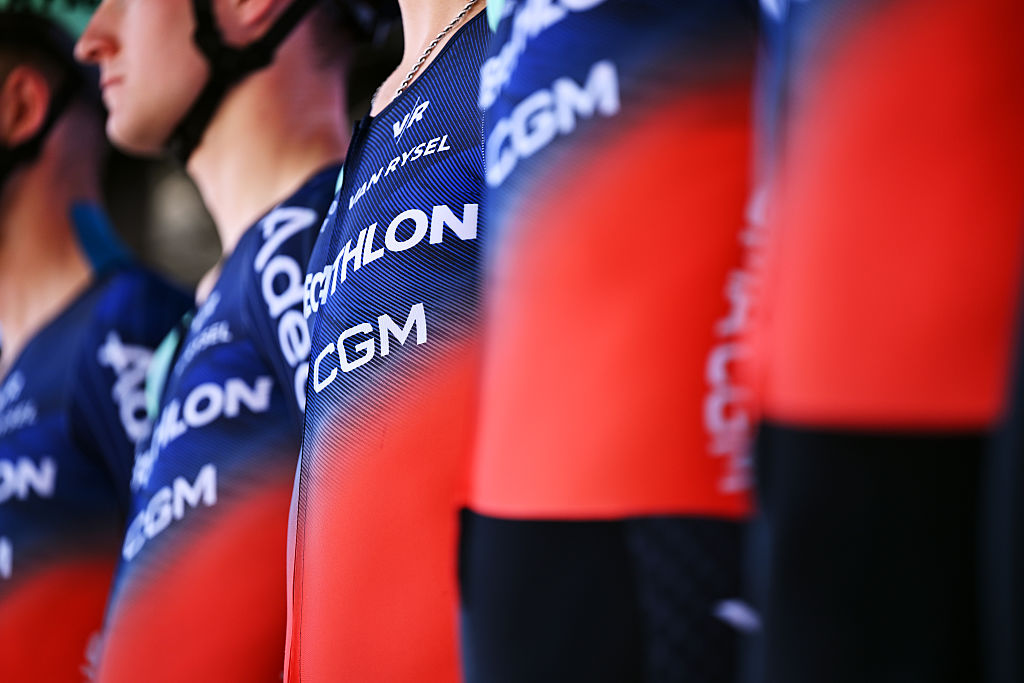
Decathlon CMA CGM has confirmed it will launch a women’s ProTeam in 2027. Not a hashtag. Not a token kit reveal with three development riders and a vague promise about inspiring girls. A 12-rider squad, plugged into the same performance centre as the men’s WorldTour outfit, wearing Van Rysel, sitting inside the NewGen programme, with a stated ambition to climb toward the Women’s WorldTour. Cyclingnews now reports the roster is already largely filled, while the broader women’s transfer market is bubbling with Kasia Niewiadoma-Phinney expected to leave Canyon-SRAM and major teams shopping hard before 2027.
This is not philanthropy. It is vertical integration.
That distinction matters. For years, women’s cycling has been sold to boardrooms as a reputational sweetener. Cheap exposure, good optics, nice photos, lower wage bill. The pitch was basically: support women because it makes your brand look less prehistoric. Decathlon’s version is more ruthless and therefore more promising. It is a retailer, bike maker, team owner and product laboratory building a pipeline that can test bodies, bikes, clothing, logistics and marketing under one roof. If that sounds corporate, good. Romance did not buy wind-tunnel time.
The women’s squad will share resources with the men, including the Savoie performance centre and the Van Rysel equipment link. That is the line that should make the industry sit up. The game is shifting from sponsorship to systems. Canyon-SRAM has understood this for years, building identity, Generation development, equipment relevance and now banking backing through Scalable Capital. FDJ United-Suez has shown what happens when heavyweight sponsors stop treating the women’s calendar as a boutique side project. Lidl-Trek did not become serious by accident. SD Worx-Protime did not dominate because it had pretty bib shorts. Structure wins.
The brutal truth is that women’s cycling does not need more sympathy. It needs more factories, more mechanics, more contracts and fewer men in fleeces explaining patience.
The ProTeam label is not small beer
Some will sniff at Decathlon starting at ProTeam level rather than marching straight into the Women’s WorldTour. That is lazy. A good ProTeam with access to a proper performance engine is more valuable than a hollow top-tier badge held together by underpaid staff and borrowed vans. The second division is where women’s cycling can build actual depth, provided the UCI and race organisers stop treating it like a waiting room. If Decathlon gets Tour de France Femmes invites, develops riders from road, cyclocross and mountain bike, and then steps up when the sporting case is real, that is not timidity. That is engineering.
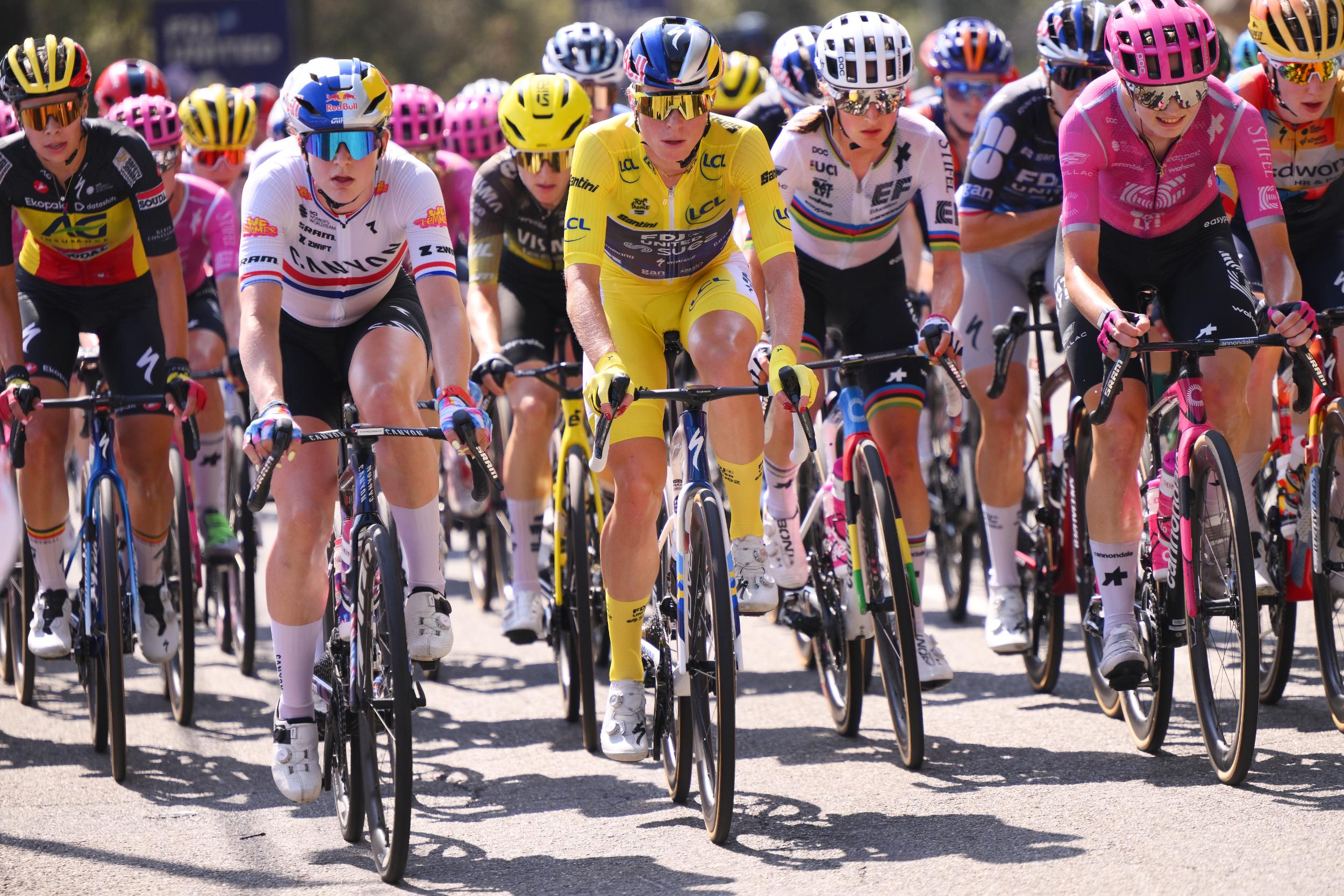
And before anyone starts with the old line about there not being enough elite riders to sustain more big teams, have a look at the racing we have just had. The 2026 Tour de France Femmes was chaotic in the best way, with multiple yellow jerseys, proper tactical mischief, sprint days that refused to behave like conveyor belts, and enough climbing punch to make the men’s race look like a museum exhibit at times. Then, almost immediately, the calendar falls into one of its familiar holes. After the Tour, there are only scraps of Women’s WorldTour racing before the Worlds build-up and the late-season run. The sport has created a premium product and then still shelves it like a winter jacket in January.
That is why Decathlon matters. More properly built teams mean more pressure for properly built calendars. Sponsors do not pour serious money into a programme so their riders can disappear into training camps after one marquee race. They want race days, broadcast days, shop-floor relevance and product proof. Van Rysel will not learn enough by hanging frames in a lab and waiting for a press embargo to lift. It needs riders smashing them through crosswinds, lousy roads, nervous bunches and bad weather. Women’s racing is not just a moral project. It is R and D with elbows.
Australia should be taking notes, not clapping politely
This is where the Australian angle bites. We love congratulating ourselves when an Aussie woman makes it to Europe, then quietly ignore the structural mess she had to survive to get there. We produce talent, yes. We also rely too much on talent being stubborn enough, rich enough, connected enough or geographically lucky enough to escape. Decathlon is showing a different model: link juniors, development, equipment, coaching, medical support and racing identity under a single roof. It is not romantic. It is better than romantic. It is repeatable.
Australian cycling does not need to copy France, because we do not have France’s density, calendar or sponsor culture. But our shops, clubs, state institutes, brands and event promoters should recognise the lesson. Pathways are not press releases. A pathway is a mechanic at the race, a coach who knows the athlete, a bike that fits, a calendar that progresses, a contract that does not insult the rider, and enough certainty that a 19-year-old woman does not have to become her own travel agent, sports scientist and accountant before she has learned how to hold position in a gutter.
The bike industry finally has skin in the game
The best part of the Decathlon play is also the bit traditionalists will hate. It makes the bike brand central. Van Rysel is not just a logo on shorts. It is the hardware spine of the project. That is dangerous for complacent premium brands, because Decathlon has spent the past few years proving it can make race equipment that no longer deserves the old supermarket sneer. If its women’s team starts winning, or even just developing obvious future winners, the message to the market is savage: performance credibility is no longer reserved for heritage brands with Italian vowels and frightening invoices.
- Women’s teams are becoming performance platforms, not charity appendages.
- Development structures are now commercial weapons.
- Bike brands want race feedback from women because the market is too big to patronise.
- The ProTeam tier could become the most interesting battleground in the sport.
- Australia needs systems that do not depend on heroic individual escape stories.
So yes, watch the Vuelta. Argue about Pogačar. Pretend the Monaco start is normal and not a perfume ad with derailleurs. But do not miss what Decathlon is doing in the background. The team has read the room. Women’s cycling has moved past the begging bowl phase. The next fight is ownership, structure and product power. Decathlon has just put a full retail machine behind that fight.
The charity era is over. Good riddance. Now build the factories.