
Campagnolo Took The Money. Your Romance Was Never Going To Pay The OEM Invoice.
Campagnolo selling a minority stake is not a tragedy. It is a confession that beautiful Italian heritage does not shift enough complete bikes in a Shimano and SRAM world.
Campagnolo has finally done the thing its most romantic disciples insisted it would never need to do. On 2 September 2026, the Vicenza component maker announced a strategic minority investment from SPAC SA, a Swiss private investment holding company already tied to cycling assets including Pinarello. The Campagnolo family keeps majority control. Operations stay in Vicenza. The official language is all renewal, resources, innovation and continuity.
Fine. But strip off the press-release cologne and the smell is unmistakable. Campagnolo needed money, muscle and relevance. Not because its parts stopped being desirable, but because desire is not a purchase order from Trek, Specialized, Giant or the next mid-market carbon brand trying to hit a retail price with Shimano already bolted into the spreadsheet.
The cult was never the customer
There is a certain cyclist, and every bunch ride has one, who still says Campag like he is ordering espresso in a town square. He remembers thumb shifters, polished alloy, Record hubs that spun like gossip, and the religious satisfaction of a perfectly adjusted mechanical derailleur. He also has a garage full of old tools no apprentice mechanic under 25 has ever seen.
That rider matters culturally. Commercially, he is not enough. The modern drivetrain war is not won by forum poetry. It is won by OEM placement, electronic ecosystems, app support, battery logic, warranty confidence, shop familiarity, and the brutally boring question of whether a bike brand can buy 40,000 groupsets on time without making its product manager sweat blood.
Campagnolo’s problem has not been that riders hate it. The problem is that too few new bikes arrive with it. Shimano became the default. SRAM became the disruptor. Campagnolo became the upgrade you explained to your partner after the credit card statement arrived.
Heritage is lovely on a downtube badge. It is useless when the complete-bike buyer wants electronic shifting, quick supply, dealer support and margin.
Pinarello in the room
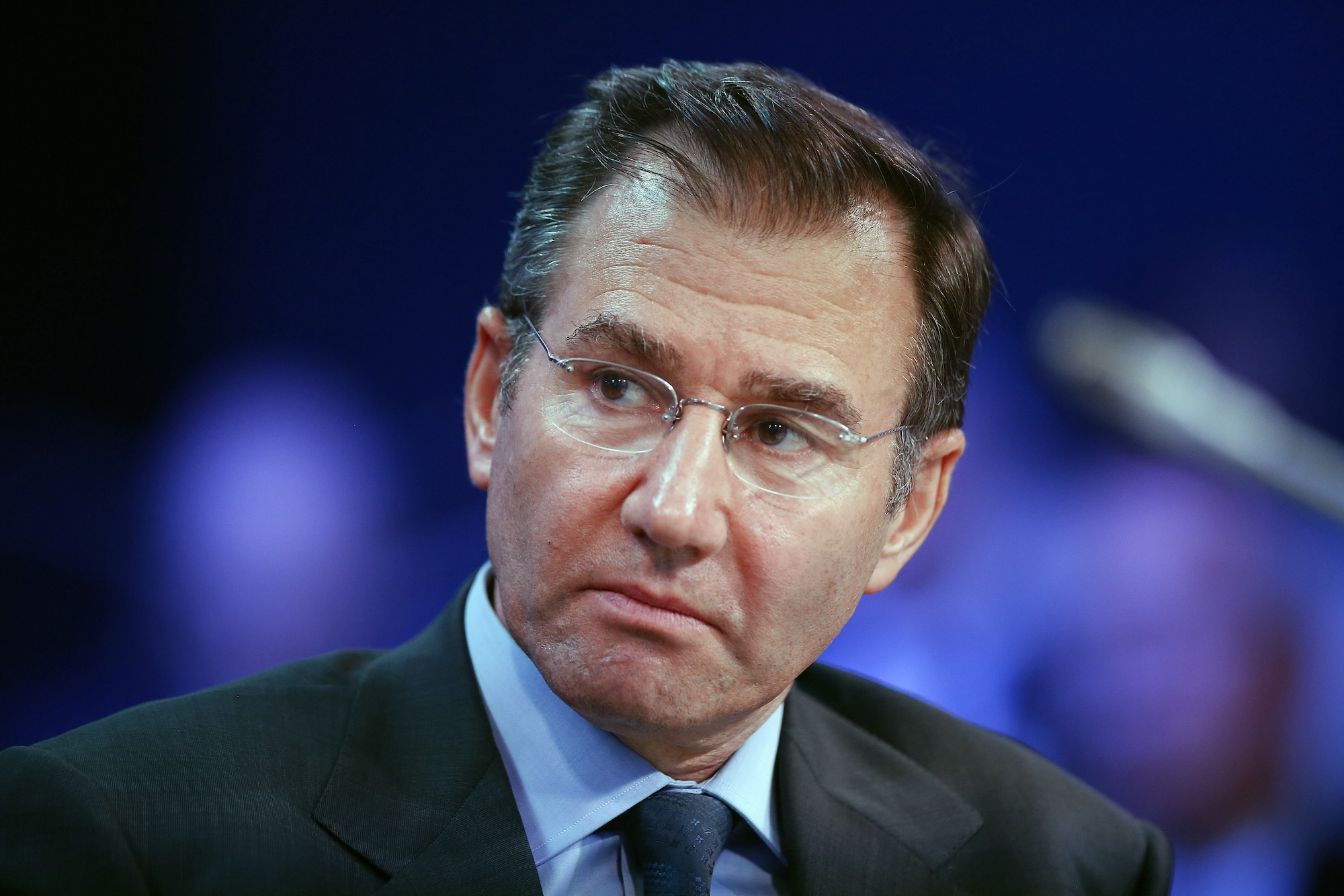
The spicy bit is obvious. SPAC has other cycling investments, including Pinarello, and the whole thing points toward the gravity well around Ivan Glasenberg, the mining billionaire who has become one of cycling’s strangest power brokers through Pinarello and the Pinarello Q36.5 project. Campagnolo says it will remain entirely independent from SPAC’s other cycling interests. That sentence is probably true in a legal sense. It is also exactly the sentence everyone writes when the obvious strategic overlap is sitting at the table eating the cannoli.
Do not be naive. A premium Italian frameset brand, a premium Italian drivetrain brand, a wealthy backer, and a pro team hunting credibility are not just random dots on a corkboard. Even if Campagnolo never becomes a captive Pinarello supplier, the direction of travel is obvious. Campag needs pro visibility again. Pinarello Q36.5 needs identity beyond rich-man ambition. A Dogma on Campagnolo in the WorldTour would be less a nostalgia play than a billboard saying the Italian luxury stack is back.
And honestly, good. Cycling is better when the bike under a pro actually tells you something. The peloton has become a grey soup of aero forks, integrated bars and black chainrings. If Campagnolo can muscle back into racing with proper support and not just a heritage cameo, the sport wins. Mechanics will swear, weight weenies will argue, YouTube will foam at the mouth, and we will at least have something to talk about other than tyre pressure and ketones.
This is not the death of Campagnolo. It is the end of the fairy tale.
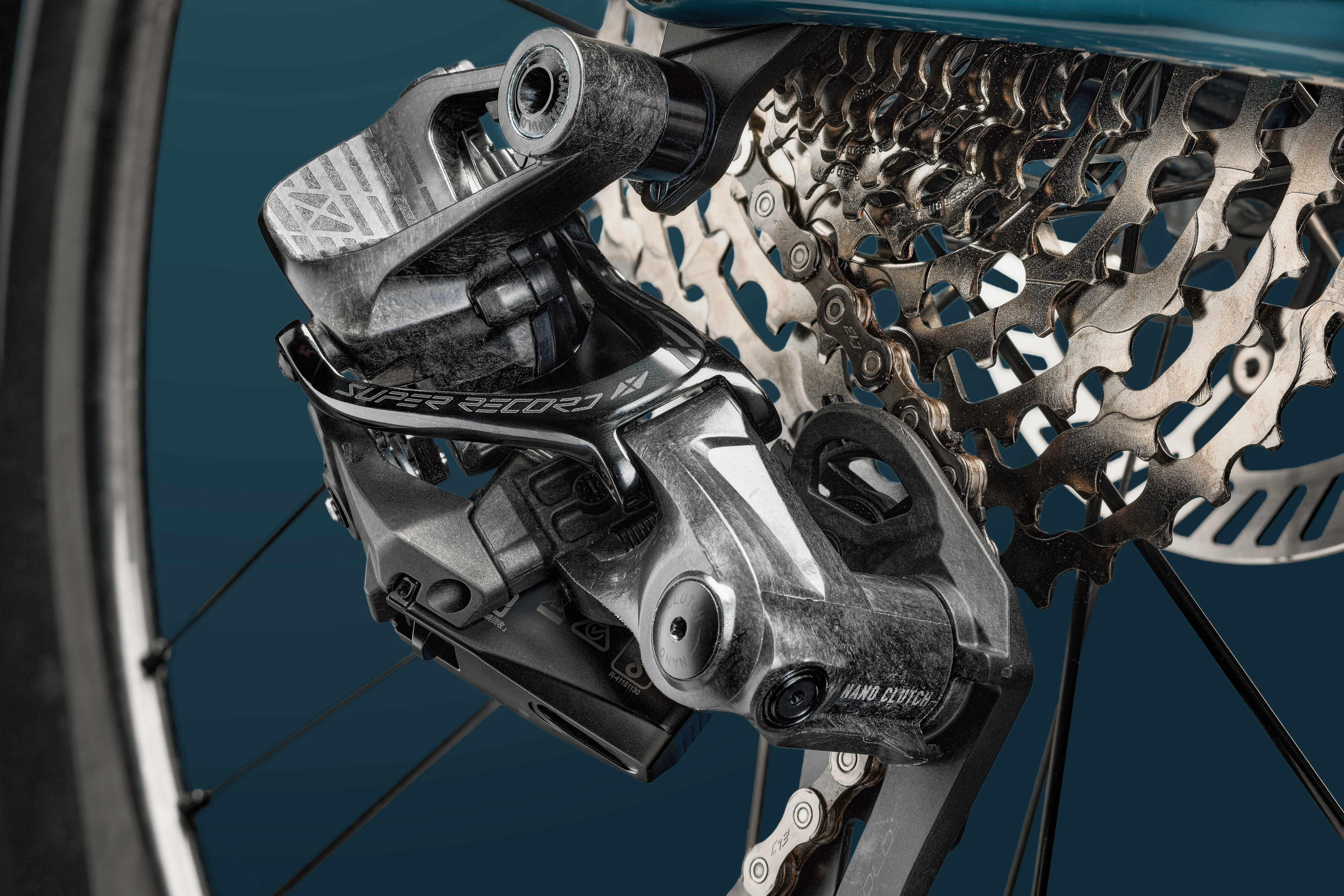
The mistake is treating outside capital as contamination. That is childish. Campagnolo has been around since 1933, but longevity does not exempt a company from software development, electronics investment, carbon wheel production, distribution headaches and the savage economics of modern bike manufacturing. Super Record Wireless arrived in 2023. Super Record 13V followed in 2025. Record was refreshed in 2026 to fill the giant hole between dream-bike jewellery and real-world premium builds. That is progress, but progress costs money.
The more interesting question is what Campagnolo does with the money. If it simply polishes the altar, charges superbike prices and expects loyalists to kneel, it deserves to remain niche. If it uses this injection to fix availability, rebuild OEM confidence, support workshops, sharpen Fulcrum, and make electronic groupsets that feel less like a collector’s decision and more like a rational purchase, then this deal might be the best thing to happen to the brand in a decade.
What Australian riders should watch
- Whether Campagnolo appears on more complete bikes, not just custom dream builds.
- Whether Australian distributors and shops get better access to spares, batteries, chains and cassettes.
- Whether Pinarello Q36.5 or another serious squad puts Campagnolo back under WorldTour-level pressure.
- Whether pricing stops treating every rider like a dentist with a Tuscan villa.
- Whether the gravel and endurance market gets practical gearing without needing a seminar in Italian compatibility.
That third point matters more than the romantics admit. Pro racing is not just marketing fluff for drivetrain brands. It is a torture lab with TV cameras. If Campag wants to be believed again, it needs riders smashing shifts under load in filthy weather, mechanics swapping wheels in panic, and rival sponsors quietly checking what ratios are being used. The café crowd can forgive a lot. A WorldTour mechanic at 11pm before a mountain stage cannot.
The Australian shop test
Here is where the romance hits the workshop floor in Australia. A rider walks into a shop in Melbourne, Adelaide, Hobart or Newcastle with a premium Campagnolo build. The mechanic either smiles because parts, tools and knowledge are available, or he gives that dead-eyed look usually reserved for internally routed brake hoses and mystery e-bike error codes. That moment decides whether Campagnolo is a living brand or a museum exhibit with firmware.
Australian buyers are not anti-Campag. We love a good object. We also live a long way from Vicenza. If the cassette is two months away, the chain costs silly money, and the local shop has to watch three videos before pairing the derailleur, the romance evaporates. Not because the product is bad, but because riding time is finite and nobody wants their Sunday bike immobilised by Italian mystique.
That is the real test of this investment. Not whether the press release sounds respectful. Not whether purists can keep pretending nothing has changed. Campagnolo now has outside capital in the tent, a possible pathway back to racing relevance, and no excuse to behave like scarcity is a brand strategy.
I hope it works. Not because I want every bike to be expensive Italian theatre, but because Shimano and SRAM need a proper fight. Cycling gets dull when two giants divide the drivetrain aisle and everyone else becomes boutique seasoning. Campagnolo should not be protected by nostalgia. It should be forced, funded and frightened into becoming dangerous again.
So mourn the old fairy tale if you must. Light a candle for the family-only myth. Then wipe your hands and look at the bike industry as it actually is. Campagnolo did not sell its soul this week. It admitted that souls still need working capital.