
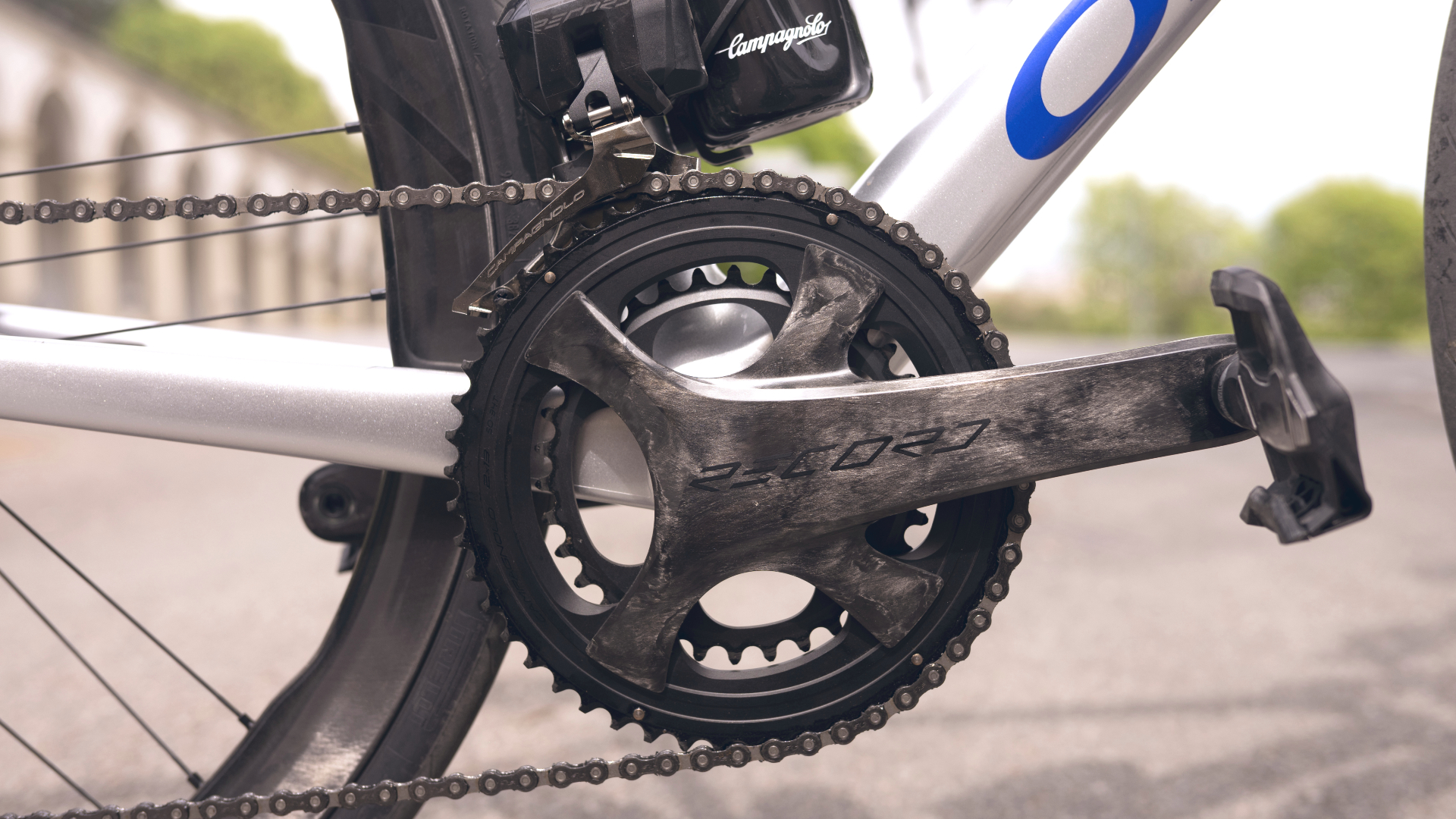
Campagnolo Is Back. The Tour Has Barely Noticed.
The great Italian component maker has a new 13-speed groupset, a cleaner story, and one lonely foothold at the Tour. That should make every cyclist wince, because romance does not keep a brand alive when mechanics cannot get parts by Friday.
On Wednesday 8 July 2026, Olav Kooij won the Tour de France’s first proper bunch sprint into Pau, the peloton got its expected dose of elbow-to-elbow nonsense, and the cycling internet did what it always does. It argued about lead-outs, GC calm, heat, crashes, and whether sprinters are genius assassins or just brave idiots with better quads.
But buried under the sprint noise is a smaller, sadder, more interesting story. The Tour de France, cycling’s biggest shop window, is now basically a two-party component state. Shimano and SRAM own the race. Campagnolo, the brand that once felt as essential to road cycling as espresso, wool jerseys and old blokes telling you your saddle is too low, is almost a guest in its own museum.
The most Italian thing at the Tour is now absence
This is not another lazy funeral notice for Campagnolo. Those have been written for years, usually by people who think anything without an app is dead. Campag has new product. Campag has engineering credibility. Campag has just launched Record 13 and Super Record 13 into a market that desperately needed the Italians to stop behaving like their only customer was a banker restoring a Colnago in Lake Como.
The new Record 13 is important because it suggests somebody in Vicenza has finally looked up from the polishing bench and noticed the year. The pricing is no longer pure jewellery-counter theatre. The shifting has been reported as fast. The extra sprocket gives the brand a headline number again. Most importantly, it feels like an attempt to make Campagnolo desirable rather than merely expensive.
Campagnolo’s problem is not that the new kit is bad. It is that modern cycling has stopped rewarding beautiful inconvenience.
At the 2026 Tour, the practical scoreboard is brutal. Campagnolo’s meaningful presence is Cofidis on LOOK bikes with Super Record 13 and Campagnolo wheels. One team. A ProTeam, not a WorldTour giant. Everyone else is living in the Shimano and SRAM duopoly, with Dura-Ace Di2 and Red AXS spread across the buses like they were issued at sign-on.
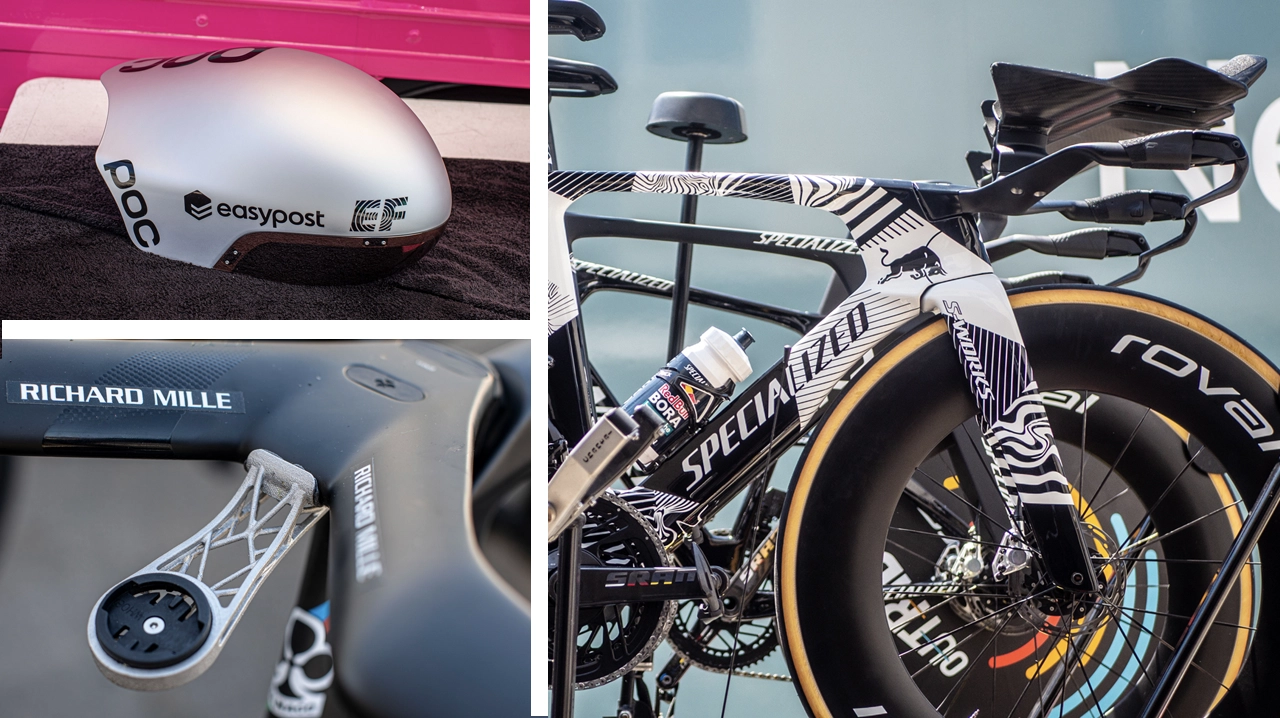
Shimano sells certainty. SRAM sells simplicity. Campagnolo sells feeling.
That sounds romantic until you are the mechanic who has to make a race bike perfect at 10pm in a hotel car park. Shimano wins because it is everywhere, and because every shop from Girona to Geelong knows how to make it behave. SRAM wins because wireless AXS turned the workshop into a cleaner, faster, less swear-heavy place, especially for bike brands trying to route hoses, wires and hope through fully integrated cockpits.
Campagnolo still sells feeling. The lever shape. The finish. The sense that a bike is not merely a performance appliance but a thing with manners. I get it. I have ridden enough Campag to know the pleasure is real. A good Campagnolo drivetrain has that particular crispness, not clinical like Shimano, not click-and-forget like SRAM, but tactile in a way that makes you shift twice just because it feels good.
The trouble is that feelings do not fill service drawers. Bearings, freehub bodies, chains, cassettes, brake pads, firmware habits, battery standards, warranty pathways, all the boring stuff cyclists pretend not to care about until a Sunday ride is ruined. In Australia, this matters more than it does in a wealthy European cycling pocket. If your derailleur eats itself in Melbourne, Brisbane, Adelaide or Hobart, you do not want a romance. You want the part before the weekend.
The UAE switch said the quiet part out loud
The symbolic wound is not Cofidis being Campagnolo’s lone Tour flag-bearer. It is UAE Team Emirates-XRG. Tadej Pogačar’s Colnago should be Campagnolo’s spiritual home. Slovenian monster, Italian frame, Italian history, the whole thing should look like an opera with a power meter. Instead, UAE are on Shimano, after earlier equipment changes that moved the team away from Campagnolo.
That should hurt. Not because Shimano is wrong for them. It obviously is not. If the best rider on earth and one of the most resourced teams in the sport decide their fastest, safest, cleanest option is Japanese electronics on an Italian superbike, the market hears the message. And the message is not poetic.
- The idea that Shimano is the default safe choice for serious road bikes.
- The idea that SRAM owns the clean modern build, especially on high-end race machines.
- The belief among shop mechanics that Campag is lovely until the customer needs a small part in a hurry.
- The used-bike buyer’s fear that a glorious Italian groupset could become an expensive compatibility puzzle.
- The loss of pro visibility, which still matters because cyclists pretend to be rational while buying whatever the Tour normalises.
The new 13-speed kit may be good. That is the cruellest part.
If Campagnolo had simply made rubbish, this would be easy. We could all shrug, blame nostalgia, and move on to arguing about hookless rims again. But Record 13 and Super Record 13 look like serious products. They address the absurd pricing problem. They give Campag a modern flagship. They put the brand back in the conversation.
Yet the Tour is telling us the conversation has changed. Groupsets are no longer just groupsets. They are ecosystems. They are OE deals. They are wheel compatibility, powermeter integration, app support, spare batteries, sponsorship politics, mechanic familiarity, dealer confidence and global distribution. The shift lever is now only the visible bit of an iceberg made of logistics.
This is where Campagnolo’s old magic becomes a liability. For decades, being a little apart was part of the charm. The rider who chose Campag was making a statement: I care about feel, history, craft, maybe even beauty. Fine. But in 2026, being apart can also mean being hard to spec, hard to stock and hard to justify to a customer who has already seen SRAM Red on a winning bike and Shimano Dura-Ace on half the dream builds in the café rack.
What this means for Australian riders
If you are buying a bike on Yellow Jersey, Campagnolo is not a red flag. Let’s not be stupid. A well-kept Campag-equipped road bike can be magnificent, especially if you actually like mechanical objects rather than just owning carbon appliances. But you should buy it with open eyes. Check cassette availability. Check chain pricing. Check brake spares. Ask whether your local shop smiles when you say Campagnolo or does that thin-lipped mechanic face that means you are about to fund someone’s therapy.
For sellers, the lesson is harsher. Do not list a Campag bike as if the badge alone adds a thousand dollars. The market is not 2008. The buyer is not paying for your memories of Cadel, Pantani or your uncle’s polished Record hubs. They are paying for a working bike in a market where Shimano and SRAM are easier to understand and easier to service.
And for Campagnolo? The path back is not another halo group for people who keep bikes in living rooms. It is trust. Mid-range product. Gravel credibility that does not feel like a late apology. E-road and e-gravel integration. Better stock. Better dealer confidence. More bikes in shops that normal riders can touch without a mortgage broker.
I want Campagnolo to survive, but not as a shrine
Cycling is better with Campagnolo in it. Not because every old story deserves a sequel, but because the sport needs more than two ways to build a great bike. Shimano can be brilliant and a bit bloodless. SRAM can be clever and occasionally too pleased with itself. Campagnolo, at its best, reminds road cycling that performance does not have to feel like consumer electronics.
But sentiment is not a strategy. The Tour de France is currently showing Campagnolo the bill for years of being too expensive, too narrow, too absent and too content to be adored by people who already adored it. One team at the Tour is not a comeback. It is a warning flare.
The new 13-speed kit might be the first genuinely sensible Campagnolo move in years. Good. Now comes the hard bit. Campagnolo has to stop asking cyclists to love it for what it was, and start giving mechanics, shops and riders reasons to trust it tomorrow morning.
Because the Tour has noticed many things this week: heat, chaos, Kooij’s kick, Pogačar’s calm, and the usual parade of prototype superbikes. What it has barely noticed is Campagnolo. For a brand that helped define the sound of road cycling, that silence is deafening.