
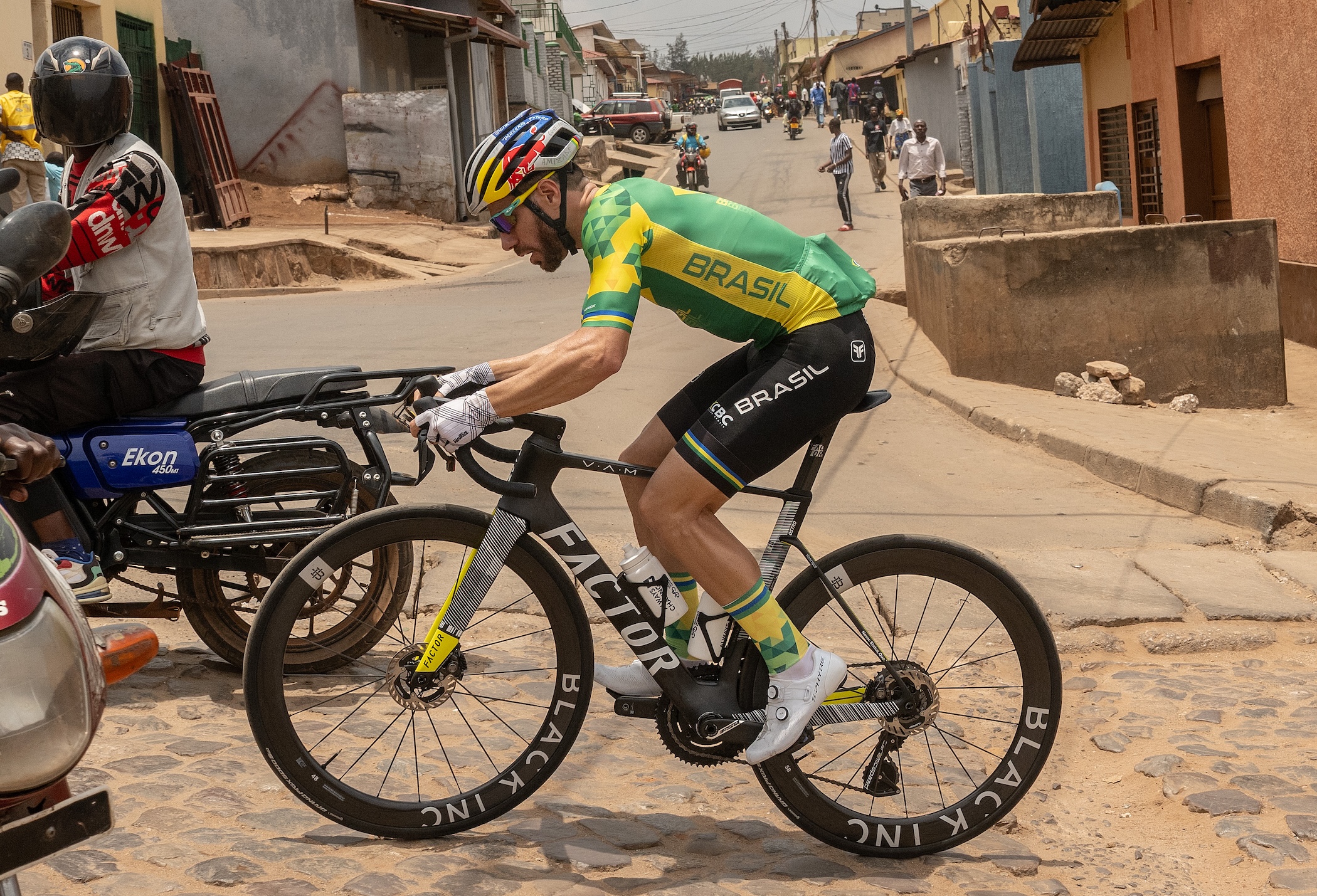
Avancini Is Coming To Nannup. Gravel’s Roadie Holiday Is Over.
Henrique Avancini signing on for Gravel Worlds in Western Australia is not a cute crossover story. It is the moment gravel has to admit the strongest weapon on dirt might not be a WorldTour engine, but a mountain biker with a roadie’s patience and a mongrel’s appetite for climbing.
Henrique Avancini being confirmed for the 2026 UCI Gravel World Championships in Nannup should make every roadie with a gravel side hustle sit up straighter. Not because one famous Brazilian is coming to Western Australia, but because his presence exposes the category’s most uncomfortable truth: gravel is not a retirement village for road pros, and it is not a marketing tent for 45 mm tyres. It is becoming the battleground between cycling’s disciplines, and the riders with the least sentimental baggage may be the ones best suited to win it.
The headline facts are tidy enough. Avancini, the two-time UCI Mountain Bike Marathon world champion from 2018 and 2023, has been confirmed on the elite men’s start list for Nannup. He won Gravel Brazil in March to qualify, then added the inaugural Brazilian gravel title in July. This is not an influencer booking a flight for content. This is a rider who has world titles, off-road instincts, road form, and the sort of engine that does not need a marshal pointing at every pothole.
This is not a novelty act
Cycling still has a bad habit of treating mountain bikers as technically gifted cousins who should be grateful when road cycling invites them indoors and offers them a chair. That is rubbish, and Avancini is exactly the rider to prove it. He has already won the Tour of the Gila overall this year, taken medals at Brazilian road nationals, and shown he can ride on tarmac without looking like a golden retriever on lino. But his real threat is not that he has learned road racing. It is that gravel has finally built a Worlds course where mountain-bike literacy is not decoration.
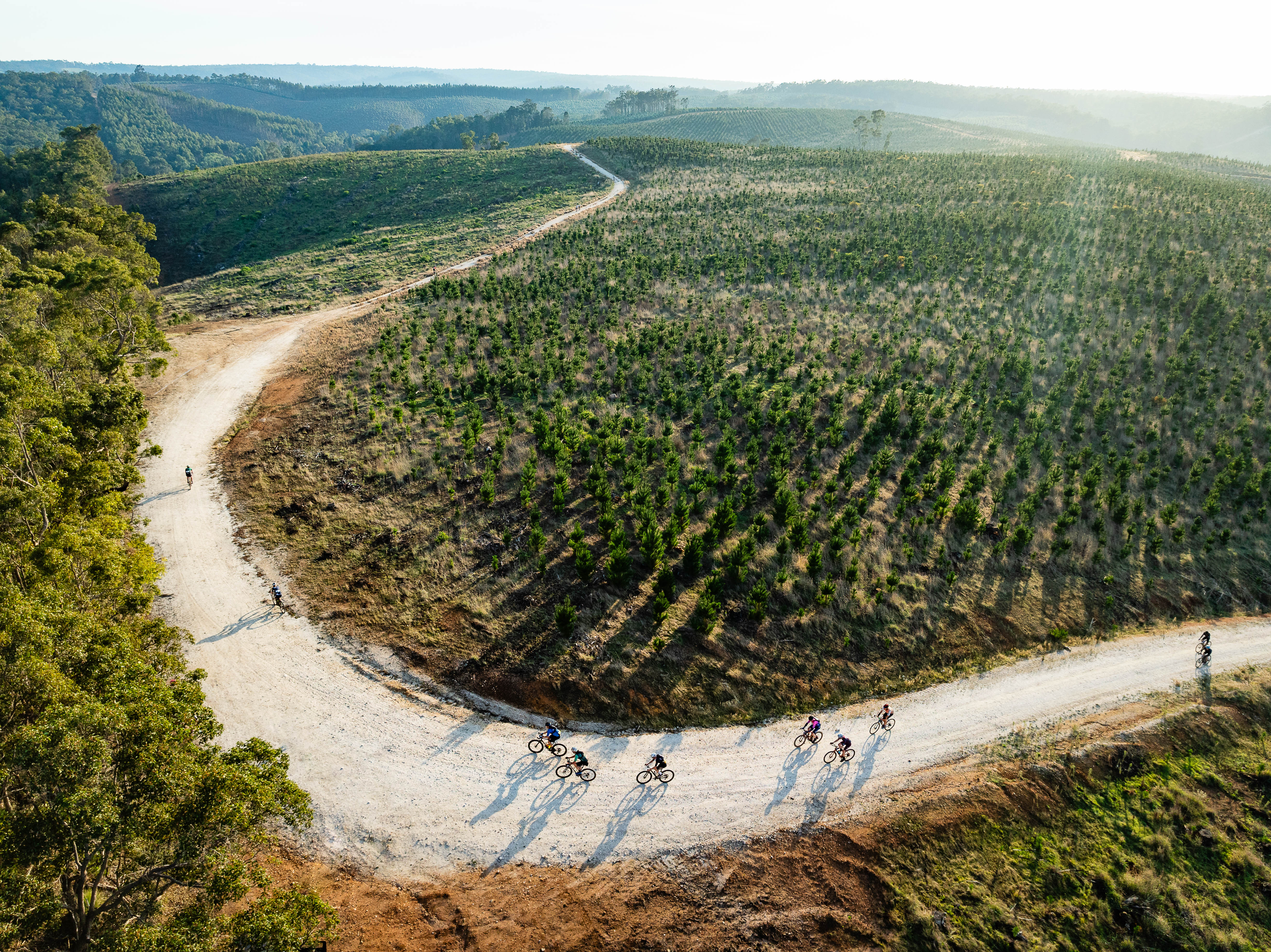
Nannup is not a bike path with a bit of tan dust sprinkled over it for broadcast texture. The elite men get 140.7 kilometres and 3,625 metres of climbing on Sunday, 11 October. The elite women race 123.1 kilometres and 3,100 metres on Saturday, 10 October. The organisers are promising a minimum of 80 percent gravel, a nine-kilometre paved start, repeated one-to-three-kilometre climbs, and a final 27-kilometre loop that drops riders back near town before punching them again. That is not a gravel fondo. That is a long argument with your tyre choice.
Road watts will matter. They just will not be enough.
The old gravel script was easy. Send a road pro with a monster threshold, put them on a bike with slightly fatter tyres, let the chaos thin out, then watch the best engine flatten the last hour. That still works on plenty of courses. It may even work in Nannup if the race is timid, but that is the point. The course is begging not to be timid. Wide gravel roads mean groups can form. Constant elevation means attrition. The final loop means anyone who has been bluffing handling, fuelling, gearing or tyre pressure will be found out in public.
Avancini is dangerous because he is not pure anything anymore. He is not merely an MTB legend moonlighting in gravel. He is not merely a road convert chasing a late-career arc. He is exactly the hybrid rider this format keeps claiming to celebrate but rarely rewards cleanly: efficient on the road, calm on dirt, hardened by marathon mountain biking, and probably less interested in gravel’s lifestyle theatre than in removing people from his wheel.
Gravel keeps saying it wants authenticity. Fine. Nannup is about to test whether authenticity means campfire vibes, or actually being able to ride a bike fast when the road stops behaving.
Australia should stop underselling this Worlds
The Australian angle here is bigger than one Brazilian passport stamp. Nannup is the first UCI Gravel World Championships held outside Europe, and it is happening in Western Australia, not in a convenient European cycling theme park where every second town has a bar named after a dead climber. That matters. The South West has the terrain, the isolation, the tourism hunger, and the cycling culture to make this feel distinct. If the UCI wants gravel to be global, it has to let places like Nannup be more than a postcard.
Local riders will not be props either. Tiffany Cromwell and Nicole Frain are among the early elite women confirmed, and the SEVEN Gravel Race has already put plenty of Australians through the same region’s climbing, forestry roads and pea-gravel nastiness. Anyone flying in and assuming this is a decorative holiday race because the start town is small deserves the mechanical they are probably going to get. WA gravel is not Belgian farm track cosplay. It is open, exposed, sometimes loose, and brutally honest about whether you can keep pressure on the pedals after three hours of being slapped around.
- Riders who can climb repeatedly without needing one grand Alpine set-piece.
- Bike handlers who can stay relaxed on loose, fast gravel instead of braking every corner into panic soup.
- Teams and privateers who choose tyres for the course, not for Instagram sidewall aesthetics.
- Racers who can fuel like adults, because 3,625 metres of climbing does not care about your heroic under-eating.
- Australians who know that regional gravel is not a niche. It is one of the best products cycling has.
There is also a small warning here for the industry. If riders like Avancini shape gravel’s sharp end, then the bikes need to stop pretending the category is just road with a dust filter. A Nannup-winning bike is not necessarily the skinniest, stiffest, most aero thing with just enough clearance to avoid embarrassment. It may need stability, gearing range, volume, sensible cockpit choices and wheels that can take punishment without turning every descent into a warranty claim. In other words, the winning bike might look a little less like a road bike that has discovered flannel.
The crossover era is getting serious
The best thing about Avancini coming to Nannup is that he complicates the race. Good. Gravel has spent too long enjoying the benefits of ambiguity. Is it road? Is it endurance? Is it off-road? Is it community? Is it pro sport? The answer has usually been whatever sells the most entries that week. But a proper Worlds cannot live forever on vibes. It needs courses with teeth, riders with different skill sets, and enough competitive tension that nobody can win by merely being famous in the neighbouring discipline.
Avancini may not win. Gravel Worlds are chaotic, equipment matters, positioning matters, travel matters, and October in Western Australia will not hand out rainbow jerseys for reputation. Petr Vakoč, Paul Voss and the road-heavy hard men will not arrive politely. The Australians will know what the surface is doing before the Europeans have finished arguing about tyre inserts. But Avancini changes the mood because he makes the race feel less like a roadie annex and more like the off-road world title gravel always claimed it wanted to be.
That is the column. Not that a mountain biker is coming to gravel. That is old news. The news is that Nannup might be the first Gravel Worlds where the course, the geography and the start list all agree on the same thing: if you want rainbow bands on dirt, you had better be more than a big FTP in beige kit. You had better be a complete cyclist.